

Maintenance tunnels are critical components in underground facilities, mining operations, and industrial installations. They provide secure access for equipment repair, pipeline inspection, and emergency interventions. Properly designed maintenance tunnels ensure operational efficiency, structural stability, and worker safety. This article explores their design, equipment, maintenance, and common issues.
Table of Contents
Understanding Maintenance Tunnels
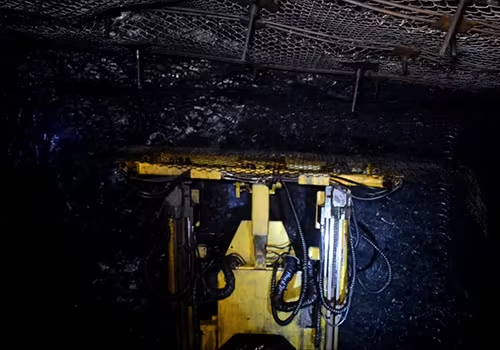
Definition and Purpose
A maintenance tunnel is an underground passage specifically built for maintenance tasks rather than regular transportation. Its main role is to provide safe access for inspections, repairs, and emergency responses in underground facilities.
Importance of Maintenance Tunnels
Maintenance tunnels protect workers from potential hazards, reduce downtime, and extend the lifespan of underground infrastructure. By ensuring continuous accessibility, they support safe and efficient operations.
Conceptual Types of Maintenance Tunnels
Maintenance tunnels can be categorized by their longevity and structural requirements. Temporary tunnels are quick to build and flexible, ideal for short-term projects or emergency use. Semi-permanent tunnels include adjustable supports and offer moderate durability for ongoing maintenance activities. Permanent tunnels, reinforced with concrete or pre-cast structures, provide long-term stability in critical areas.
Designing Maintenance Tunnels
Key Design Principles
Designing a maintenance tunnel focuses on safety, accessibility, and durability. Structural integrity, ventilation, and drainage are essential to ensure the tunnel remains functional under various conditions.
Structural Layout
The tunnel must allow safe movement for both personnel and equipment. Supports such as steel arches, reinforced concrete, or shotcrete are critical to maintaining stability. Proper ventilation and drainage prevent hazardous conditions and water accumulation.
Matching Design to Geology
The type of support and tunnel dimensions depend on the geological conditions. Softer rock requires stronger support, while more stable rock may allow lighter, cost-effective structures. Understanding geology ensures both safety and efficiency.
Equipment and Tools in Maintenance Tunnels
Support Systems
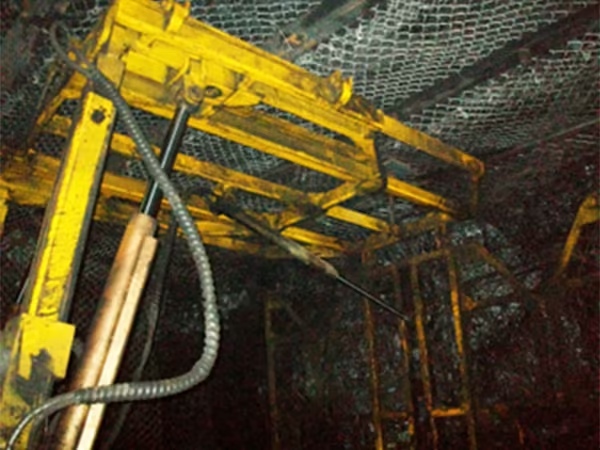
Steel and concrete supports provide long-term stability, while anchoring systems like rock bolts reinforce weaker areas. These supports maintain the tunnel’s structural integrity and reduce the risk of collapse.
Operational Tools
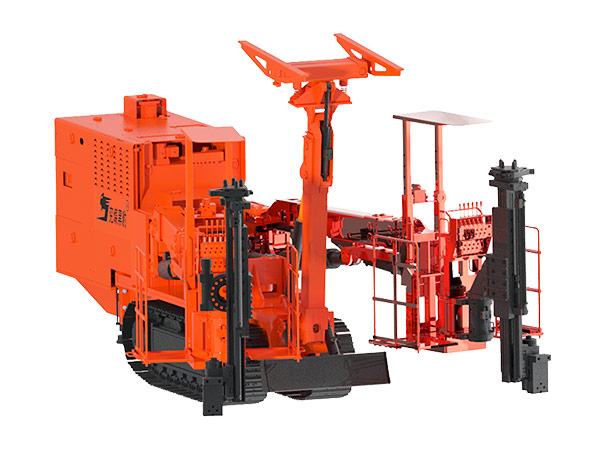
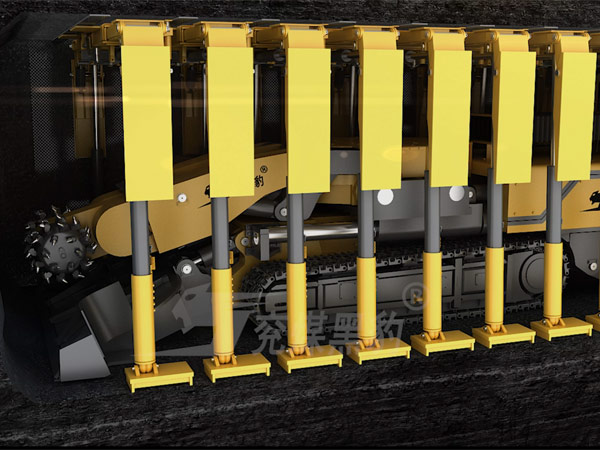
Maintenance tunnels require specialized equipment including drilling and excavation machines, lighting, and ventilation systems. Transport vehicles help move tools and materials efficiently through the tunnel.
Safety Devices
Smoke detectors, gas sensors, emergency lighting, and clearly marked escape routes are vital for worker safety. These devices prevent accidents and allow quick evacuation if needed.
Maintaining a Maintenance Tunnel
Inspection Procedures
Regular inspections evaluate the tunnel’s walls, supports, drainage, and environmental conditions. This proactive monitoring helps prevent potential hazards before they escalate.
Preventive Maintenance
Routine cleaning, repairing cracks, and reinforcing supports are critical to extending tunnel life. Preventive maintenance ensures the tunnel remains safe and operational without unexpected interruptions.
Concept Highlight: Preventive vs Corrective Maintenance
Preventive maintenance addresses issues before they become dangerous, while corrective maintenance deals with problems after they occur. A balanced approach reduces risks and ensures operational continuity.
Safety and Risk Management
Common Risks
Tunnels may face collapse, water infiltration, poor air quality, and equipment failure. Recognizing these risks allows managers to implement appropriate measures.
Risk Mitigation
Proper structural support, ventilation systems, and regular inspections significantly reduce risks. Training staff in safety protocols and emergency procedures is equally important.
Emergency Preparedness
Clear signage, escape routes, automated alarms, and rescue equipment ensure workers can safely evacuate in emergencies.
Applications and Case Studies
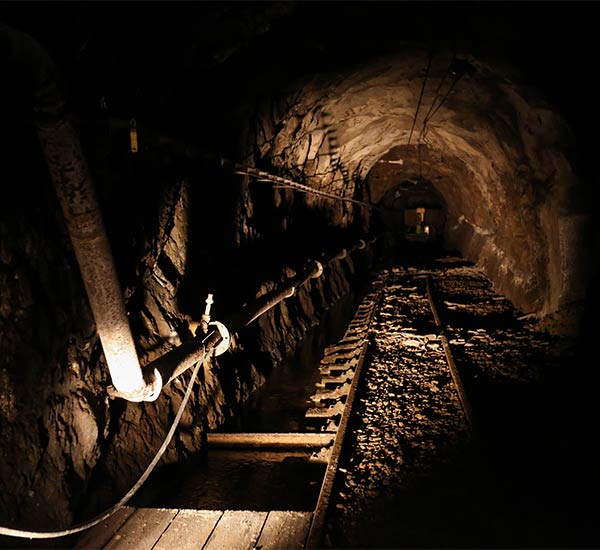
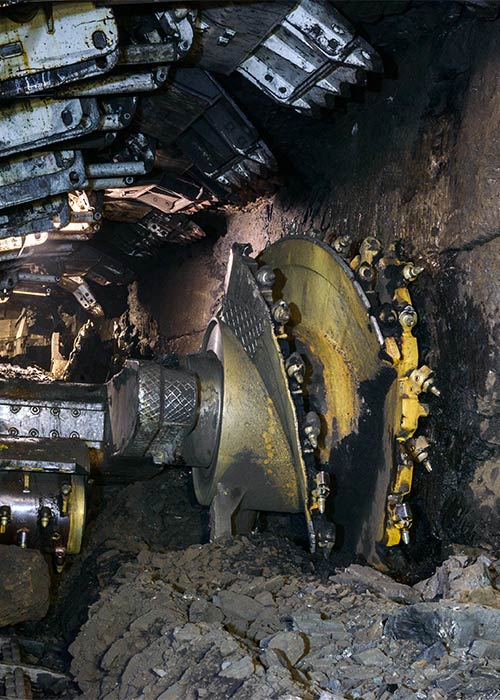
Mining Operations
In mines, maintenance tunnels allow safe inspection of machinery and emergency access to active areas. Their design adapts to changing geological conditions and equipment requirements.
Industrial Facilities
Factories and plants rely on maintenance tunnels to access pipelines, HVAC systems, and electrical conduits. Properly maintained tunnels ensure uninterrupted operations and prevent costly downtime.
Lessons Learned
Poor tunnel design or inadequate support can lead to frequent hazards. Early monitoring, timely maintenance, and suitable materials are key to operational safety.
Modern Trends in Maintenance Tunnel Technology
Smart Monitoring and Automation
Sensors and IoT devices now provide real-time monitoring of tunnel conditions, stress, and environmental factors, reducing the need for manual inspection.
Advanced Materials
New materials such as lightweight composites and corrosion-resistant alloys improve tunnel durability while reducing maintenance costs.
Modular and Flexible Tunnels
Prefabricated modules allow quick installation and adaptability for changing maintenance needs, offering both efficiency and safety.
Conclusion
Maintenance tunnels are vital for safe and efficient underground operations. Proper design, suitable support systems, regular maintenance, and modern technologies ensure these tunnels remain reliable over time. By understanding the principles, equipment, and safety practices, facility managers can prevent hazards, reduce downtime, and optimize operational performance.
FAQ
How often should a maintenance tunnel be inspected?
Inspection frequency depends on usage and operational load. Daily or weekly checks are common, with sensors automating monitoring in critical areas.
Can temporary tunnels replace permanent tunnels for long-term maintenance?
Temporary tunnels are suitable for short-term projects but lack the durability and stability of permanent tunnels.
How can water or flooding issues be managed in a tunnel?
Effective drainage systems, sump pumps, and waterproof linings prevent water accumulation and maintain safe conditions.
How to choose between steel supports and concrete lining?
Steel supports offer flexibility and easier installation, while concrete provides long-term stability. Geological conditions, load requirements, and maintenance capacity influence the choice.
Are modern technologies improving maintenance tunnel safety?
Yes, automation, smart sensors, and real-time monitoring enhance safety, reduce manual labor, and allow proactive maintenance.

Welcome to Shandong Yanmei Heibao Mining Equipment Co., Ltd.! Since 2002, we’ve been redefining mining with intelligent equipment, delivering safer, more efficient, and sustainable solutions.
📌 Follow us for updates and insights:
- Facebook: Shandong Yanmei Heibao
- YouTube: Shandong Yanmei Heibao Channel
Join us to explore innovation and excellence in mining—together!