

Underground mining presents unique safety challenges due to confined spaces, potential gas leaks, and unstable geological conditions. To protect miners and maintain operational efficiency, using the right underground mining safety equipment is essential. This guide explores the core safety systems, emerging technologies, and key considerations in modern mine safety.
Table of Contents
Understanding Underground Mining Safety Equipment
What Is Underground Mining Safety Equipment?
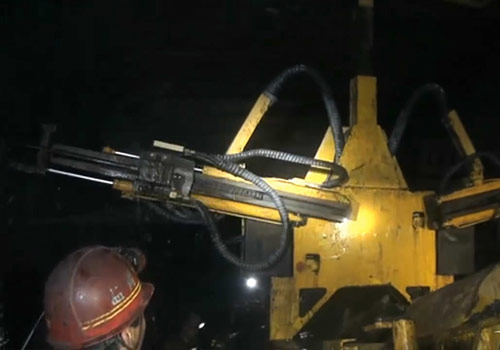
Underground mining safety equipment refers to all protective gear, monitoring systems, and structural tools designed to safeguard miners and stabilize the working environment.
It includes everything from personal protective equipment (PPE) to advanced ground support systems and communication tools.
Why Safety Equipment Matters
Safety equipment reduces the risks of accidents such as cave-ins, gas explosions, and machinery-related injuries.
Proper equipment not only protects miners but also improves productivity and compliance with safety regulations.
Types of Underground Mining Safety Equipment
Personal Protective Equipment (PPE)
PPE is the first line of defense for miners, providing individual protection against dust, falling debris, and toxic gases.
Common PPE includes helmets, respirators, gloves, boots, and protective suits.
Helmets and Headgear
Protects against rock falls and low ceilings. Some modern helmets include integrated lights and communication modules.
Respiratory Protection
Masks and self-rescuers prevent inhalation of dust or harmful gases, especially in poorly ventilated tunnels.
Protective Clothing and Footwear
Flame-resistant suits and anti-slip boots ensure protection in high-risk or wet areas.
Gas Detection and Monitoring Systems
Gas detection devices constantly measure air quality and alert workers to the presence of dangerous gases like methane or carbon monoxide.
Modern systems use wireless networks for real-time monitoring and data analysis.
Air Quality Sensors
Continuously monitor oxygen levels to ensure safe breathing conditions.
Dust and Temperature Sensors
Detect changes in dust concentration or heat, allowing quick ventilation adjustments.
Ground Support and Roof Control Equipment
The Importance of Ground Support Systems
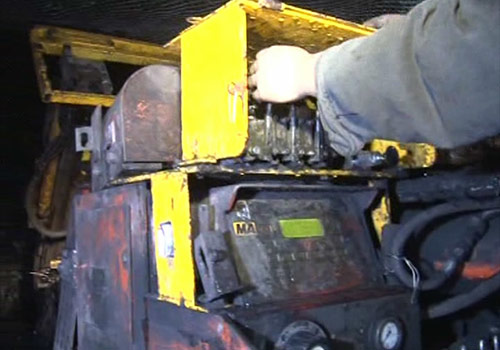
Ground support systems are vital underground mining safety equipment used to prevent tunnel collapse and maintain structural stability.
They help distribute stress evenly across rock strata, reducing the risk of roof falls.
Types of Ground Support Equipment
Rock Bolts and Anchors
Steel rods inserted into rock layers provide reinforcement, preventing deformation or separation.
Types include mechanical bolts, resin-grouted bolts, and friction bolts, each suited for different rock conditions.
Mesh and Shotcrete
- Wire Mesh: Covers loose rock and prevents small fragments from falling.
- Shotcrete: A sprayed concrete layer that seals surfaces and provides immediate support after excavation.
Steel Arches and Frames
Used in large tunnels or weak geological zones to provide structural support. Often combined with concrete or mesh for extra durability.
Cable Bolts
Long, flexible cables that strengthen deep mine sections where extended reinforcement is necessary.
Innovations in Roof Support Technology
Energy-Absorbing Bolts
Designed to yield under stress, these bolts absorb seismic energy and prevent sudden collapses.
Smart Monitoring Systems
IoT-enabled load cells and deformation sensors provide early warnings of stress buildup or potential failures.
Robotic Bolting Machines
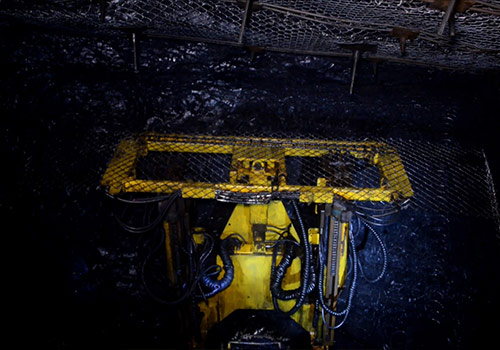
Automated installation systems improve safety and precision by minimizing manual work in hazardous zones.
Safety and Maintenance of Ground Support
- Regular inspections detect corrosion or deformation early.
- Load testing ensures the system maintains its designed strength.
- Damaged or worn components should be replaced immediately to preserve tunnel integrity.
Communication and Tracking Systems
Underground Wireless Networks
Reliable communication is crucial for coordination and emergency response.
Modern mines use Wi-Fi, RFID, and leaky feeder systems to ensure constant connectivity.
Real-Time Tracking
Personnel tracking systems monitor miner locations, enabling faster evacuation during emergencies.
Ventilation and Environmental Control
Ventilation Fans and Airflow Systems
These systems regulate air circulation to remove dust, gases, and heat from tunnels.
Good ventilation ensures safe oxygen levels and reduces explosion risks.
Climate and Dust Control
Humidity and dust control systems improve air quality and visibility, reducing respiratory hazards.
Training and Compliance in Mine Safety
Safety Training Programs
Continuous education ensures miners understand how to use underground mining safety equipment effectively.
Training includes emergency drills, equipment use, and hazard identification.
Regulatory Compliance
Safety practices must align with standards such as MSHA, OSHA, or ISO 45001 to avoid penalties and ensure workplace safety.
Comparison: Traditional vs Modern Mining Safety Equipment
| Category | Traditional Systems | Modern Systems |
|---|---|---|
| Monitoring | Manual gas checks | Real-time IoT sensors |
| Ground Support | Mechanical bolts only | Energy-absorbing smart bolts |
| Communication | Wired intercoms | Wireless digital networks |
| Inspection | Visual assessment | Automated condition tracking |
| Efficiency | Reactive | Predictive and preventive |
Future Trends in Underground Mining Safety
Smart and Connected Equipment
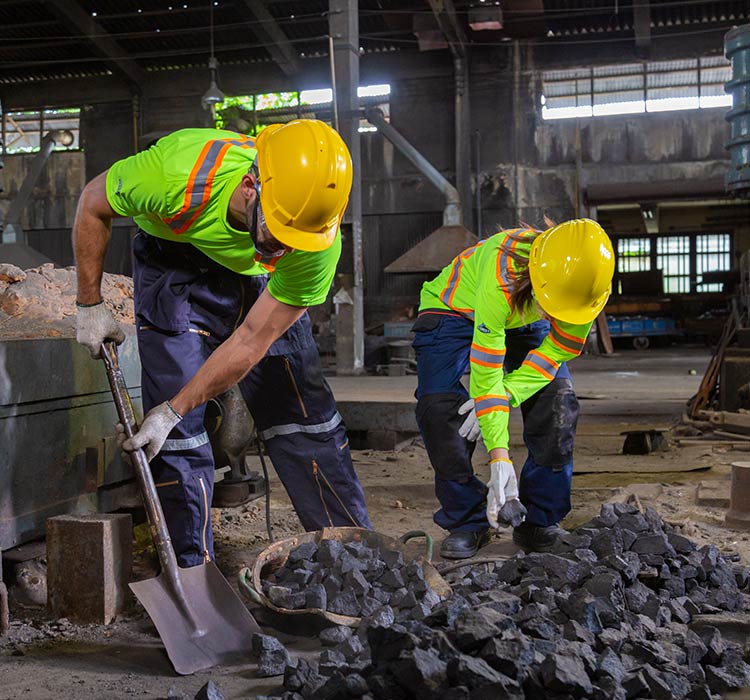
Integration of sensors, AI, and automation enables predictive maintenance and faster hazard response.
Autonomous Vehicles and Drones
Used to inspect unstable areas without exposing miners to danger.
Sustainable Safety Solutions
New materials and electric-powered systems reduce emissions and improve energy efficiency underground.
Conclusion
Underground mining safety equipment forms the backbone of modern mine operations. From ground support systems to advanced monitoring and communication tools, each component plays a vital role in protecting lives and improving efficiency.
Investing in innovative safety technology not only meets regulatory requirements but also ensures a sustainable and secure future for the mining industry.
FAQ
What safety equipment is essential for underground miners?
Essential equipment includes PPE, gas detectors, communication tools, and ground support systems that prevent collapses and ensure air quality.
How often should safety equipment be inspected or replaced?
Inspections should occur before each shift and comprehensive maintenance at least every six months. Damaged or corroded items must be replaced immediately.
How do gas detectors work underground?
They continuously monitor air composition and trigger alarms when harmful gases exceed safe levels, helping miners evacuate quickly.
What’s the difference between surface and underground mining safety equipment?
Surface equipment focuses on open-air hazards like dust and noise, while underground systems emphasize air quality, rock stability, and confined-space safety.
Are smart safety systems worth the cost?
Yes. Though initial costs are higher, smart systems reduce accidents, downtime, and long-term maintenance expenses.
How do communication systems work without regular signals underground?
They use specialized leaky feeder cables or mesh networks that transmit radio waves even through rock layers.

Welcome to Shandong Yanmei Heibao Mining Equipment Co., Ltd.! Since 2002, we’ve been redefining mining with intelligent equipment, delivering safer, more efficient, and sustainable solutions.
📌 Follow us for updates and insights:
- Facebook: Shandong Yanmei Heibao
- YouTube: Shandong Yanmei Heibao Channel
Join us to explore innovation and excellence in mining—together!