

Table of Contents
Introduction
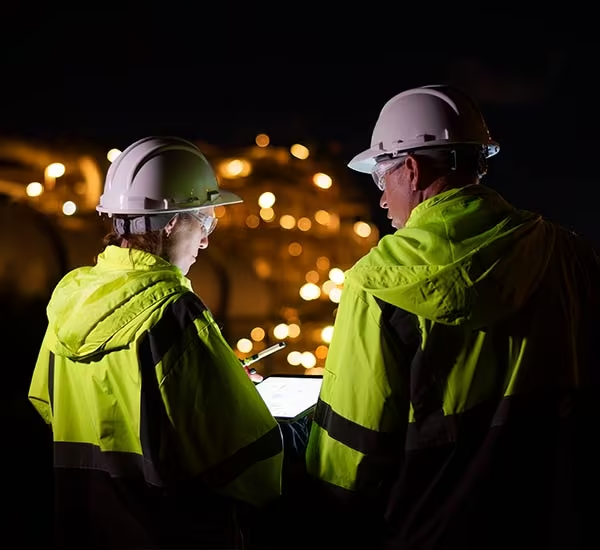
Mining policy forms the backbone of safe, sustainable, and legally compliant mining operations. It encompasses safety rules, emissions and environmental regulations, and international procurement frameworks. For equipment manufacturers, suppliers, mining operators and international buyers, understanding this policy landscape is essential to avoid legal risk, secure contracts, and optimize production.
In the following sections we explore three major pillars of mining policy: safety standards, emissions & environmental rules, and procurement & trade compliance, with real‑world examples and data‑driven comparisons to help decision‑making.
Mining Safety Standards: Protecting Workers & Ensuring Compliance
What Mining Safety Standards Cover
Mining safety standards define the legal and operational requirements for mines, machinery, and workforce management. These standards cover:
- Gas monitoring and ventilation systems to prevent explosions and ensure breathable air.
- Structural supports and ground control to prevent collapses.
- Mobile equipment certification for loaders, conveyors, and drilling machines.
- Worker training and emergency response protocols, including drills and first-aid readiness.
Adhering to these standards reduces accidents, injuries, fatalities, and operational disruptions, ensuring not only safety but also continuity in production.
Global Safety Frameworks
The Safety and Health in Mines Convention, 1995 (ILO C176) establishes an international baseline for miner safety. Member states are required to take “all practicable measures” to mitigate hazards. In addition, organizations such as the International Council on Mining & Metals (ICMM) promote zero-harm cultures, advanced reporting, and safety innovation in mining operations worldwide.
- Example: ICMM’s safety reporting framework encourages companies to monitor lost-time injuries and near misses, allowing proactive interventions before serious accidents occur.
Country-Specific Safety Policies
United States
- MSHA regulations require annual inspections, certified equipment, and mandatory accident reporting.
- Advanced standards include MINER Act requirements for emergency communication and refuge chambers in underground coal mines.
China
- The upcoming Coal Mine Safety Regulations (effective Feb 2026) introduces 56 new provisions and updates 353 existing articles, covering worker health, equipment safety, and emergency response.
- Special attention is given to methane monitoring, ventilation compliance, and mechanized equipment standards for coal mines.
Why Suppliers & Buyers Need to Care
Machines and equipment must comply with local safety standards where they operate. For example:
- A conveyor or scraper vehicle may meet EU safety rules but still require local certification in Asia or Africa.
- Non-compliance can result in shipment rejection, contract loss, fines, or even accidents, damaging both reputation and business continuity.
Case Study: Safety Compliance Leads to Contract Win
A U.S. coal mine equipment supplier had a loader rejected by MSHA due to missing certification. After retrofitting the machine and completing MSHA approval, the supplier secured a $1.2 million contract, demonstrating that adherence to mining safety standards directly impacts revenue and market trust.
Emissions & Environmental Standards in Mining Policy
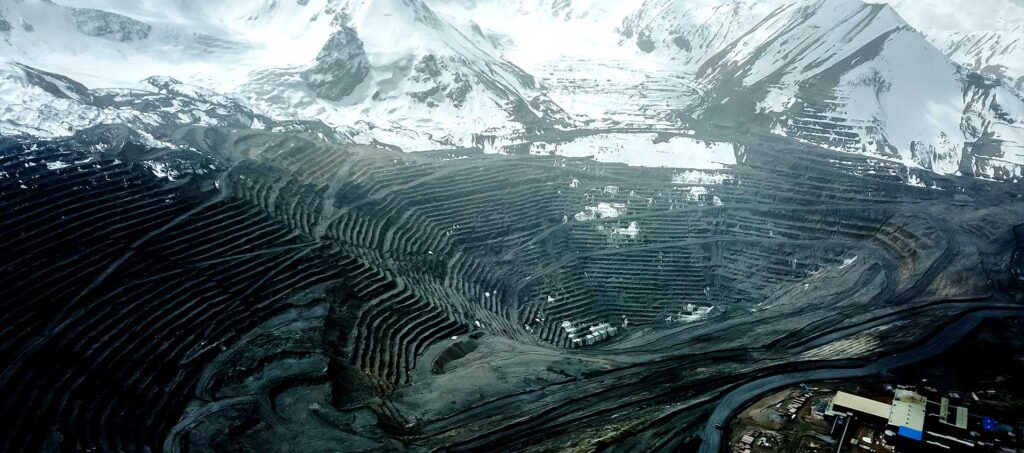
Why Emissions Regulations Are Critical
Mining produces dust, methane, wastewater, tailings, and land disturbance.
- Worker health: High dust exposure leads to respiratory diseases like silicosis.
- Community safety: Methane or particulate emissions can affect nearby communities.
- Environmental impact: Tailings, chemical discharge, and habitat destruction can lead to fines or operational suspension.
Equipment design and operational procedures must reflect these regulations to prevent both legal and environmental issues.
International Guidelines
- IFC Environmental, Health & Safety Guidelines for Mining provide benchmarks for waste management, dust control, water use, and site rehabilitation.
- Equipment must incorporate emission control technologies like dust collectors, methane capture systems, and wastewater treatment units.
Recent Regulatory Updates: China
China’s Coalbed Methane Emission Standard (GB 21522‑2024) now mandates:
- Methane ≥ 8% and extraction ≥ 10 m³/min must be collected or destroyed, not vented.
- Mines need continuous monitoring systems with documentation available for inspection.
Parameterized Comparison of Emissions Standards
| Region | Key Emission Focus | Example Rule | Implication for Equipment |
|---|---|---|---|
| China | Methane, gas drainage | New standard effective April 2025 (new mines), 2027 (existing) | Machines must include methane capture and monitoring systems |
| Canada | Effluent water quality | Proposed Coal Mining Effluent Regulations for selenium & suspended solids | Wastewater treatment and monitoring required |
| United States | Dust & silica exposure | Crystalline silica exposure limit halved in 2024 | Ventilation, dust collectors, PPE required for operators |
This comparison allows equipment suppliers and operators to align their machines and processes with the applicable mining policy, preventing delays and compliance risks.
Case Study: Emission Compliance Avoids Delay
A supplier shipped underground mining equipment to China but was held up due to non-compliant methane capture systems. After upgrading and documenting the system, the shipment was cleared, avoiding multi-week delays and additional costs.nd documentation of gas‑monitoring systems, clearance was granted, avoiding multi‑week delays and additional costs.
International Procurement & Equipment Compliance
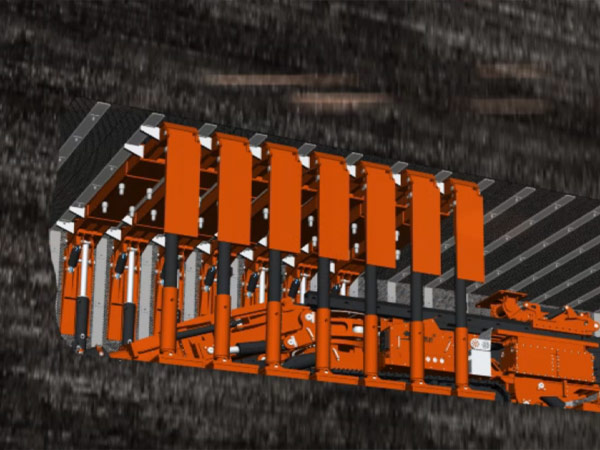
What Procurement Compliance Means in Mining Policy
Mining procurement compliance ensures equipment sourcing, certification, export/import rules, and operational deployment meet destination regulations. It includes:
- Trade controls (tariffs, import/export licenses, regional restrictions).
- Technical certification (safety and emission standards).
- Contract clauses covering liability, servicing, and regulatory updates.
Key Considerations for Buyers & Suppliers
- Ensure equipment meets destination safety and emission standards.
- Verify export/import licenses, tariffs, and regulatory documentation.
- Include contract clauses for regulatory updates, servicing, and non-compliance liability.
Case Study: International Equipment Supply
A European manufacturer supplying loaders to a Southeast Asian mine needed dual certification: mechanical safety and dust/emission compliance. Pre-verifying local mining policy avoided a shipping ban, and the company was awarded repeat contracts, proving proactive compliance is both operationally and financially advantageous.
Rule of Thumb for Compliance
- Map destination mining policy requirements before bidding.
- Buyers should demand complete compliance documentation.
- Suppliers should integrate safety, emissions, and regulatory updates into equipment design to future-proof operations.
Global Mining Policy Comparison: Safety, Emissions & Compliance Across Key Regions
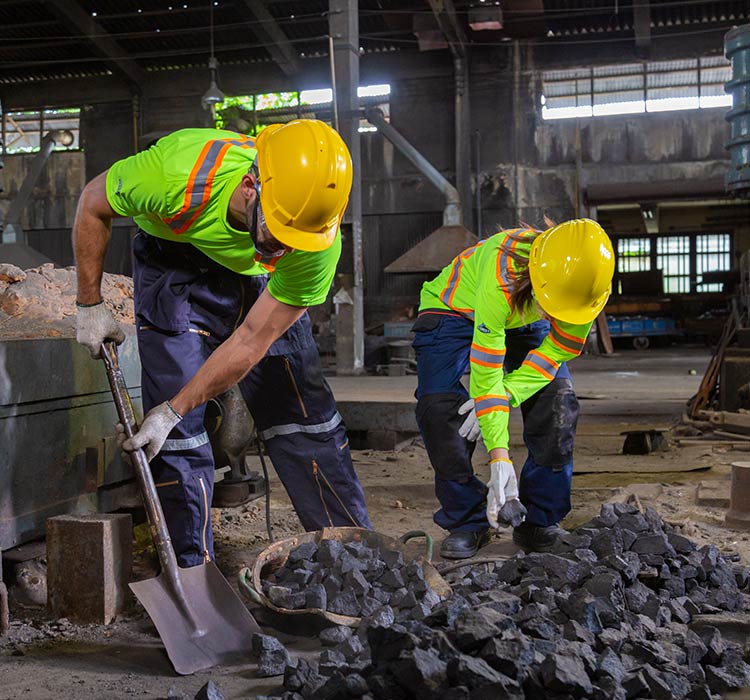
Mining operations face diverse regulations worldwide. Understanding each country’s mining policy helps equipment suppliers, operators, and international buyers align with local laws, reduce risk, and improve operational efficiency.
United States
- Focus: Worker safety, equipment certification, dust & silica exposure
- Key Policies: MSHA regulations, MINER Act, OSHA silica rules
- Requirements: Annual inspections, certified equipment, ventilation and dust control, emergency plans
- Case Study: A coal mine supplier retrofitted loaders to meet MSHA standards, securing a $1.2 million contract after initial rejection.
- Implication: Non-compliance can block shipment and prevent bidding on US mine contracts.
China
- Focus: Emissions control, methane capture, ecological restoration
- Key Policies: Coal Mine Safety Regulations (2026), GB 21522‑2024 Methane Standard, new ecological restoration national standards
- Requirements: Methane ≥8% must be captured/destroyed, continuous monitoring, green mine restoration plans
- Case Study: A supplier’s equipment was delayed due to non-compliant methane capture. Post-upgrade, it cleared inspection and avoided multi-week delivery delays.
- Implication: Equipment must integrate emissions monitoring, and restoration compliance is mandatory for operating licenses.
Canada
- Focus: Environmental discharge, water quality, tailings management
- Key Policies: Metal & Diamond Mining Effluent Regulations (MDMER), Coal Mining Effluent Regulations (proposed)
- Requirements: Wastewater treatment, selenium & suspended solids monitoring, tailings containment
- Case Study: A mining company retrofitted sediment filtration systems to comply with provincial effluent regulations, preventing fines and mine closure.
- Implication: Non-compliance affects water discharge permits, operational approvals, and environmental reporting obligations.
Australia
- Focus: Worker safety, environmental management, Aboriginal land compliance
- Key Policies: Work Health and Safety Act, Environmental Protection Authority (EPA) regulations, Native Title Act
- Requirements: Mining equipment must meet WHS machinery standards, dust & emissions control, environmental impact assessment, Indigenous consultation
- Case Study: An Australian gold mine supplier integrated automated dust suppression systems and consulted with local communities to gain environmental and indigenous approval, enabling faster permitting.
- Implication: Both safety and social compliance are critical for licensing and sustainable operations.
South Africa
- Focus: Mine safety, community impact, environmental management
- Key Policies: Mine Health and Safety Act, National Environmental Management Act, Carbon Tax Act
- Requirements: Hazard identification, methane & dust control, wastewater management, community consultation
- Case Study: A platinum mine supplier upgraded tailings and ventilation systems per MHSA standards, reducing occupational hazards and maintaining operational continuity.
- Implication: Equipment and operational compliance affects worker safety, production reliability, and international investment confidence.
Parameterized Comparison Table of Key Mining Policy Focus Areas
| Country | Primary Focus | Key Compliance Requirements | Equipment & Supplier Implications |
|---|---|---|---|
| USA | Safety & dust control | MSHA-certified machinery, ventilation, emergency procedures | Non-compliant machines cannot operate; affects contracts |
| China | Methane capture & ecological restoration | Methane ≥8% must be captured, restoration plans required | Equipment must integrate monitoring & restoration capabilities |
| Canada | Environmental discharge & water quality | Tailings containment, wastewater monitoring, MDMER | Equipment must handle effluent, reduce environmental risk |
| Australia | Safety, environmental & indigenous compliance | WHS compliance, dust control, environmental assessment | Must meet social & environmental standards for approvals |
| South Africa | Safety, environment & community | MHSA compliance, dust/methane control, wastewater management | Non-compliance risks fines, accidents, reputational loss |
Practical Recommendations for Global Compliance
- Pre-verify destination country policy: Align your machinery, documentation, and operational plans before bidding.
- Integrate emissions and safety features: Dust suppression, methane capture, tailings management, and emergency systems are increasingly mandatory.
- Engage local compliance experts: Laws vary by region and province; consulting specialists reduces regulatory risk.
- Maintain continuous monitoring & reporting: Many countries require real-time or periodic reporting on emissions and occupational hazards.
Global Case Study Highlights
- U.S.: Retrofitting loaders for MSHA compliance unlocked $1.2M contracts.
- China: Upgrading methane capture avoided multi-week shipment delays.
- Canada: Sediment filtration retrofits prevented fines and mine closure.
- Australia: Automated dust suppression and Indigenous consultation accelerated licensing.
- South Africa: Tailings & ventilation upgrades improved safety and production continuity.
Detailed Regional Mining Policy Spotlight
United States
U.S. mining policy places a major emphasis on worker safety and equipment certification within the regulatory framework. Under the Mine Safety and Health Administration (MSHA), mines are subject to routine inspections, equipment must meet approved standards, and accident reporting is mandatory.
For example, according to MSHA data, the overall injury rate in metal/non‑metal mines fell to 1.53 incidents per 100 full‑time equivalents in 2024.
Because of this, equipment suppliers looking to serve U.S. mines must ensure their machines have MSHA approval or meet equivalent standards, particularly for methane‑safe equipment in underground operations.
In addition, changes such as tighter silica dust exposure limits (aimed at reducing black lung disease) illustrate how evolving U.S. policy still demands upward compatibility for machines and components.
China
China’s mining policy is increasingly focused on emissions control, methane capture and ecological restoration of mine sites. In May 2024, China introduced a set of four national standards for the ecological restoration of mine sites in production, closing a regulatory gap in green mine management.
Moreover, draft legislation now mandates mining rights‑holders to prepare ecological restoration plans even before mining begins.
For equipment manufacturers, this means machines supplied to Chinese mines must not only operate safely, but also integrate features for emissions monitoring, mine‑land reclamation compatibility and adherence to restoration standards (such as GB/T 43935‑2024 for monitoring and evaluation of mine land reclamation)
Hence, when engaging in China’s market, it’s vital to map out local policy requirements by province and ensure both machines and after‑sales services support lifecycle restoration obligations.
Canada & Alberta
In Canada, mining policy places strong focus on environmental discharge, water quality and tailings management. The Metal and Diamond Mining Effluent Regulations (MDMER) mandate strict limits on deleterious substances discharged into waters frequented by fish.
Also under development are the Coal Mining Effluent Regulations which will apply to coal mining discharges, including selenium, nitrates and suspended solids.
For equipment suppliers, this means machinery delivered to Canadian mines must be designed and documented for effluent treatment, tailings containment and water discharge monitoring. Compliance with these regulations can be a differentiator in bidding and procurement.
In Alberta and other provinces, extra layers of regulation may apply (provincial environmental acts, species at risk laws) which further layer on top of federal mining‑policy obligations.
Conceptual Comparison: Policy Focus Areas
- USA: Safety & equipment certification
- China: Emissions control, methane capture & reclamation
- Canada: Environmental discharge & water quality
Understanding these differences helps equipment suppliers adapt product features, documentation and marketing to local mining policy demands.
Conclusion & Next Steps — Ensuring Your Equipment and Operations Are Fully Compliant
Mining policy compliance is not optional — it’s a key business driver. By aligning your equipment selection, manufacturing design and procurement strategy with safety, environmental and trade standards, you reduce risk, improve market access and build trust with clients.
For tailored advice, regulatory mapping, or to verify equipment against specific country requirements: Need specific guidance? Contact our regulatory experts today.
FAQ
Q1: What certifications must mining equipment meet when exported?
Equipment typically needs to comply with destination country safety and environmental regulations—such as MSHA certification in the U.S. or national safety marks in China.
Q2: How do emissions rules within mining policy affect machinery design?
Machines must account for methane capture, dust control or effluent standards depending on region. Non‑compliance may mean refusal of installation or fines.
Q3: Is there a big difference between mining policy enforcement in different regions?
Yes. For example, the U.S. has strong federal enforcement via MSHA inspections, whereas in China enforcement may differ by province and documentation completeness is critical.
Q4: Can older equipment comply with new mining policy changes?
Sometimes yes, but often no. For example, China’s updated methane standard (GB 21522‑2024) requires capture systems for mines emitting certain volumes—older equipment may need upgrades.
Q5: What should I check when procuring mining equipment internationally?
Ensure that: the machine meets destination country’s safety/emission standards, certifications are valid, trade/import documentation is complete, local servicing is assured and there are clauses in contract for policy changes.

Welcome to Shandong Yanmei Heibao Mining Equipment Co., Ltd.! Since 2002, we’ve been redefining mining with intelligent equipment, delivering safer, more efficient, and sustainable solutions.
📌 Follow us for updates and insights:
- Facebook: Shandong Yanmei Heibao
- YouTube: Shandong Yanmei Heibao Channel
Join us to explore innovation and excellence in mining—together!