

Understanding the differences between open-pit mining vs. underground mining is critical for mining operators, equipment suppliers, and investors. The right mining approach impacts efficiency, safety, cost, and environmental compliance, while equipment selection and workflow optimization ensure sustainable production.
Table of Contents
Introduction
Coal is a cornerstone of global energy and industrial production. Efficient extraction requires a clear understanding of mining workflows, from surface operations to deep seam access. By examining both open-pit and underground coal mining processes, stakeholders can optimize production, reduce operational risks, and comply with environmental and safety regulations.
Understanding Open-pit Coal Mining
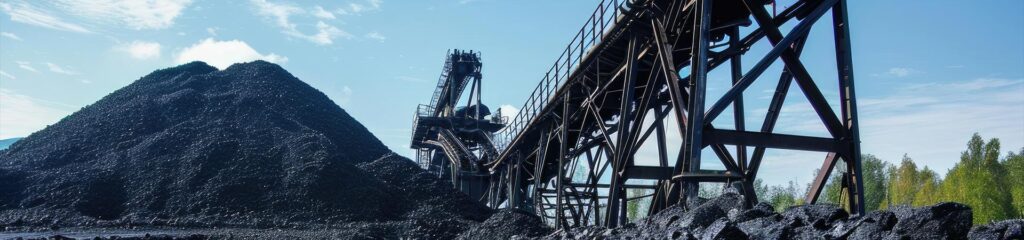
Open-pit mining is the extraction of coal from shallow deposits using surface excavation techniques. Mechanized equipment such as excavators (5–30 m³ buckets), haul trucks (50–300 t capacity), and drilling rigs allow high-volume extraction and streamlined workflow. This method is ideal for large, shallow seams and areas with minimal geological obstacles.
Case Example: The Powder River Basin, USA, employs fleets of 240 t haul trucks and 30 m³ excavators to extract over 20 million tons of coal annually. Proper slope design and equipment allocation reduce downtime by 15% compared to older operations.
Open-pit Mining Workflow
Site Preparation and Overburden Removal
Before coal extraction, topsoil and overlying rock (overburden) are removed. Excavators and bulldozers are used, and slope gradients are carefully designed to ensure safety and stability.
- Parameterization:
- Overburden thickness: 5–50 m depending on deposit
- Excavation volume: 50,000–200,000 m³/day
- Equipment allocation: 1 excavator per 4–5 haul trucks
Practical Insight: At the Hunter Valley mines in Australia, careful slope optimization reduced machinery wear by 20% while maintaining a daily overburden removal of ~150,000 m³.
Drilling and Controlled Blasting
Precision drilling and controlled blasting break coal and rock into transportable fragments. Blast design considers hole spacing, depth, and explosive type to minimize vibration and fragmentation variance.
- Parameterization:
- Drill hole diameter: 100–150 mm
- Explosive charge: 0.5–1.2 kg per meter of hole
- Fragmentation target: 0.3–1 m pieces
Case Insight: In the Powder River Basin, optimized blast patterns improved coal recovery by 5% and reduced equipment maintenance frequency by 12%.
Loading and Hauling
Wheel loaders and haul trucks move coal to stockpiles or processing plants. Automated fleet management systems help optimize routes, reduce idle time, and maintain continuous flow.
- Parameterization:
- Loader bucket size: 10–30 m³
- Haul distance: 1–5 km
- Daily haul volume: 10,000–20,000 t
Real-World Example: Using GPS-integrated truck fleets in the Hunter Valley mines increased hauling efficiency by 18%, reducing fuel consumption by 10%.
Coal Processing and Preparation
Crushing, screening, and sorting prepare coal for market delivery. Sensor-based systems monitor moisture, particle size, and throughput, ensuring consistent product quality.
- Parameterization:
- Crushing capacity: 1,000–5,000 t/h
- Moisture content target: 8–12%
- Particle size control: 10–50 mm
Case Study: At Powder River Basin, automated crushing systems reduced off-spec coal by 15%, ensuring higher consistency for power plant clients.
Understanding Underground Coal Mining

Underground mining accesses deep seams through tunnels and shafts. Advanced methods like longwall mining or room-and-pillar extraction allow high recovery rates while minimizing surface disturbance.
Key Insight: Underground mining is ideal for coal seams >50 m deep, where surface excavation is uneconomical or environmentally restricted.
Underground Mining Workflow
Tunnel Development and Reinforcement
Shafts, drifts, and galleries are excavated to reach coal seams. Hydraulic props, steel arches, and roof bolts stabilize tunnels to prevent collapses.
- Parameterization:
- Drift width: 4–6 m
- Roof support interval: 2–3 m
- Depth range: 50–400 m
Example: In Shanxi Longwall mines, China, hydraulic support placement every 2.5 m reduced roof collapse incidents by 30%.
Coal Extraction Techniques
Room-and-pillar mining: Coal is extracted in sections, leaving pillars for support. Recovery typically ranges 50–70%.
Longwall mining: Shearers cut coal along a long face (up to 400 m), hydraulic supports protect the roof, and conveyors transport coal to shafts. Recovery can reach 85–95%.
Case Insight: Longwall operations in Shanxi achieved a 92% recovery rate while minimizing surface impact. Continuous conveyor transport reduced labor requirements by 25%.
Material Handling and Transport
Shuttle cars, conveyors, and elevators transport coal to the surface. Automation reduces human exposure to hazards and maintains continuous production.
- Parameterization:
- Conveyor speed: 1–5 m/s
- Shuttle car capacity: 5–20 t
- Daily transport: 5,000–15,000 t
Practical Example: Integration of automated conveyors in Shanxi mines improved material flow efficiency by 20% while enhancing worker safety.
Safety and Environmental Management
Ventilation, gas monitoring, and emergency response systems are critical. Dust control, water drainage, and tailings management ensure compliance with regulations.
- Parameterization:
- Methane detection: 0.5% threshold alarms
- Ventilation airflow: 20–60 m³/s per drift
- Dust suppression: <3 mg/m³
Case Insight: Installation of real-time methane monitoring in Chinese underground mines reduced explosive hazards by 40% over two years.
Parameterized Comparison: Open-pit vs. Underground Mining
| Feature | Open-pit Mining | Underground Mining | Practical Implication |
|---|---|---|---|
| Coal Seam Depth | Shallow to moderate | Deep or steep | Determines method selection and equipment type |
| Production Rate | High (thousands of tons/day) | Moderate to high | Influences workforce and equipment capacity planning |
| Operational Cost | Lower | Higher | Budgeting and ROI considerations |
| Safety Risk | Moderate (machinery & slope hazards) | High (gas, collapse, dust) | Dictates safety systems and protocols |
| Environmental Impact | Significant surface disruption | Moderate surface impact | Land reclamation vs. controlled emissions |
| Equipment Mechanization | High | Medium to high | Determines machinery investment and supplier selection |
| Coal Recovery Rate | 70–85% | 85–95% | Influences total resource utilization |
This table enables mining operators, engineers, and equipment suppliers to evaluate workflows, costs, and equipment needs for different mining environments.
Real-World Case Studies
Open-pit Mining Example
Powder River Basin, USA:
- Mechanized trucks and shovels extract shallow coal seams efficiently.
- Annual production: ~20 million tons.
- Outcome: High production efficiency with moderate environmental mitigation through land reclamation.
Underground Mining Example
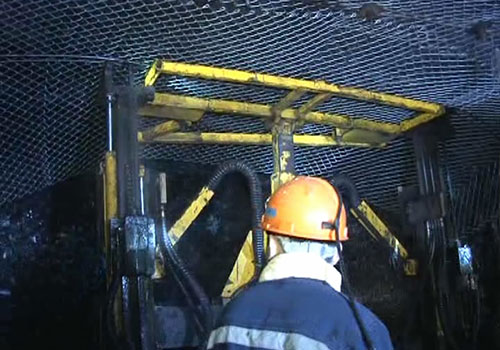
Shanxi Longwall Coal Mines, China:
- Deep coal seams accessed using longwall shearers and hydraulic supports.
- Recovery rate: ~92% while minimizing surface disruption.
- Outcome: Advanced monitoring systems and automated transport enhance safety and production continuity.
Advanced Techniques in Coal Mining
Automation and Remote Operation
Open-pit mining benefits from autonomous haul trucks, drone-based surveys, and sensor-equipped machinery. Underground operations increasingly rely on remote-controlled continuous miners and shearers to improve efficiency and reduce human exposure.
Energy and Emissions Optimization
Hybrid diesel-electric haul trucks reduce fuel consumption for open-pit operations. Underground ventilation optimization lowers power demand and improves air quality, directly impacting worker health and regulatory compliance.
Integrated Environmental Monitoring
Sensors track dust, methane, and water quality in real time, enabling operators to meet environmental standards and minimize ecological impact.
Safety and Environmental Considerations
Open-pit Mining Safety
Open-pit mining exposes workers to several operational hazards, including heavy machinery accidents, slope failures, and controlled blasting hazards. Each of these risks can significantly impact production and worker health if not managed properly.
- Slope Safety: Optimizing slope angles according to geological and soil conditions reduces the likelihood of landslides or overburden collapse. Typical slope angles range from 45° for shallow deposits to 30–35° for deeper layers depending on rock strength.
- Operational Training: Regular operator training for loaders, haul trucks, and drilling rigs is critical. Simulated emergency drills and standard operating procedures reduce accidents by 20–30%.
- Dust Control: Dust suppression systems, such as water sprays and fog cannons, help maintain particulate matter below 50 mg/m³, protecting workers and nearby communities.
Case Example: At the Hunter Valley open-pit operations, Australia, implementation of automated slope monitoring and real-time equipment tracking reduced machinery incidents by 25% over two years.
Underground Mining Safety
Underground mining presents unique challenges due to confined spaces and deep seam access. Methane explosions, roof collapses, flooding, and dust exposure are primary risks that must be proactively managed.
- Ventilation Systems: Continuous monitoring ensures airflow rates of 20–60 m³/s per drift, which dilutes methane concentration and maintains breathable air.
- Gas Detection: Real-time methane detection triggers alarms at concentrations as low as 0.5%, allowing immediate evacuation or intervention.
- Structural Support: Hydraulic props, steel arches, and roof bolts are installed at intervals of 2–3 m, ensuring stability of tunnels and galleries.
- Emergency Response: Underground mines are equipped with refuge chambers, emergency communication systems, and evacuation routes, reducing the fatality risk in unexpected events.
Case Insight: In Shanxi Longwall Mines, China, integration of automated ventilation and methane monitoring reduced explosive risk by 40% within two years while improving worker productivity.
Environmental Management
Environmental considerations are critical for both open-pit and underground operations. Efficient management mitigates ecological impacts and ensures regulatory compliance.
- Open-pit Mining: Requires land reclamation, dust control, and noise mitigation. For instance, reclamation plans often include topsoil replacement, native vegetation planting, and slope stabilization. Dust suppression techniques maintain air quality within 50 mg/m³ particulate levels. Noise control measures, including equipment enclosures and operational scheduling, minimize community disturbance.
- Underground Mining: Focuses on controlled wastewater discharge, tailings management, and minimal surface disruption. Automated water treatment plants and sedimentation systems ensure effluent meets local standards. Tailings are contained to prevent leakage and environmental contamination.
Example: A Canadian underground coal mine installed a closed-loop water recycling system, reducing fresh water use by 60% and fully complying with provincial effluent regulations.
International Mining Practices and Regulatory Considerations
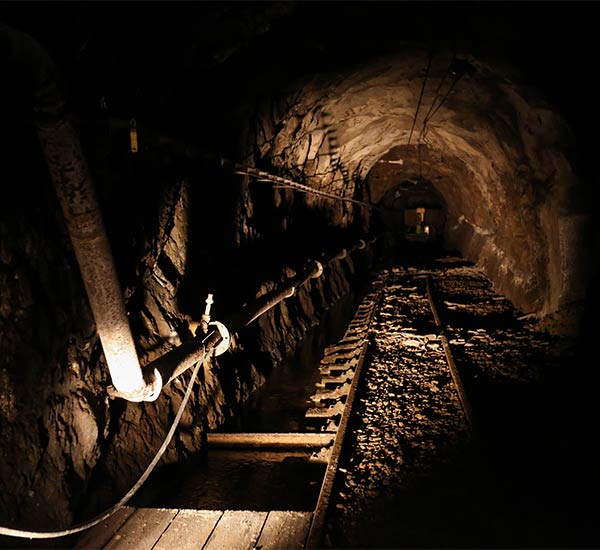
Mining safety and environmental compliance vary significantly across countries. Understanding local regulations ensures equipment, processes, and operational strategies meet legal and ethical standards.
United States
The Mine Safety and Health Administration (MSHA) enforces strict safety requirements, including equipment certification, ventilation standards, and annual inspections. Mines must comply with regulations such as 30 CFR Part 57, covering underground coal mine safety.
Practical Application: U.S. operators must document gas monitoring, machinery maintenance, and emergency drills to pass inspections, ensuring high compliance standards.
China
China’s updated Coal Mine Safety Regulations (2026) and GB 21522‑2024 Methane Emission Standards focus on methane capture, emissions control, and ecological restoration. Mines are required to capture methane ≥8% concentration or ≥10 m³/min flow instead of venting, reducing greenhouse gas impact.
Case Study: Shanxi longwall mines upgraded methane capture systems to comply with GB 21522‑2024, avoiding regulatory penalties and enhancing operational safety.
Canada
Canada’s Coal Mining Effluent Regulations under the Fisheries Act set limits for selenium, suspended solids, and other contaminants. Mines must monitor water quality continuously, and treatment systems are mandatory before discharge.
Example: Alberta coal operations installed automated effluent monitoring and water treatment systems, achieving 100% compliance with regional discharge standards.
Australia & South Africa
Mining approvals require integrated safety, environmental, and social compliance, including:
- Dust and emissions control
- Tailings and wastewater management
- Community consultation and social responsibility measures
Practical Insight: In Australia, mines with open-pit operations must submit detailed environmental impact statements (EIS) with dust, noise, and water management plans, influencing both equipment choice and workflow design.
Key Takeaways from Global Practices
- Customized Equipment Selection: Machines must meet local standards—methane capture in China, ventilation and dust control in the U.S., effluent management in Canada.
- Workflow Planning: Safety and environmental compliance are closely linked to process design, e.g., ventilation layout, haulage paths, and tailings containment.
- Continuous Monitoring: Sensors for gas, dust, water, and slope stability are now standard in modern operations, improving safety and reducing regulatory risk.
Insight: Operators who integrate international best practices, parameterized safety systems, and real-time environmental monitoring achieve both compliance and operational efficiency.
Conclusion
Selecting between open-pit mining vs. underground mining requires a careful balance of production efficiency, safety, recovery rate, cost, and environmental compliance. Understanding the workflow, equipment requirements, and regulatory obligations is crucial for operational success.
Need expert guidance on coal mining processes, equipment selection, or workflow optimization? Contact our mining engineers today for tailored solutions and professional advice.
FAQ
How do I choose the best mining method for a specific site?
Consider seam depth, deposit size, safety requirements, environmental constraints, and operational budget.
Which mining method is more cost-effective?
Open-pit typically offers lower costs and higher production rates, whereas underground mining involves higher initial investment but higher recovery efficiency for deep seams.
What equipment is critical for each method?
Open-pit requires excavators, haul trucks, and drilling rigs; underground relies on continuous miners, longwall shearers, conveyors, and hydraulic supports.
How can environmental impacts be minimized?
Implement land reclamation, dust suppression, tailings control, and emissions monitoring tailored to the specific mining method.
What safety measures are unique to underground mining?
Comprehensive ventilation, real-time gas monitoring, structural support, and emergency response systems are essential to protect workers.

Welcome to Shandong Yanmei Heibao Mining Equipment Co., Ltd.! Since 2002, we’ve been redefining mining with intelligent equipment, delivering safer, more efficient, and sustainable solutions.
📌 Follow us for updates and insights:
- Facebook: Shandong Yanmei Heibao
- YouTube: Shandong Yanmei Heibao Channel
Join us to explore innovation and excellence in mining—together!