

Table of Contents
Introduction to Tunnel Boring Machines (TBM) in Coal Mines
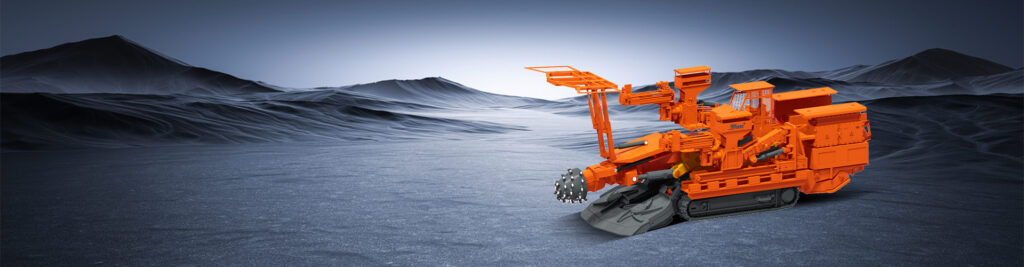
A tunnel boring machine (TBM) is an advanced excavation system designed for precision, safety, and efficiency. In underground coal mining, TBMs are transforming the way tunnels are built, replacing traditional drilling and blasting methods. They reduce the risk of collapse, improve air quality, and accelerate construction, particularly in long, narrow coal mine tunnels where worker safety and operational continuity are critical.
Understanding the various TBM types, operational principles, and their application in mining environments is essential for engineers and decision-makers looking to optimize tunnel construction projects.
What Is a Tunnel Boring Machine?
The Concept of a TBM
A tunnel boring machine is a cylindrical machine that mechanically excavates rock and soil while simultaneously installing structural support. Unlike conventional methods, TBMs allow continuous excavation with controlled debris removal, minimizing hazards in coal mine tunnels.
Importance of TBM in Coal Mines
TBMs are particularly valuable in coal mining due to:
- Enhanced safety: reducing human exposure to gas, dust, and potential collapses.
- Efficiency: enabling continuous excavation that accelerates project timelines.
- Precision: ensuring accurate alignment for haulage tunnels, ventilation shafts, and access routes.
By combining excavation and support in a single system, TBMs streamline tunnel construction and significantly reduce operational risks.
Types of TBMs for Coal Mine Tunnels
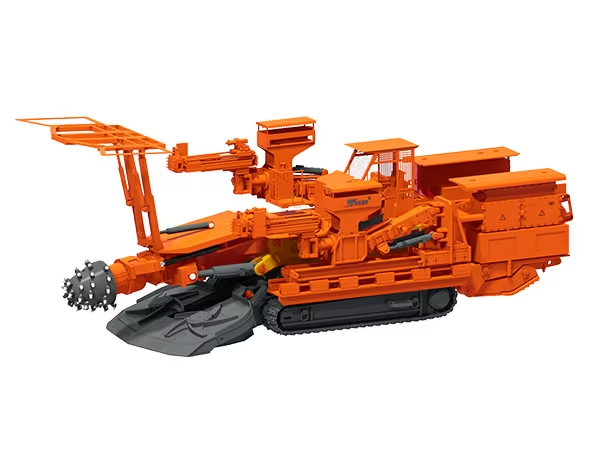
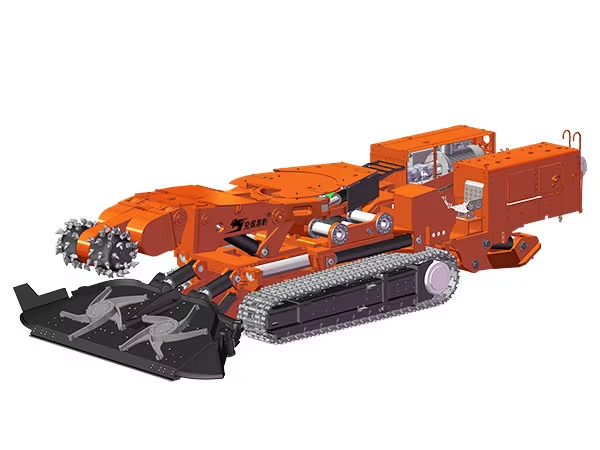
Soft Rock TBMs
Soft rock TBMs are designed for weak, fragmented, or water-bearing strata such as coal seams and shale layers. These machines typically use earth pressure balance (EPB) or slurry shield methods to maintain tunnel stability while excavating.
Hard Rock TBMs
Hard rock TBMs are suited for coal seams interspersed with strong rock layers like sandstone or basalt. Equipped with robust cutter heads and higher torque, they handle tougher strata while minimizing wear and tear.
Specialized Mining TBMs
Mining-specific TBMs are designed for unique underground coal mine conditions:
- Small-diameter TBMs are ideal for ventilation or service tunnels.
- Large-diameter TBMs accommodate main haulage tunnels or conveyor routes.
Parameterized Comparison of TBM Types
| TBM Type | Diameter Range | Typical Excavation Rate | Ideal Geology | Maintenance Frequency |
|---|---|---|---|---|
| Soft Rock EPB | 3–7 m | 5–10 m/day | Coal seams, shale, soft soil | Medium |
| Hard Rock Cutter | 3–9 m | 2–5 m/day | Interbedded hard rock layers | High |
| Small Mining TBM | 1.5–3 m | 3–7 m/day | Narrow tunnels, coal seams | Medium |
| Large Mining TBM | 7–10 m | 4–8 m/day | Main haulage tunnels | Medium-High |
This table allows engineers to quickly compare performance, suitability, and operational requirements across TBM types in coal mine applications.
How TBMs Operate in Coal Mine Tunnel Construction
Tunnel boring machines (TBMs) operate by combining excavation, debris removal, and tunnel support into a single, continuous process. Unlike traditional mining methods that rely on intermittent drilling and blasting, TBMs allow a controlled and automated approach, which is particularly beneficial in coal mine tunnels where safety and precision are critical. The operation of a TBM can be divided into several key components and workflow stages.
Main Components of a Coal Mine Tunnel Boring Machine
Cutter Head
The cutter head is the front-end rotating part of the TBM, equipped with specialized cutting tools designed for the specific geological conditions of the coal mine. In soft coal seams, disc cutters or bucket-type cutters are commonly used, while interbedded hard rock layers require robust, high-torque cutter heads. The cutter head not only breaks the material but also directs it toward the conveyor system for removal.
Shield
The shield is a cylindrical structure surrounding the TBM, providing structural stability to the tunnel face during excavation. In coal mines, where strata may be soft or fractured, the shield protects workers and equipment from collapses while maintaining alignment.
Conveyor System
Excavated material must be continuously removed to allow uninterrupted progress. The conveyor system transports debris from the cutter head to the rear of the tunnel, preventing blockages and maintaining operational efficiency. In some mining TBMs, hydraulic or chain conveyor systems are used to handle mixed coal-rock debris.
Support System
Immediately after excavation, the TBM installs structural support, such as pre-cast lining segments or sprayed concrete. This prevents tunnel collapse, reduces deformation, and ensures a safe working environment. Support installation is synchronized with excavation, making TBM operations continuous and efficient.
Excavation Process
Geological Survey & Tunnel Design
Before launching a TBM, engineers conduct a detailed geological survey, mapping coal seams, faults, and water tables. Understanding the geological profile helps determine cutter head type, shield design, and support system requirements, minimizing risks during excavation.
TBM Assembly & Launch
Transporting a TBM into a mine is a complex process. Components are often brought underground in sections and assembled in situ. Proper alignment at the start of the tunnel is crucial, as any deviation can lead to costly corrections later.
Continuous Excavation
Once launched, the TBM begins continuous excavation. The cutter head rotates to break rock and coal, while the conveyor system moves debris out. The shield provides stability, and monitoring sensors track alignment, pressure, and deformation. Continuous excavation ensures faster progress and safer conditions compared to stop-and-go drilling methods.
Support Installation
Immediately after excavation, the TBM installs tunnel support. In coal mines, pre-cast segments or sprayed concrete stabilize the tunnel and prevent collapses in weak strata. The synchronized process reduces downtime and maintains structural integrity throughout the tunnel length.
Real-World Example: Shanxi Coal Mine TBM Project
In 2022, a Shanxi coal mine deployed a medium-diameter EPB TBM to construct a 2.5 km haulage tunnel. The TBM achieved an average excavation rate of 6.5 meters per day in soft coal layers, a significant improvement over traditional drilling and blasting methods. By using a closed shield and integrated dust suppression, the project reduced worker exposure to coal dust by over 70%. This project demonstrates how proper TBM selection and workflow planning can enhance safety, efficiency, and tunnel quality in coal mine operations.
Advantages and Challenges of TBM Use in Coal Mining
Advantages
Safety Enhancement
TBMs reduce direct exposure to hazardous gases, unstable rock, and dust. Automated monitoring systems detect gas concentrations and structural changes in real time, allowing immediate corrective action.
Operational Efficiency
Unlike intermittent drilling and blasting, TBMs provide continuous excavation, reducing project duration. Synchronized excavation and support systems allow tunnels to be completed faster with fewer delays.
Precision Control
TBMs maintain consistent tunnel alignment and diameter, reducing material waste and preventing over-excavation. This precision is especially critical for haulage tunnels and ventilation shafts where exact dimensions impact operational efficiency.
Challenges
High Initial Investment
The upfront cost of a TBM, including transport, assembly, and commissioning, is high. Mining companies must balance initial investment with long-term operational savings.
Geological Complexity
Coal seams often contain interbedded rock layers, fault zones, and water-bearing strata. Varying hardness can accelerate cutter head wear and require careful geological monitoring during excavation.
Ventilation & Drainage Requirements
Underground tunnels require carefully designed ventilation and drainage systems to ensure air quality and prevent flooding. TBM operations must integrate with these systems, adding complexity to planning and execution.tensive, and less precise. For long, narrow coal mine tunnels, TBMs offer superior safety and productivity.
Safety and Environmental Measures
Gas Detection and Ventilation
Modern coal mine TBMs are equipped with integrated methane monitoring and automated ventilation systems. Maintaining proper air flow is critical to preventing explosions and ensuring worker safety.
Dust and Noise Management
TBM operation in coal mines can generate dust and noise. Sprays, vacuum systems, and shielded cabins mitigate these hazards and improve working conditions.
Structural Support and Monitoring
- Immediate tunnel lining or sprayed concrete prevents collapses.
- Sensors monitor tunnel deformation in real time, allowing proactive intervention.
Economic Considerations and TBM Selection
Cost Analysis
While TBMs have higher upfront costs, they reduce long-term operational risks, downtime, and accidents, often making them more cost-effective than traditional methods in long tunnels.
Choosing the Right TBM
Selecting a TBM requires evaluating tunnel diameter, geological conditions, excavation length, and maintenance needs. Soft rock vs hard rock selection ensures optimal cutter design and operational efficiency.
Case Example: Inner Mongolia Coal Mine
A large-diameter TBM was selected for a 5 km haulage tunnel in Inner Mongolia. The decision factored in hard interbedded rock layers and long-term operational costs. The TBM reduced project duration by 30% compared to conventional drilling and blasting.
Future Trends in Coal Mine TBM Technology
Automation and Remote Operation
Next-generation TBMs feature AI-driven monitoring for real-time excavation, alignment, and safety analysis, reducing human intervention in hazardous areas.
Larger and High-Precision Mining Tunnels
Advances in TBM design allow construction of larger haulage tunnels and complex underground networks with minimal environmental impact.
Green Mining Practices
Dust suppression, energy-efficient drives, and noise control are increasingly integrated into modern TBMs to support sustainable mining operations.
Conclusion
Tunnel boring machines are revolutionizing coal mine tunnel construction. They combine safety, efficiency, and precision, offering a modern alternative to drilling and blasting. Real-world cases demonstrate reduced construction time, improved worker safety, and precise tunnel alignment.
If your project requires guidance on TBM selection, tunneling strategies, or operational planning, contact our mining engineers today. We provide expert advice tailored to your coal mine geology and operational requirements.
FAQ
How fast can a Tunnel Boring Machine excavate a coal mine tunnel?
Excavation rates vary with geology. In soft coal seams, TBMs may advance 5–10 meters per day, while interbedded hard rock reduces speed to 2–5 meters per day.
Is it safe to use Tunnel Boring Machine in methane-rich coal seams?
Yes. TBMs integrate gas monitoring, ventilation, and safety interlocks. Following strict protocols minimizes explosion risks.
How often do Tunnel Boring Machine cutter heads need replacement?
Cutter head replacement depends on geology. Soft coal layers may allow several weeks of continuous operation, while harder or abrasive layers require more frequent changes.
Why choose Tunnel Boring Machine over traditional drilling and blasting?
TBMs offer continuous excavation, enhanced safety, precise tunnel dimensions, and reduced material waste. They are particularly beneficial in long haulage and ventilation tunnels.
Can Tunnel Boring Machine be reused for other tunnels?
Yes. TBMs can be refurbished and relocated to new projects, though transportation and setup require planning.

Welcome to Shandong Yanmei Heibao Mining Equipment Co., Ltd.! Since 2002, we’ve been redefining mining with intelligent equipment, delivering safer, more efficient, and sustainable solutions.
📌 Follow us for updates and insights:
- Facebook: Shandong Yanmei Heibao
- YouTube: Shandong Yanmei Heibao Channel
Join us to explore innovation and excellence in mining—together!