

Table of Contents
Introduction
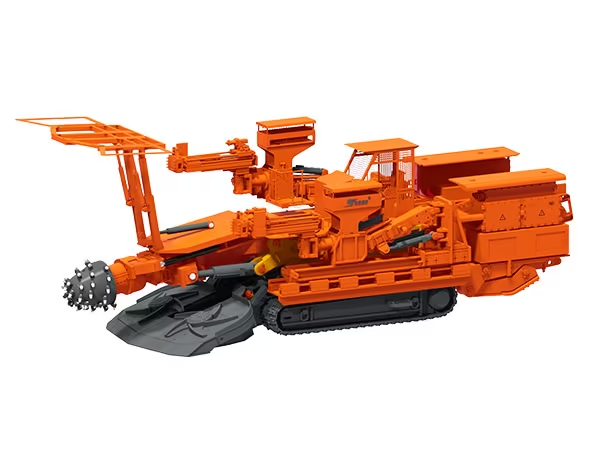
Roof bolters play a crucial role in underground coal mining, ensuring the safety and stability of mine tunnels. They are used to install roof support bolts, preventing collapses and protecting miners from rock falls. Despite their importance, roof bolters can encounter a variety of operational problems that affect productivity, safety, and maintenance costs.
In this article, we will explore six common problems faced by roof bolters in coal mines, along with practical solutions. Understanding these issues is essential for mining engineers, safety managers, and maintenance personnel who aim to optimize performance and minimize downtime.
Problem 1: Hydraulic System Failures in Roof Bolters
Hydraulic systems are the backbone of roof bolter functionality. These systems control the drill, boom, and feed mechanisms, enabling precise bolt installation. However, hydraulic failures are among the most frequent problems in coal mine roof bolters.
Causes of Hydraulic Failures
- Contaminated hydraulic fluid leading to clogging
- Worn or damaged seals
- Overheating due to continuous operation
- Inadequate maintenance and inspection
Solutions
- Regular hydraulic fluid replacement and filtration
- Periodic inspection and replacement of seals and hoses
- Installing cooling systems or scheduling breaks to prevent overheating
- Training operators in proper hydraulic usage
Proper attention to hydraulic system maintenance not only extends the lifespan of roof bolters but also reduces the risk of sudden equipment failures in underground mines.
Problem 2: Electrical Malfunctions in Roof Bolters
Electrical systems control the operation of roof bolters’ motors, lights, and sensors. Malfunctions in these systems can halt operations, cause delays, or even pose safety hazards.
Common Electrical Issues
- Short circuits and wiring damage
- Sensor failures affecting bolt placement
- Battery or power supply degradation
- Improper grounding in high-moisture environments
Solutions
- Routine electrical inspections and testing
- Ensuring proper insulation and grounding
- Timely replacement of batteries and worn electrical components
- Implementing surge protection systems
Regular monitoring of electrical systems ensures that roof bolters function reliably in challenging underground conditions, reducing downtime and maintenance costs.
Problem 3: Drill Bit Wear and Inefficiency
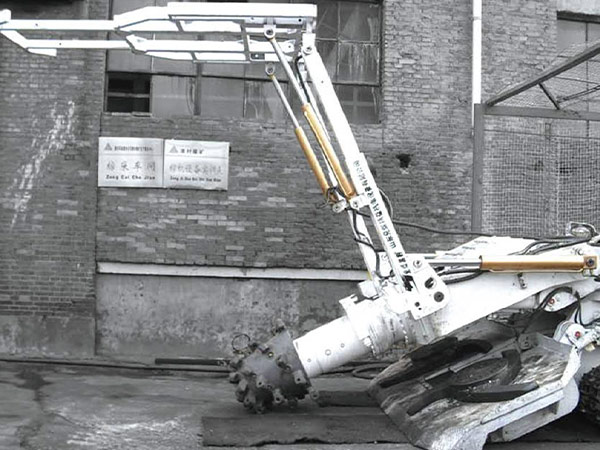
The drill bit is a critical component of a roof bolter. Wear or breakage can significantly reduce efficiency and accuracy, affecting bolt placement and overall mining safety.
Factors Contributing to Drill Bit Wear
- High rock density and abrasive coal seams
- Prolonged drilling without rotation or lubrication
- Use of low-quality drill bits
- Incorrect feed pressure during operation
Solutions
- Using high-quality, wear-resistant drill bits
- Implementing scheduled bit rotation and lubrication
- Adjusting feed pressure according to geological conditions
- Training operators in proper drilling techniques
Ensuring the drill bit is properly maintained not only improves efficiency but also prolongs the service life of other components, such as the hydraulic system and drive motors.
Problem 4: Boom Misalignment and Mechanical Issues
The boom of a roof bolter positions the drill and support arm. Misalignment or mechanical faults can reduce operational precision and increase the risk of accidents.
Causes of Boom Problems
- Loose bolts or pivot points
- Wear in bearings and joints
- Excessive vibration during operation
- Inadequate operator training
Solutions
- Regular inspection and tightening of bolts and pivot points
- Replacing worn bearings and mechanical components
- Installing vibration dampening systems
- Providing operator training for precise boom control
Maintaining boom alignment ensures that bolts are installed accurately, which is essential for maintaining tunnel roof stability in coal mines.
Problem 5: Conveyor and Material Handling Problems
Roof bolters often include conveyors or material handling systems to transport bolts and other components. Issues in this subsystem can disrupt workflow and reduce efficiency.
Common Conveyor Problems
- Belt slippage or misalignment
- Debris accumulation in conveyors
- Motor or drive failures
- Inadequate lubrication of moving parts
Solutions
- Routine belt alignment and tension adjustments
- Cleaning debris from conveyors regularly
- Scheduled motor and drive maintenance
- Lubrication and inspection of all moving components
Efficient material handling is critical in underground mining, where delays can have cascading effects on production and safety.
Problem 6: Safety and Operator Errors
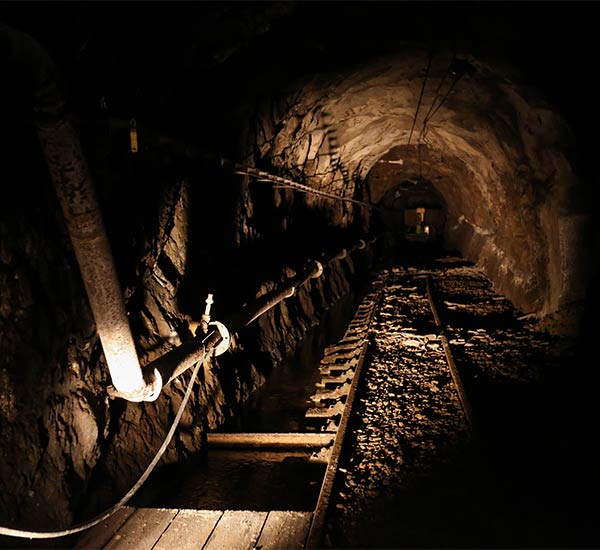
Human factors remain one of the most significant causes of roof bolter problems. Operator errors, fatigue, or lack of training can lead to equipment damage or safety incidents.
Common Operator Errors
- Incorrect bolt placement
- Overloading or improper operation
- Neglecting routine maintenance
- Ignoring safety protocols
Solutions
- Comprehensive operator training programs
- Clear operation manuals and SOPs
- Scheduling breaks to reduce fatigue
- Safety monitoring and enforcement
Addressing human factors ensures that roof bolters operate effectively and safely, minimizing risks to personnel and equipment.
Comparative Analysis of Common Roof Bolter Problems
| Problem Category | Frequency | Impact on Operation | Recommended Solution |
|---|---|---|---|
| Hydraulic Failures | High | Critical | Regular fluid checks, seal replacement |
| Electrical Malfunctions | Medium | High | Routine inspections, surge protection |
| Drill Bit Wear | High | Medium | High-quality bits, proper lubrication |
| Boom Misalignment | Medium | High | Tighten bolts, replace worn bearings |
| Conveyor Issues | Low | Medium | Clean debris, maintain drives |
| Operator Errors | High | High | Training, SOPs, fatigue management |
The table highlights the relative frequency and impact of common roof bolter problems in coal mines, along with actionable solutions. Regular monitoring and proactive maintenance can significantly reduce operational disruptions.
Conclusion
Roof bolters are indispensable for maintaining safety and efficiency in underground coal mining. Understanding the common problems they face—from hydraulic failures to operator errors—and implementing targeted solutions ensures long-term reliability. Proactive maintenance, operator training, and modernized equipment upgrades can prevent downtime, reduce costs, and improve mining safety.
Mining operations that adopt a systematic approach to roof bolter maintenance and problem-solving are better positioned to enhance productivity, protect workers, and extend the lifespan of their machinery.
FAQ
Q1: How often should roof bolter hydraulic systems be checked?
A1: Hydraulic systems should be inspected at least weekly, with fluid replacement and seal checks performed according to manufacturer guidelines.
Q2: Can drill bit wear affect other components of the roof bolter?
A2: Yes. Worn drill bits increase strain on the hydraulic system and drive motors, reducing overall equipment lifespan.
Q3: What training is recommended for roof bolter operators?
A3: Operators should receive comprehensive training on safe operation, maintenance procedures, and troubleshooting common issues.
Q4: How can coal mines reduce electrical malfunctions in roof bolters?
A4: Regular inspections, proper grounding, surge protection, and timely component replacement help reduce electrical failures.
Q5: Are there modern technologies that prevent common roof bolter problems?
A5: Automation, sensors, and predictive maintenance technologies can monitor equipment performance in real time and prevent many operational issues.
Welcome to Shandong Yanmei Heibao Mining Equipment Co., Ltd.! Since 2002, we’ve been redefining mining with intelligent equipment, delivering safer, more efficient, and sustainable solutions.
📌 Follow us for updates and insights:
- Facebook: Shandong Yanmei Heibao
- YouTube: Shandong Yanmei Heibao Channel
Join us to explore innovation and excellence in mining—together!