

Underground mining is inherently hazardous — among the most dangerous activities is operating a roof bolting machine. According to a 2004–2013 study of U.S. mines, operators of roof bolters accounted for the highest number of machinery‑related injuries at underground coal mines.
From 2004 to 2013, there were 16 fatalities and 3,411 nonfatal lost-time injuries associated with roof bolter operation, resulting in over 213,000 lost work days — an average of ~90 days lost per injury.
Given such risk — combined with the critical role roof bolters play in stabilizing mined-out areas — any mechanical, hydraulic, electrical, or dust‑control issues not only threaten safety, but can seriously impact productivity, equipment lifespan, and compliance with roof-control regulations. This article takes you through these problems, explains their mechanisms, compares alternatives, and offers a structured roadmap for maintenance and troubleshooting.
Table of Contents
Key Points of This Blog
- Why roof bolter issues are critical for safety and productivity in underground mining.
- Common mechanical, hydraulic, structural, electrical and dust‑control problems in mine roof bolters.
- Conceptual breakdown of key components and system types in roof bolters.
- Comparison of maintenance philosophies and design choices to guide decision‑making.
- Best practices and preventive maintenance protocols based on industry standards and research.
- Data‑driven insights into injury risks, dust exposure hazards, and equipment reliability.
- Practical tips to improve uptime, safety, and compliance.
- Frequently Asked Questions (FAQ) for real‑world troubleshooting and decision support.
Common Mechanical & Hydraulic Issues in Mine Roof Bolters
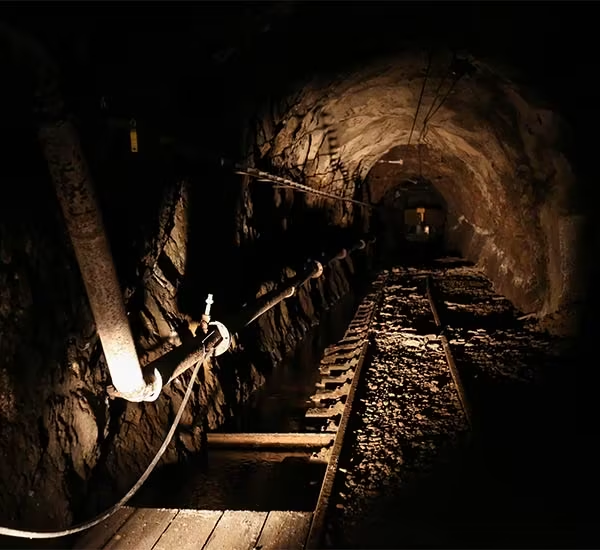
Hydraulic System Failures and Their Impact
Symptoms of Hydraulic Problems
- Slow or jerky boom/arm motions
- Inability to retract or extend boom smoothly
- Uneven drilling pressure or inconsistent drilling speed
Typical Causes
- Low hydraulic fluid levels
- Leaks or seepage in hoses or seals
- Contaminated or degraded hydraulic fluid
- Using hydraulic fluid with incorrect viscosity for ambient temperature
Hydraulics provide the torque and force required for drilling and bolt installation. A weak hydraulic system can result in under‑torqued bolts, misaligned anchor points, or failure to set bolts fully — compromising roof support integrity.
Recommended Hydraulic Maintenance Practices
- Regularly check hydraulic fluid levels and quality; always use the fluid grade recommended by the equipment manufacturer.
- Inspect hoses, fittings, and seals frequently, especially around high‑pressure zones; replace worn or degraded components promptly.
- Prevent contamination (water ingress, dust, particulates) and replace hydraulic fluid at scheduled intervals.
Drill Head, Feed Mechanism, and Structural Component Failures
Drill Head & Feed Mechanism Issues
- Symptoms: unstable drilling, bit wobble, slow penetration, rapid bit wear.
- Causes: insufficient lubrication, worn feed tracks or feed mechanism parts, loose or misaligned components.
- Mitigations: regular lubrication; periodic inspection of feed tracks, guide rails, and bearings; timely replacement of worn parts.
Structural Wear: Frame, Boom, Mounting Points
Mining is a harsh environment, with constant vibration and heavy loads. Over time, metal fatigue can cause frame or boom cracks, weld seam failures, or loosening of critical joints.
According to a safety alert by the Mine Safety and Health Administration (MSHA), older bolter machines with hydraulic‑cylinder canopy attachments are particularly vulnerable: if the retaining bolt or nut at the cylinder‑rod top loosens, the canopy can unexpectedly drop, posing a severe injury (or fatality) risk.
Best practice: inspect and torque the retaining bolt/hex nut weekly (e.g., to 150 ft‑lbs), especially on older machines. Use locking compounds (e.g. thread‑locker) and dust‑prevention caps if available.
Regular structural inspections of boom, mast, chassis, welds, joints, and mounting points are essential — ideally at daily, weekly, monthly, and longer intervals depending on workload and machine age.
Electrical, Control System & Dust Control Problems
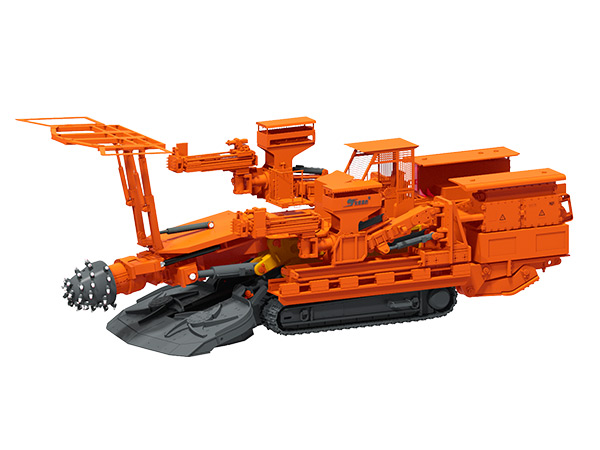
Control Panels, Sensors, and Electrical Failures
As roof bolters become more automated, electrical and electronic systems (sensors, control panels, automated functions) are increasingly common — but they also introduce new failure modes:
- Faulty wiring, loose connectors, or moisture ingress
- Sensor malfunction or miscalibration
- Software/firmware glitches
- Unexpected error codes or system lock‑ups, halting operation
These failures can disable automatic functions, cause erroneous readings, or prevent safe operation. Maintaining clean, dry wiring, properly sealed connectors, regular sensor calibration, and firmware updates are key to reducing downtime.
Dust Generation & Respiratory Hazards — A Sometimes Overlooked, But Critical Issue
The drilling process in roof bolting generates respirable dust, often containing crystalline silica. The National Institute for Occupational Safety and Health (NIOSH) identifies roof bolting as a major source of dust exposure in underground coal mines.
Excess dust exposure may result from drilling, poor maintenance of dust‑collector systems, cleaning dust boxes improperly, or working downwind from continuous miners.
If dust‑collector filters leak or are clogged, or if exhaust systems allow bypass, respirable dust can re‑enter the breathing zone. Studies have measured significantly elevated dust levels during cleaning of dry‑box dust collectors.
Best Dust-Control Practices
- Use appropriately designed drill bits (e.g., “dust‑hog” bits with air‑inlet ports) rather than older shank‑type bits. This reduces dust generation by improving cutting efficiency.
- Replace dust‑collector filters rather than “knocking or tapping off” dust — filter reuse contributes to respirable dust leaks.
- Maintain airtight seals on all dust‑collection system doors, hoses, fittings, and relief valves.
- Consider advanced dust‑control and ventilation aids such as a filtered-air canopy (air‑curtain) to supply clean breathing air to the operator during bolting. NIOSH research shows this dramatically reduces dust exposure.
- Avoid operating the roof bolter downwind of a continuous miner when possible; coordinate mining schedules to minimize overlapping dust‑generating operations.
Key Concepts: Components & System Types in Roof Bolters
Hydraulic Drive vs. Electric Drive Systems
Hydraulic drive systems deliver high torque and force — ideal for heavy-duty drilling, bolt installation in hard rock, or high-load scenarios. Maintenance priorities include hydraulic fluid quality, hose integrity, seals, and cylinder connections.
Electric drive systems offer smoother control, finer motion, and are easier to integrate with sensors and automated controls. They also reduce vibration and may be more suitable in dusty, confined, or ventilation‑restricted environments. However, they require careful maintenance of electrical components, wiring, connectors, and dust/water sealing.
Choosing between hydraulic and electric drive depends on mining conditions (rock hardness, tunnel geometry), required throughput, maintenance capabilities, and dust/ventilation constraints.
Boom/Mast Configuration: Fixed Boom vs. Telescopic / Multi‑Boom Designs
| Design Type | Advantages | Challenges / Considerations |
|---|---|---|
| Fixed Boom (single‑segment) | Simple structure, robust, easy to maintain, less to go wrong — good for uniform, straight entries | Limited reach; less flexible in irregular roof conditions or complex geology |
| Telescopic / Multi‑Boom (dual/multi-segment) | Greater flexibility and reach; can adapt to irregular roof geometries; helpful for complex layouts or varying roof heights | More complex mechanics, heavier maintenance burden; higher risk of wear; more moving parts; alignment and calibration more critical |
Fixed-boom designs remain popular in well‑structured mines with regular entries. Telescopic or multi‑boom machines are often employed in mines with irregular geology or diverse roof conditions, but they carry higher maintenance demands.
Manual Controls vs. Automated / Sensor-Integrated Controls + ATRS
- Manual control: relies on operator experience, judgement, and physical control. More demanding on training, skill, and attention. Mistakes or fatigue increase accident risk, especially during drilling, bolt setting, or canopy lowering.
- Automated / Sensor-based controls + Temporary Roof Support (ATRS) systems: can reduce human error, improve consistency, and improve safety by automating risky tasks like canopy deployment or bolt tightening. However, these systems require reliable maintenance, correct sensor calibration, clean power, and wet/dust-proofing.
Automated systems may reduce accident rates, but they demand disciplined maintenance, routine system diagnostics, and trained personnel. Many mines opt for hybrid systems: hydraulic drive, with automated safety controls and proper dust control — offering a balanced trade‑off.
Preventive Maintenance & Best Practices for Safe, Reliable Operation
Inspection Protocol: Daily, Weekly, Monthly, Longer-Term
| Frequency | Recommended Checks / Tasks |
|---|---|
| Daily (pre- and post-shift) | Visual inspection of roof, ribs, and walls for loose rock, cracks, or spalling; check boom/mast, hydraulic cylinders, hoses/fittings for leaks or damage; verify dust collector, filter integrity, vacuum pressure; inspect control panel, emergency stop buttons, sensors, safety devices. |
| Weekly | Torque check the retaining bolt/hex nut on canopy hydraulic cylinder (especially older machines) — e.g., 150 ft‑lbs, use thread‑locker if specified. |
| Monthly or after significant usage (e.g., after X hours or after Y% of roof bolts installed) | Sample inspection of installed roof bolts with calibrated torque wrench (per regulations or company policy) — e.g., verify 25% of bolts reach specified torque or tension. If many fail, adjust installation procedures or increase support (longer bolts, extra cross-supports). |
| Quarterly / Annually | Full maintenance: replace hydraulic fluids/filters/seals; deep cleaning or replacement of dust collector filters; assess structural integrity of boom, mast, chassis (welds, joints) — possibly with non‑destructive testing (e.g., dye‑penetrant, ultrasonic crack detection); review and calibrate sensors / control systems; review roof control plan and support patterns. |
Roof Support: Bolt Standards, Torque, and Installation Procedures
- Always follow an approved roof control plan. This includes bolt pattern (spacing), bolt length, bolt type (full‑length anchor bolts when appropriate), rebar / mesh / cross‑supports if required, and sequencing of bolt installation.
- Use calibrated torque wrenches for every bolt (or a statistically significant sample per drill head) to verify torque/tension. Many regulations require sampling a percentage (e.g., 25%) of bolts for quality assurance. Failure to verify can lead to unsupported roof and increased collapse risk.
- For deep mining or irregular geology, consider high‑strength full‑length anchored bolts with optimized spacing and anchorage, rather than just short bolts with tight spacing. Research shows that full-length anchored bolts significantly reduce roof sagging and layer separation under load.
Dust Control & Respiratory Safety — Integral, Not Optional
- Use dust‑hog style drill bits with proper air‑inlet ports — these are more efficient, cut rock cleanly, and reduce dust generation. Using worn bits dramatically increases dust exposure.
- Replace — do not reuse — dust collector filters (paper cartridge filters are preferred over cloth-bag filters). Reusing filters by tapping off dust is a major cause of respirable-dust leaks.
- Maintain airtight seals on all doors, hoses, fittings, and relief valves in the dust-collection system. Any leakage reduces dust‑collector performance and increases operator exposure.
- Consider installing a canopy air‑curtain (filtered air canopy) above the operator’s seat. This provides a clean flow of air, reduces dust inhalation, and enhances safety — especially when drilling in silica-bearing rock. NIOSH testing has shown such systems significantly lower dust exposure.
- Coordinate work schedules so that roof bolters do not operate downwind of active continuous mining machines if possible — that is a known risk factor for elevated dust exposure.
Data & Risk: What the Numbers and Research Tell Us
- The 2004–2013 U.S. data show 16 fatal roof-bolter accidents and 3,411 nonfatal lost‑time injuries, totaling 213,254 lost work days (≈90 days lost per injury). Operating a roof bolter was the leading cause of machine‑related injuries at underground coal mines during that period.
- Of roof bolter tasks, the risk index (which combines frequency, exposure, and severity) is highest for the bolting activity itself, followed by material handling, then temporary‑roof‑support (TRS) setting, drilling, tramming, and traversing.
- The most severe types of injury have historically been associated with material handling and TRS setup — but many nonfatal injuries (especially severe lost-time injuries) happen during bolting or drilling.
- On dust exposure: NIOSH studies demonstrate that dust from drilling and dust-collection maintenance poses a serious risk. Tests of wet-box vs. dry-box dust collectors showed that wet-box systems reduced respirable dust during cleaning by about 60% compared to dry‑box systems.
- With proper drilling parameters (sharp bits, correct bit type), well‑maintained dust-collectors, and additional ventilation/air‑curtain measures, respirable dust exposure can be kept at safe levels — substantially reducing the risk of long-term lung disease (e.g., silicosis).
These numbers and findings underscore why maintenance, inspection, proper design, and dust‑control are not optional — they are essential for safety, compliance, and operational longevity.
Comparing Approaches: Maintenance Philosophy and System Design Choices
Reactive Maintenance vs. Proactive / Preventive Maintenance
| Approach | Pros | Cons / Risks |
|---|---|---|
| Reactive (fix when broken) | Lower immediate maintenance cost; minimal downtime when machine is new or lightly used | High risk of unexpected failure, safety incidents, unplanned downtime, costly repairs, compromised roof support, higher long-term costs |
| Proactive / Preventive (scheduled inspections, maintenance, record‑keeping) | Greater reliability; extended equipment life; safer operations; fewer accidents and unplanned shutdowns; better compliance with regulations | Requires investment in time, human resources, record‑keeping, training, and maintenance culture |
For high‑risk, high‑cost equipment like a mine roof bolter, the proactive / preventive approach is almost always more cost‑effective and safer in the long run.
Traditional System vs. Modern / Dust‑Controlled / Sensor‑Integrated Systems
| System Type | Advantages | Challenges / Considerations |
|---|---|---|
| Traditional (manual boom, manual bolting, basic dust collection) | Simple mechanics; easier maintenance; lower initial cost; fewer complex electronics | Higher risk of human error; lower drilling/bolting consistency; dust‑control often inadequate; higher long‑term health and safety risks |
| Modern (automated or semi‑automated controls, sensor integration, advanced dust control, optional ATRS systems) | Improved safety, consistency, efficiency; better dust control; easier compliance; long-term reliability; data logging for maintenance | Higher complexity; requires trained maintenance staff; more components that can fail; needs clean/dry environment for electronics; higher initial cost |
Modern systems — especially those integrating sensor-based diagnostics, automated safety features, and proper dust control — represent best practices for medium-to-large scale underground mining operations, especially where long-term productivity, worker safety, and regulatory compliance are priorities.
Advanced Considerations: When Standard Maintenance Isn’t Enough
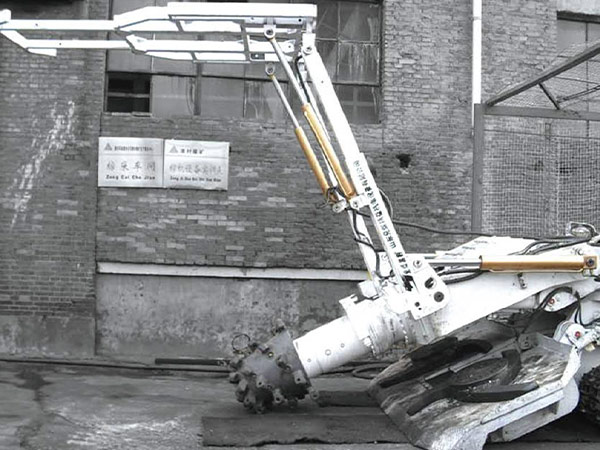
High-Strength, Full-Length Anchored Bolts & Optimized Spacing for Deep or Irregular Mines
For deep mining or mines with complex geology, traditional short bolts with tight spacing may not provide sufficient long-term support. Engineering studies and field experience show that high-strength full‑length anchored bolts, when properly torqued and spaced, significantly enhance roof stability, reduce sagging and layer separation, and extend support life.
Where bolted roof support is expected to endure high stress (geological shifts, deep shafts, vibration), adopting full‑length anchor bolts — and verifying installation torque or tension — is strongly recommended.
Predictive Maintenance & Monitoring: The Future of Roof Bolter Safety
With advancements in mining technology (Mining 4.0), many modern operations are integrating real-time monitoring: hydraulic pressure sensors, structural‑stress sensors, vibration monitors, dust sensors, and automated alerts. This enables predictive maintenance — flagging potential failures before they occur.
Such systems may track: hydraulic fluid pressure/flow, cylinder performance, boom stress or fatigue, dust-collector airflow and pressure, filter condition, dust exposure levels, and even drilling torque/penetration trends.
While requiring upfront investment and technical skill, predictive maintenance gives mines a significant advantage: reduced downtime, fewer accidents, better equipment lifespan, and improved compliance with safety and health regulations.
Conclusion
Running a mine roof bolter is more than simply “drill holes and install bolts.” It involves careful attention to geology, roof support design, mechanical integrity, hydraulics, control systems, dust control, operator training, and regulatory compliance.
By combining:
- proactive preventive maintenance,
- strict adherence to roof‑control plans and bolt torque / installation standards,
- thorough dust‑control and ventilation practices,
- proper operator training, and
- modernization where needed (better dust systems, automation, sensors),
— a mine operation can significantly enhance safety, reduce injuries, comply with regulations, minimize downtime, and extend equipment lifetime.
For modern underground mining operations, investing in proper maintenance culture — and where possible, predictive‑maintenance and monitoring systems — is not optional; it’s essential for long-term productivity, worker health, and asset preservation.
FAQ
How can I tell if my mine roof bolter hydraulic system is beginning to fail?
Look for slow, hesitant or jerky boom motions, unusual noises from cylinders, fluid leaks, or difficulty extending/retracting booms. Regularly check hydraulic fluid levels and inspect hoses/seals. If these symptoms appear — stop operation and perform a full hydraulic inspection before continuing.
What roof bolter tasks are most associated with injuries or fatalities?
According to data 2004–2013, the bolting activity itself carried the highest combined risk index for nonfatal lost-time injuries, followed by material handling, temporary roof support (TRS) installation, drilling, tramming, and traversing.
For fatalities, handling materials and setting TRS were particularly hazardous.
How often should I verify torque on installed roof bolts?
Regulations and industry best practice typically require that bolts be tested with a calibrated torque wrench immediately after installation, and that a minimum of a sample (e.g., 25% per drill head or per working area) be periodically verified. If many bolts fail the torque test, additional support or corrective action must be taken.
How important is dust control when using a roof bolter?
Dust control is essential. Roof bolting generates respirable dust — often containing crystalline silica — which is a serious long-term health hazard (e.g., silicosis). NIOSH studies show that properly maintained dust‑collector systems and use of efficient drill bits can dramatically reduce airborne dust.
Improper dust-collector maintenance (e.g., reusing filters, poor seals, worn bits) can significantly increase respirable dust exposure.
If my bolter machine is old, should I replace it or continue maintaining it?
If the machine is well-maintained and passes all structural, hydraulic, and safety inspections — and if dust‑control and control-systems are adequate — continued use may be feasible. However, older machines, especially those with outdated canopy hydraulics, lack of modern dust-control, or no sensor-based safeguards, carry increased risk. Modernization (or replacement) is often the safer, more cost-effective long-term strategy — especially in mines with high usage, deep shafts, or variable geology.
Can advanced dust-control measures (like wet-box collectors or air‑curtain canopies) really make a difference?
Yes. Studies comparing wet-box vs. traditional dry-box dust collection show up to 60% reduction in respirable dust exposure during cleaning.
Additionally, filtered-air canopy (air-curtain) systems — when correctly maintained — supply clean air over the operator’s workspace, significantly reducing inhalation risk.

Welcome to Shandong Yanmei Heibao Mining Equipment Co., Ltd.! Since 2002, we’ve been redefining mining with intelligent equipment, delivering safer, more efficient, and sustainable solutions.
📌 Follow us for updates and insights:
- Facebook: Shandong Yanmei Heibao
- YouTube: Shandong Yanmei Heibao Channel
Join us to explore innovation and excellence in mining—together!