

Mining operations require the movement of heavy, bulky machinery across rough terrain. Mining equipment transport is essential for:
- Relocating machinery between sites
- Efficient underground material handling
- Maintaining operational safety and minimizing downtime
The complexity of mining machinery, including crushers, drills, and loaders, necessitates specialized transport solutions to handle size, weight, and operational requirements.
Table of Contents
Key Points Covered in This Blog Post
- Overview of mining equipment transport and its challenges
- Types of transport solutions for mining machinery
- Advanced monorail crane systems for efficient material handling
- Cost-benefit analysis of different transport methods
- Safety protocols and maintenance tips
- Comparative insights: traditional vs. automated transport systems
- FAQs addressing common questions from mining operators
Key Concepts in Mining Transport Logistics
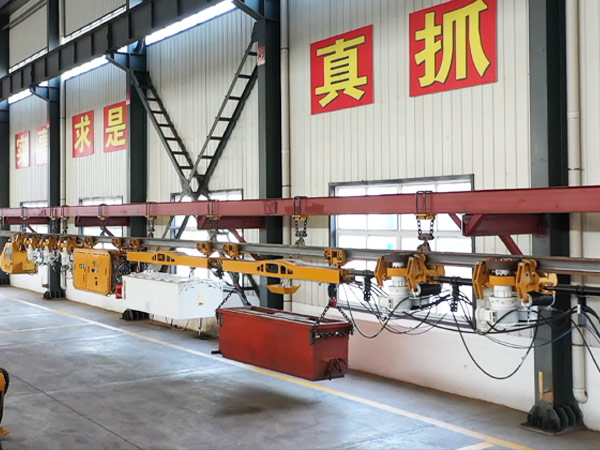
Weight and Dimension Constraints
Mining equipment often exceeds several tons, with irregular shapes. Transport systems must accommodate height, width, and weight limits without compromising safety.
Environmental Factors
Transport solutions need to function under extreme temperatures, humidity, and rough terrain, ensuring reliability in challenging mining conditions.
Operational Efficiency
Minimizing downtime and streamlining equipment movement are crucial to maintaining production schedules and reducing costs.
Advanced Transport Solutions for Mining Equipment
Several modern solutions improve the efficiency and safety of mining equipment transport, ranging from rail-mounted systems to battery-powered monorail cranes.
Electric Monorail Cranes
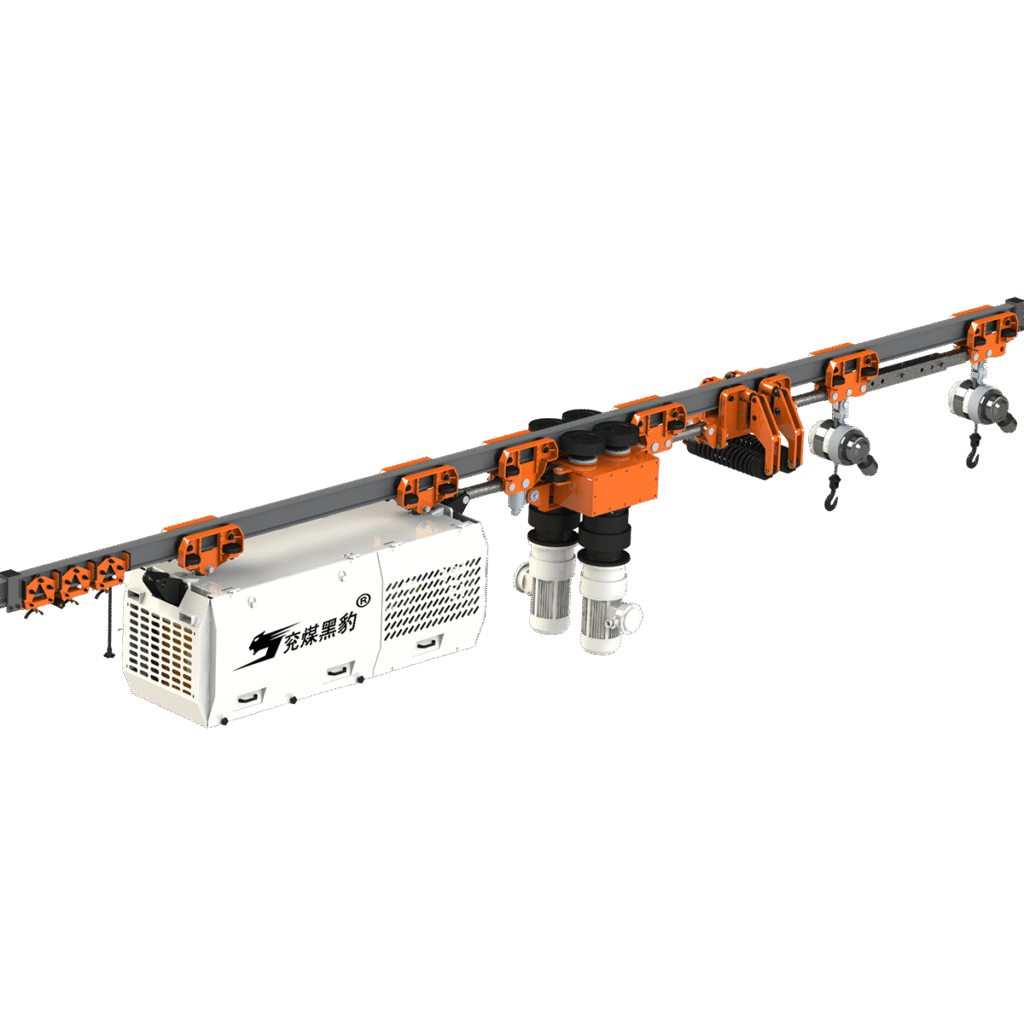
Overview
Electric monorail cranes offer compact design, high passability, and precise control, making them ideal for underground or space-constrained environments.
Key Features
- Wireless Flameproof Remote Control: Ensures operator safety while providing convenient control.
- Multiple Protection Systems: Includes emergency brakes, load sensors, and overload prevention.
- Low Maintenance & High Reliability: Reduces downtime and labor costs.
- Energy-Efficient & Eco-Friendly: Zero emissions and low power consumption.
Applications
- Transporting heavy drilling rigs within tunnels
- Relocating ore transport systems
- Installation of support structures in underground mines
Lithium Battery-Powered Monorail Cranes
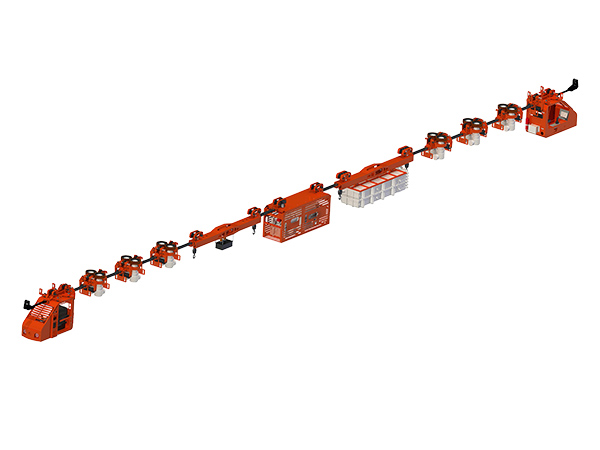
Advantages over Electric Monorail
- Strong adaptability to uneven roads and roof undulations
- Fast charging in 1.5–2 hours, minimizing downtime
- Enhanced safety with one-time transport and installation capability
- Pre-installed interfaces for unmanned driving and intelligent marshaling
Operational Metrics
- Maximum traction force: 120 kN
- Maximum speed: 2 m/s
- Gradeability: 25°
- Horizontal/vertical turning radius: 4 m / 10 m
- Endurance mileage: 20–24 km per full charge
Flameproof Battery-Powered Mining Monorail Cranes
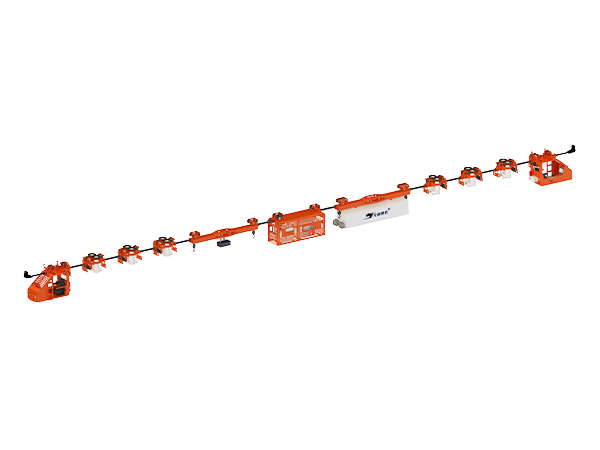
Designed for hazardous mining environments where safety and reliability are paramount. Features include:
- Reverse charging to convert potential energy into electrical energy
- Remote monitoring and operation via LAN or internet
- Energy-efficient, eco-friendly operation with zero emissions
Applications
- Hazardous coal or metal mines
- Underground transport in confined spaces
- Automated support structure installation
Comparative Analysis: Traditional vs. Modern Transport Systems
| Feature | Traditional Transport | Modern Monorail Cranes |
|---|---|---|
| Labor Intensity | High, requires multiple operators | Low, mostly automated |
| Safety | Manual risk, higher accident probability | Integrated sensors, remote monitoring |
| Energy Consumption | Moderate to high | Low, energy-efficient battery operation |
| Precision & Control | Limited, prone to human error | Nanometer-level precision, automated navigation |
| Downtime | Higher due to manual handling | Reduced, continuous operation |
This comparison highlights the advantages of automated monorail systems for high-volume and complex mining equipment transport operations.
Cost-Benefit Considerations
Initial Investment vs. Operational Savings
While battery-powered monorail cranes require higher upfront costs, they reduce labor expenses, energy costs, and downtime significantly.
Maintenance and Longevity
Automated systems feature durable components, advanced monitoring, and lower maintenance requirements, extending service life and reducing unplanned repair costs.
ROI Example
- Traditional crane: $100,000 initial + $20,000 annual labor/maintenance
- Lithium-powered monorail crane: $150,000 initial + $8,000 annual operating costs
- Break-even: Within 3–4 years, depending on operational scale
Safety and Maintenance Tips for Mining Equipment Transport
Regular Inspections
Check cables, load-bearing elements, and crane rails for wear or deformation.
Operational Training
Operators must be trained on crane control systems, emergency procedures, and remote monitoring software.
Environmental Safety Compliance
Ensure all transport systems comply with local regulations for emissions, noise, and electrical safety.
Conclusion
Efficient mining equipment transport is vital for modern mining operations. Advanced monorail crane systems—whether electric, lithium-powered, or flameproof—offer unparalleled safety, precision, and efficiency. By investing in automation, mines can achieve faster turnaround, lower labor costs, and a safer work environment while reducing environmental impact.
FAQ
Q1: What’s the best transport method for heavy underground mining equipment?
Automated battery-powered monorail cranes are ideal due to low labor requirements, precise control, and high adaptability to tight spaces.
Q2: How fast can mining equipment be relocated using modern monorail cranes?
Depending on the system, speeds of up to 2 m/s allow rapid relocation while maintaining safety and precision.
Q3: Can these systems operate in hazardous mining environments?
Yes, flameproof and energy-efficient cranes are designed specifically for hazardous or confined areas.
Q4: How do I choose between electric and lithium battery-powered monorail cranes?
Consider operational environment, distance, energy efficiency, and automation requirements. Lithium battery systems offer longer autonomy and flexibility in constrained areas.
Q5: Are remote monitoring and intelligent marshaling necessary?
For high-volume or hazardous operations, these features improve safety, efficiency, and reduce human error.
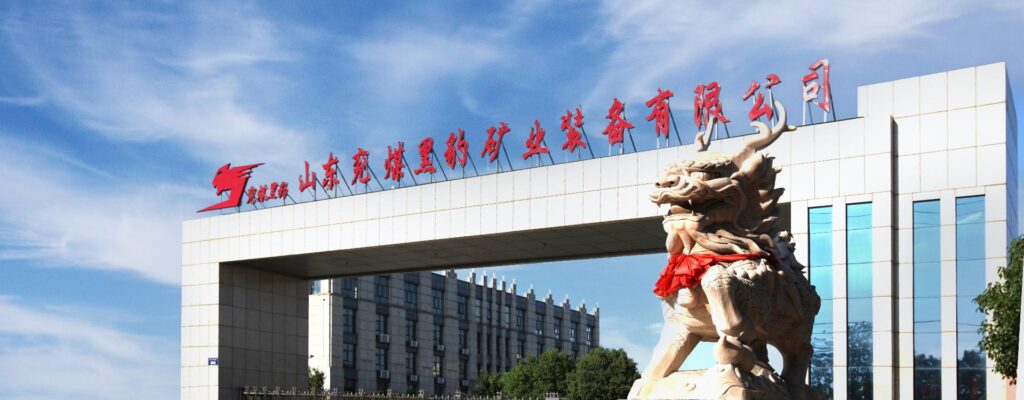
Welcome to Shandong Yanmei Heibao Mining Equipment Co., Ltd.! Since 2002, we’ve been redefining mining with intelligent equipment, delivering safer, more efficient, and sustainable solutions.
📌 Follow us for updates and insights:
- Facebook: Shandong Yanmei Heibao
- YouTube: Shandong Yanmei Heibao Channel
Join us to explore innovation and excellence in mining—together!