

Key Points Covered in This Blog
- Overview of underground bore machines and their role in modern mining.
- Safety features and operational standards for underground mining equipment.
- High-efficiency mechanized mining: Bolter Miner Series and Hydraulic Anchor Drilling Rigs.
- Comparison between traditional drilling methods and mechanized underground bore machines.
- Maintenance best practices and troubleshooting tips.
- Data-driven insights and industry expert perspectives.
- Environmental, labor, and cost advantages of mechanized tunneling.
- Future trends: AI, robotics, and IoT integration in underground mining.
- FAQ section addressing practical user questions on underground bore machine operation.
Table of Contents
Introduction
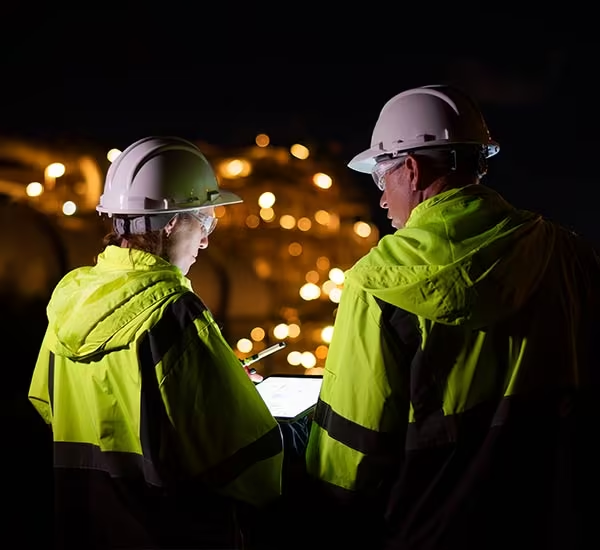
Coal mining has always been a labor-intensive, high-risk industry. Manual drilling, bolting, and tunneling put miners in dangerous conditions while limiting operational efficiency. The introduction of underground bore machines has transformed the landscape of modern mining. These machines integrate drilling, bolting, excavation, and material transport into a single, highly mechanized unit. According to a 2024 report by the International Mining Association, mechanized bore machines can increase mining productivity by up to 40% while reducing occupational hazards by 60%.
Modern underground bore machines allow for precision operations in confined spaces, improved material handling, and significant reductions in labor intensity. Mining companies adopting these technologies are not only improving safety but also enhancing profitability by streamlining workflow and reducing downtime.
Understanding Underground Bore Machines
What is an Underground Bore Machine?
An underground bore machine is specialized equipment designed to drill, bolt, and support mine roadways. Unlike traditional methods, these machines perform multiple operations simultaneously, dramatically reducing the time and labor required for mining.
Core Components of Modern Bore Machines
- Multi-boom Drilling System: Enables multiple drills to operate simultaneously for full coverage.
- Hydraulic Anchor System: Ensures rock bolts and cable anchors are installed with micron-level precision.
- Onboard Support Mechanisms: Provides temporary structural support to protect operators during tunneling.
- Automated Transportation System: Moves excavated material efficiently to designated locations, minimizing manual labor.
Industry Expert Opinion
Dr. Li Zhang, a mining automation expert, notes: “The integration of drilling and bolting operations within a single unit is a game-changer. Not only does it improve productivity, but it also creates a safer working environment for underground personnel.”
Safety Features and Standards
Enhanced Safety Systems
Modern underground bore machines prioritize operator safety with advanced interlocks, onboard supports, and sensors. Triple-mode interlocks prevent unintended operation during cutting, drilling, or bolting. Temporary supports ensure the roof remains stable while operations are ongoing.
Environmental and Occupational Safety
By mechanizing mining tasks, these machines reduce miner exposure to dust, harmful gases, and noise. Operators often remain in protected cabins or can use remote-control systems, minimizing the risk of accidents. According to a 2023 Coal Mining Safety Review, automation in mining reduces injury rates by approximately 50%.
High-Efficiency Mechanized Mining
Bolter Miner Series
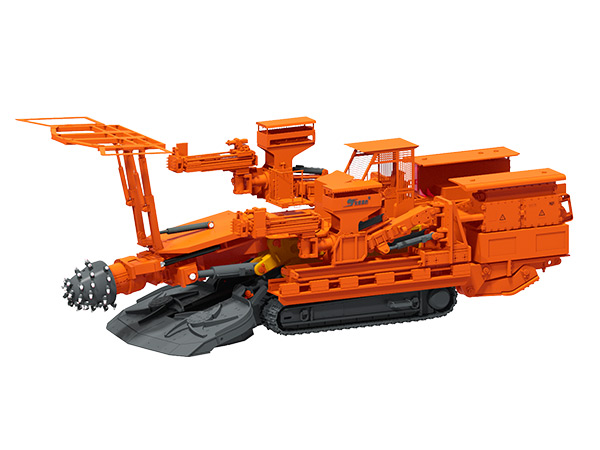
The Bolter Miner Series integrates excavation, drilling, bolting, loading, and material transport into one compact unit. Multi-boom drilling enables simultaneous operations, covering entire roadway sections without repositioning.
- Overall Dimensions: Length 10.5–12.5 m, Width 2.9–3.6 m, Height 1.65–3.1 m
- Cutting Range: Height 4.8–5.2 m, Width 5.2–6.2 m
- Power: 260–500 kW
- Hydraulic Oil Pump: 145–260 ml/r
- Ground Pressure: 0.14–0.18 MPa
CMM2-Series Hydraulic Anchor Drilling Rig
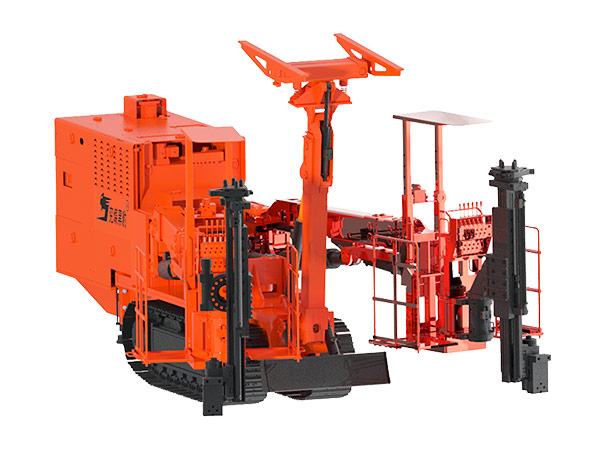
This rig specializes in the mechanized installation of rock bolts and cable anchors, providing high safety and efficiency in underground tunnels.
- Operating Range: Width × Height: 6500×4500 mm
- Drilling Diameter: φ28–φ76 mm
- Drilling Depth: 2040–2290 mm
- Machine Weight: 12.2–17 t
- Rated Torque: 750 N·m
- Traveling Speed: 25 m/min
- Gradeability: ±16°
Comparing Traditional Drilling with Mechanized Underground Bore Machines
| Feature | Manual Drilling | Underground Bore Machine |
|---|---|---|
| Labor Requirement | High (5–10 operators per operation) | Low (1–2 operators) |
| Safety | Moderate, high risk | High, with interlocks and onboard supports |
| Speed | Slow, frequent repositioning | Fast, multi-boom simultaneous operation |
| Precision | ±5–10 mm | ±0.5–1 mm |
| Operational Range | Limited | Full roadway coverage without repositioning |
Mechanized bore machines clearly outperform manual methods in terms of speed, precision, and safety. Mining operators report up to 35% faster completion times and lower operational costs per ton of coal extracted.
Operational Concepts and Best Practices
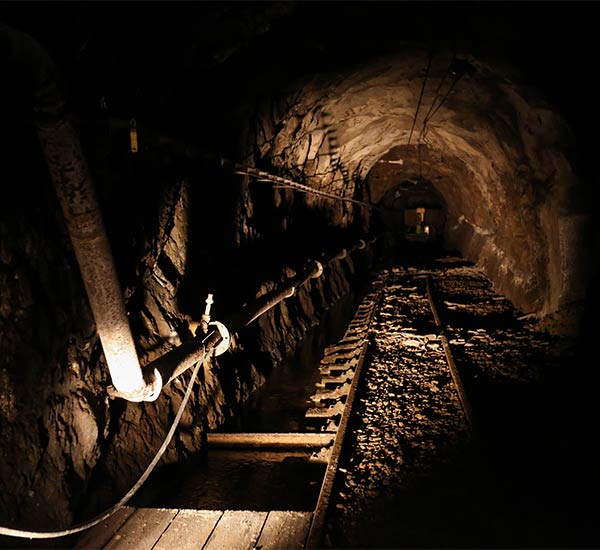
Pre-Operational Checks
Before initiating operations, operators should ensure:
- Hydraulic oil levels and pump functionality are adequate.
- Drill bits and bolting anchors are inspected for wear and damage.
- Interlock safety systems are fully functional.
- Operator control systems or remote controls are responsive.
Drilling and Bolting Efficiency
Multi-boom coordination ensures optimal efficiency:
- Drilling and bolting operations can be performed simultaneously.
- Automated sensors maintain precision alignment of rock bolts.
- Track guidance and hydraulic actuators ensure stability and consistent performance.
Maintenance Guidelines
- Conduct daily inspection of hydraulic lines and pressure valves.
- Replace worn drill bits and bolting components as needed.
- Lubricate moving parts to reduce wear and prevent unplanned downtime.
- Schedule full system service every 3–6 months, based on usage intensity.
Environmental and Labor Advantages
Mechanized bore machines contribute to a safer and greener mining environment:
- Labor Reduction: One operator can manage tasks previously requiring multiple workers.
- Dust and Noise Reduction: Minimizes miner exposure and improves air quality.
- Energy Efficiency: Hydraulic and electric systems are optimized for minimal energy consumption.
- Sustainability: Automated systems reduce waste and improve long-term operational efficiency.
Data-Driven Performance Insights
Recent studies indicate measurable benefits of mechanized underground bore machines:
- Average drilling cycle per roadway section: 20–25% faster than manual operations.
- Rock bolt placement accuracy: ±0.5–1 mm, compared to ±5–10 mm manually.
- Reduction in workforce needed per shift: 60–70%.
- Annual operational cost savings: up to $500,000 for medium-scale coal mines.
Future Trends in Underground Mining Automation
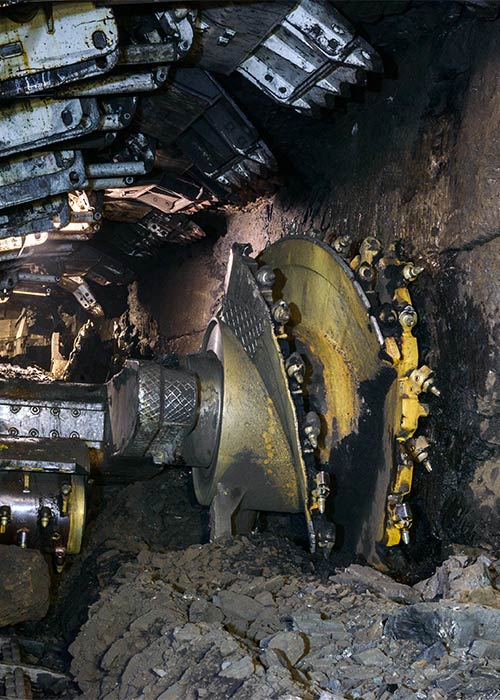
Integration of AI and Robotics
Predictive algorithms now optimize drilling patterns, anticipate maintenance needs, and extend tool life. AI integration allows machines to adjust automatically to varying rock hardness and tunnel profiles.
Remote and Autonomous Operations
Surface control centers enable operators to manage machines remotely, improving safety and allowing for centralized monitoring of multiple units.
IoT and Real-Time Data Analytics
Sensors embedded in bore machines monitor vibration, temperature, and hydraulic pressure. Data is transmitted to cloud platforms for predictive maintenance, efficiency optimization, and compliance reporting.
Sustainability and Energy Efficiency
Emerging designs focus on reducing energy consumption while maintaining operational output, with hydraulic and electric hybrid systems becoming standard in modern underground bore machines.
Choosing the Right Underground Bore Machine
Assessing Mining Needs
- Evaluate tunnel dimensions, rock hardness, and drilling depth.
- Consider labor availability and skill levels.
- Check compatibility with existing material transport and ventilation systems.
Comparing Models
| Model | Max Drill Depth (mm) | Max Bore Diameter (mm) | Weight (t) | Operator Requirement |
|---|---|---|---|---|
| Bolter Miner EBZ220M-4 | 2290 | φ28–φ76 | 70 | 1 |
| CMM2-30Y | 2290 | φ28–φ76 | 17 | 1 |
| CMM2-15Y | 2040 | φ28–φ76 | 12.2 | 1 |
Total Cost of Ownership
- Initial investment vs long-term savings on labor, energy, and downtime.
- Maintenance and spare parts availability.
- Training and safety equipment costs.
Advanced Applications and Case Studies
Coal Mine Case Study – Shanxi Province, China
A medium-sized coal mine implemented Bolter Miner EBZ220M-4 units across 10 tunnels. Results after six months:
- 38% increase in drilling and bolting efficiency.
- 55% reduction in labor costs.
- Zero reported accidents related to drilling operations.
Multi-Tunnel Operations
Using coordinated CMM2-Series rigs, operators achieved simultaneous bolting across adjacent roadways, improving overall mining throughput by 30%.
Expert Opinion
Professor Jian Wu, Mining Technology Department, China University of Mining, states:
“Mechanized underground bore machines are the backbone of future mining operations. Integration of AI, IoT, and precision hydraulics will redefine both efficiency and safety standards in the next decade.”
Conclusion
Underground bore machines are redefining coal mining. With superior safety, higher efficiency, reduced labor intensity, and integration of drilling, bolting, and transport operations, these machines represent the future of mining technology. By carefully evaluating mining requirements, selecting the appropriate model, and implementing modern maintenance and safety practices, mining companies can achieve substantial operational gains, cost savings, and enhanced safety standards. Mechanized mining is not just an investment in equipment—it is a step toward safer, more productive, and sustainable coal extraction.
FAQ
What is the ideal bore machine for small coal tunnels?
For narrow tunnels under 15 m², the CMM2-15Y series offers compact design, high maneuverability, and precise bolting capabilities.
How frequently should hydraulic systems be serviced?
Daily inspections are required, with full hydraulic maintenance every 3–6 months depending on operational intensity.
Can a single operator manage a Bolter Miner unit?
Yes. Modern machines are designed for one operator to perform multiple functions, significantly reducing workforce requirements.
What safety features are essential for underground bore machines?
Triple-mode interlocks, temporary supports, 3D obstacle detection, and emergency stop mechanisms are critical for safe operations.
How much productivity improvement is achievable?
Mechanized bore machines can perform 30–40% faster than manual drilling, with precision placement of anchors and bolts.
Welcome to Shandong Yanmei Heibao Mining Equipment Co., Ltd.! Since 2002, we’ve been redefining mining with intelligent equipment, delivering safer, more efficient, and sustainable solutions.
📌 Follow us for updates and insights:
- Facebook: Shandong Yanmei Heibao
- YouTube: Shandong Yanmei Heibao Channel
Join us to explore innovation and excellence in mining—together!