

Coal mining has always operated at the edge of engineering limits. As coal seams are driven deeper and geological conditions become more unpredictable, harsh underground environments are no longer the exception—they are the norm. Roof instability, high ground stress, limited space, and safety pressure have transformed how modern mines evaluate and deploy coal mining gear.
Today’s harsh sites demand more than heavy steel and hydraulic power. They require integrated systems, mechanized support logic, and equipment designed around real underground behavior, not ideal laboratory conditions. This article explores how coal mining gear has evolved to meet these challenges and how operators can select the right solutions for extreme environments.
Table of Contents
Key Takeaways from This Guide
- Why harsh coal mining sites require a different equipment logic
- Core design principles behind modern coal mining gear
- How mechanized support systems reduce risk and improve efficiency
- Comparison between traditional and advanced support methods
- Data-backed insights on safety, productivity, and ROI
- Practical selection frameworks for different underground conditions
- FAQ based on real-world, conversational Google search behavior
What Defines a Harsh Site in Coal Mining?
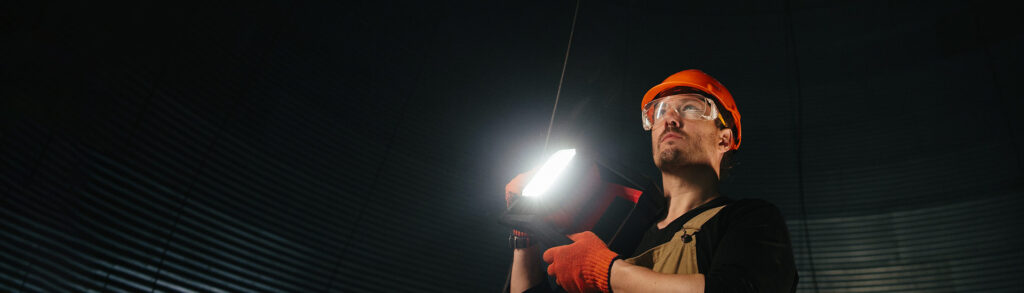
Harsh sites are not defined by a single factor. Instead, they are characterized by compound risks that interact with one another during excavation.
Geological Complexity as the Primary Risk Driver
Coal mines frequently encounter layered strata with inconsistent strength. According to industry studies published by the China Coal Research Institute, over 60% of underground roadway failures are linked to sudden geological changes rather than equipment malfunction.
Fault Zones and Broken Rock
Faulted areas increase roof separation and reduce natural load-bearing capacity, making immediate support critical.
High In-Situ Stress
Deep mining operations experience elevated horizontal and vertical stress, accelerating roof deformation after excavation.
Operational Constraints Underground
Even the most powerful coal mining gear must operate within strict physical limits.
Limited Roadway Dimensions
Typical coal mine roadways range between 2.5–4.5 meters in height, severely limiting equipment design flexibility.
Continuous Production Pressure
Modern mines operate under tight production schedules, leaving little tolerance for slow support installation or rework.
Why Traditional Coal Mining Gear Falls Short in Harsh Sites
Legacy support methods were developed for shallower, simpler conditions.
Manual Support Limitations
High Labor Intensity
Traditional pipe installation and forepoling methods require workers to remain close to unsupported roof areas.
Interrupted Workflow
Support installation often halts cutting operations, reducing overall advance rates.
Safety Gaps in Conventional Methods
According to data from multiple national mine safety administrations, roof-related incidents account for nearly 30% of underground coal mine accidents, highlighting the limits of outdated support systems.
Modern Coal Mining Gear: Core Design Principles
Advanced coal mining gear is built around integrated engineering concepts rather than standalone functions.
Mechanized Support Integration
Simultaneous Cutting and Support
Modern systems allow support deployment to occur alongside excavation, dramatically reducing exposure time.
Reduced Human Proximity
Mechanization shifts workers away from the face, a critical safety improvement in unstable zones.
System Compatibility and Modularity
Minimal Equipment Modification
Most modern coal mining gear is designed to integrate with existing roadheaders and drilling rigs.
Flexible Configuration
Modules can be adapted for different roadway shapes, including rectangular and arch profiles.
Key Categories of Coal Mining Gear for Harsh Sites
Onboard Temporary Support Equipment
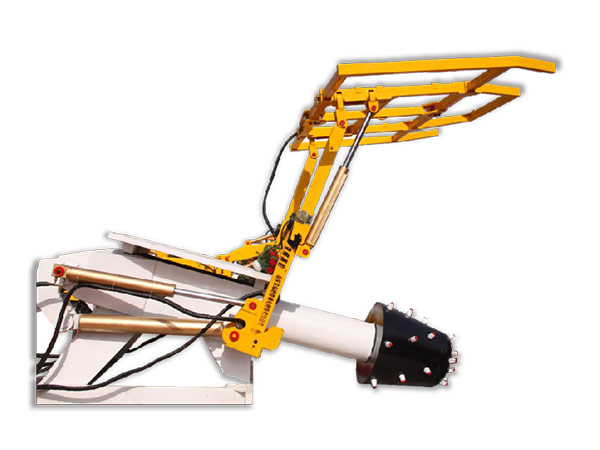
This equipment has become a cornerstone of modern tunneling operations in coal mines.
Operational Concept
Mounted directly on roadheaders, onboard temporary support advances with the cutting head, providing immediate roof stabilization.
Industry Adoption Insight
Experts from the China University of Mining and Technology note that mechanized temporary support can reduce unsupported roof exposure time by over 50%.
Lift-Type Tunnel Support Systems
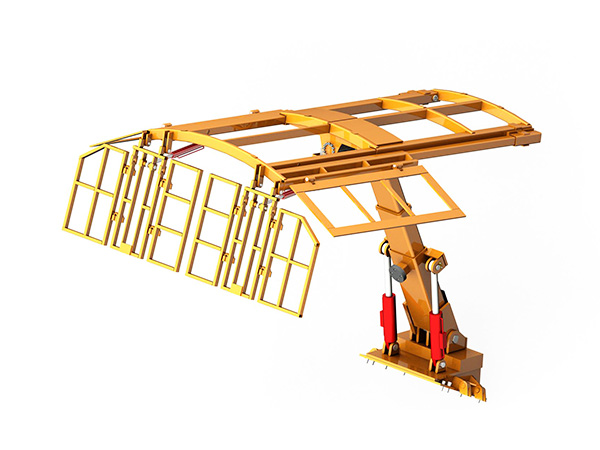
Designed for conditions where roof instability extends beyond narrow zones.
Expanded Frontal Coverage
The arched roof beam moves forward as a single unit, significantly increasing support area.
Use Case
Ideal for fractured rock zones or roadways with wide cross-sections.
Compact Retractable Support Systems
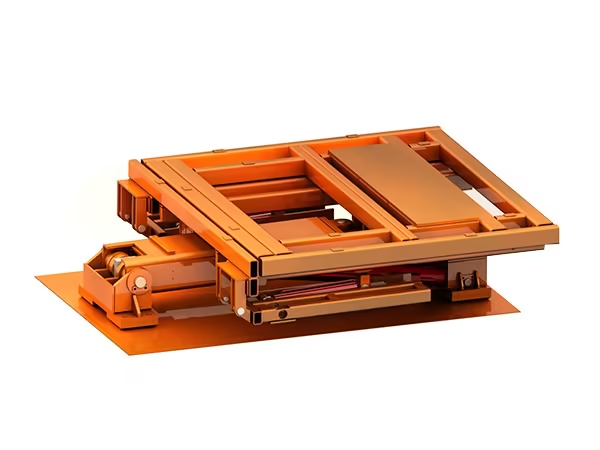
Harsh sites often require support without sacrificing operational space.
Space-Saving Logic
Retractable systems remain within the width of the cutting unit, ensuring smooth operation in confined roadways.
Productivity Impact
By avoiding interference, cutting operations continue without frequent stops.
Hydraulic Anchor Drilling Rigs
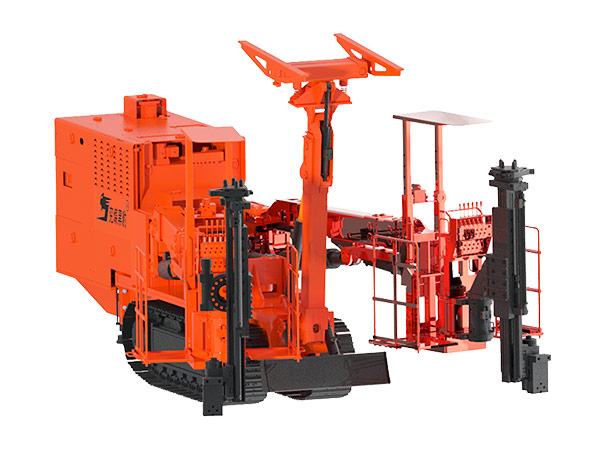
Permanent support remains essential after temporary stabilization.
Multi-Task Capability
Modern rigs handle rock bolting, cable anchoring, and exploratory drilling in a single platform.
Efficiency Benchmark
Field data shows mechanized bolting can shorten support cycles by 30–40% compared to manual drilling.
Comparison: Traditional vs Modern Coal Mining Gear
| Dimension | Traditional Methods | Modern Coal Mining Gear |
|---|---|---|
| Support Timing | After excavation | During excavation |
| Worker Exposure | High | Significantly reduced |
| Advance Speed | Limited | Consistently higher |
| Adaptability | Low | High |
| Safety Compliance | Reactive | Proactive |
This shift explains why modern coal mining gear is now standard in high-risk projects.
Data-Driven Benefits of Advanced Coal Mining Gear
Safety Performance Improvements
Industry reports indicate that mines using mechanized support systems experience 20–35% fewer roof-related incidents over comparable periods.
Operational Efficiency Gains
Faster Roadway Advance
Continuous support reduces stoppages, allowing stable advance rates even in poor ground conditions.
Lower Rework Rates
Early stabilization prevents deformation that would otherwise require reinforcement.
Economic Perspective: ROI in Harsh Sites
Investment in coal mining gear must be justified economically.
Cost vs Long-Term Value
While mechanized systems carry higher upfront costs, studies show payback periods typically fall within 12–24 months due to labor savings and reduced downtime.
Expert Opinion
A senior mining engineer from a major state-owned coal enterprise stated:
“Mechanized support systems are no longer optional in deep or unstable coal mines. They are the foundation of sustainable and safe production.”
How to Select Coal Mining Gear for Specific Harsh Conditions
High Stress and Deep Mining
Prioritize large-area frontal support and high load-bearing capacity.
Narrow or Low Roadways
Compact, retractable coal mining gear minimizes operational interference.
Rapid Development Projects
Integrated temporary support combined with hydraulic bolting rigs ensures speed without sacrificing safety.
Environmental and Regulatory Considerations
Modern coal mining gear also supports compliance goals.
Reduced Material Waste
Precise mechanized installation lowers steel and consumable overuse.
Improved Compliance Records
Stable support reduces incident frequency, supporting regulatory audits and long-term mine licensing.
Future Trends in Coal Mining Gear
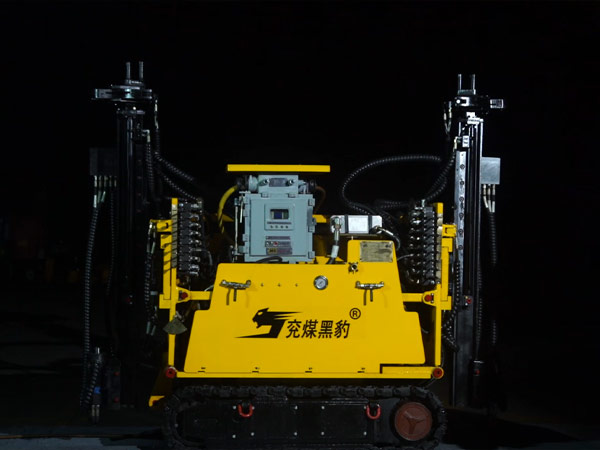
Digital Integration
Sensors and monitoring systems are increasingly embedded into support equipment.
Automation and Remote Control
Reducing underground personnel presence remains a key industry direction.
Conclusion
Harsh underground conditions have redefined what effective coal mining gear must deliver. Strength alone is no longer enough. Today’s equipment must integrate safety, adaptability, and efficiency into a single operational system. By understanding modern support concepts, comparing technologies, and applying condition-based selection logic, mining operators can transform harsh environments from high-risk zones into controlled, productive workplaces.
Modern coal mining gear is not simply an upgrade—it is the structural foundation of safe, efficient, and sustainable underground mining.
FAQ
What coal mining gear is best for unstable roof conditions?
Mechanized temporary support systems combined with hydraulic anchor drilling rigs provide immediate and long-term stability.
Does modern coal mining gear require major equipment upgrades?
Most systems are designed for compatibility with existing roadheaders and require minimal modification.
Is mechanized support suitable for small mines?
Yes, compact systems are available and often improve safety even in smaller operations.
How does coal mining gear improve production continuity?
By allowing cutting and support to proceed simultaneously, reducing unplanned stoppages.
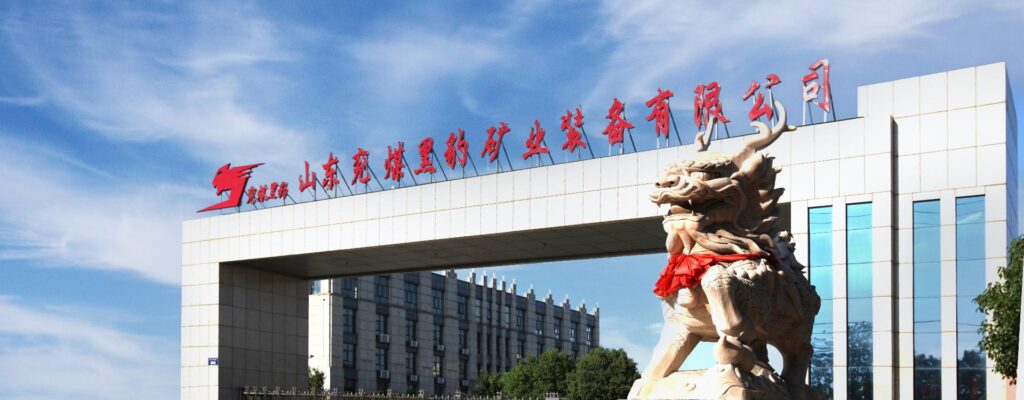
Welcome to Shandong Yanmei Heibao Mining Equipment Co., Ltd.! Since 2002, we’ve been redefining mining with intelligent equipment, delivering safer, more efficient, and sustainable solutions.
📌 Follow us for updates and insights:
- Facebook: Shandong Yanmei Heibao
- YouTube: Shandong Yanmei Heibao Channel
Join us to explore innovation and excellence in mining—together!