

Key Points (What You Will Learn in This Article):
- Why maintenance is the biggest factor affecting underground boring machine performance
- A structured maintenance checklist for coal mine tunnel boring
- How to reduce downtime and extend equipment life with predictive maintenance
- Key differences between routine maintenance vs. major overhauls
- Data-driven standards for common mining boring components
- Comparison of manual vs. automated maintenance approaches
- Expert insights from mining engineering professionals
- Common problems, root causes, and troubleshooting steps
- FAQs in Google-style search language
Table of Contents
Introduction
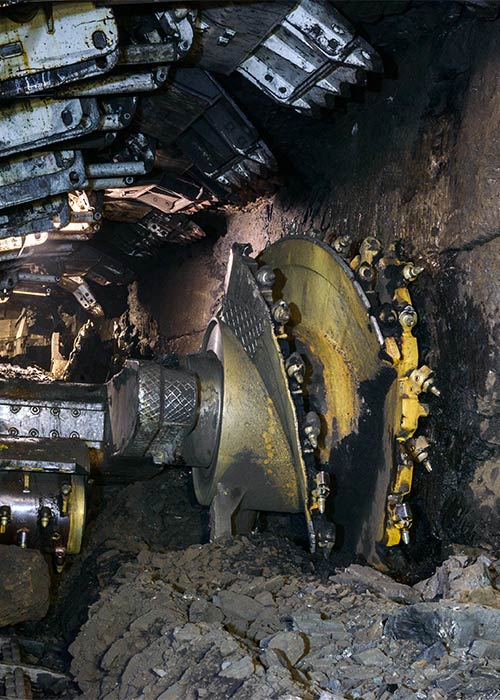
In coal mine tunneling, the underground boring machine is not just a piece of equipment—it is the “heart” of tunnel construction. When the boring machine runs smoothly, tunnel progress is stable, efficiency is high, and costs are controlled. When it fails, the entire mine production schedule is interrupted, causing huge economic losses and safety risks.
The International Mining Machinery Association (IMMA) reported that:
Over 60% of underground boring machine downtime is caused by preventable maintenance issues, not sudden catastrophic failures.
This means most downtime is due to poor maintenance management rather than mechanical “random breakdowns.”
Therefore, a systematic and standardized maintenance workflow is the foundation of mine production. This article will present a complete, actionable maintenance guide from concepts, data, standards, comparisons, and authoritative insights.
What Is an Underground Boring Machine in Coal Mines?
Definition and Core Uses
An underground boring machine is a mechanical system used for drilling, cutting, and excavating rock and coal layers to form tunnels, ventilation drifts, and transport passages. Its main functions include:
- Tunnel advance and excavation
- Installation of support systems (rock bolts, cable anchors)
- Drilling blast holes and exploration holes
- Drilling pressure relief holes and stress relief operations
Key Components of an Underground Boring Machine
Major components include:
- Drilling booms and drilling arms
- Hydraulic power system
- Cutting head and drill bits
- Track and propulsion system
- Control system and sensors
- Support and stabilization system
Why Maintenance Is More Critical Than You Think
The Hidden Cost of Downtime
In coal mines, downtime of the boring machine directly impacts the following:
- Tunnel advance rate
- Support installation speed
- Blast preparation time
- Production schedule stability
According to industry data, the average downtime cost for a large-scale coal mine can reach $10,000–$50,000 per day depending on mine capacity. This is why maintenance is not a secondary task—it is a core production strategy.
The Most Common Maintenance Failures
Typical causes of failure include:
- Hydraulic oil contamination
- Wear of drill bits and cutting heads
- Track and propulsion system wear
- Electrical control system faults
- Improper support and stabilization
- Incorrect drilling parameters leading to overload
Most of these are preventable through proper maintenance.
Standard Maintenance Workflow for Underground Boring Machines
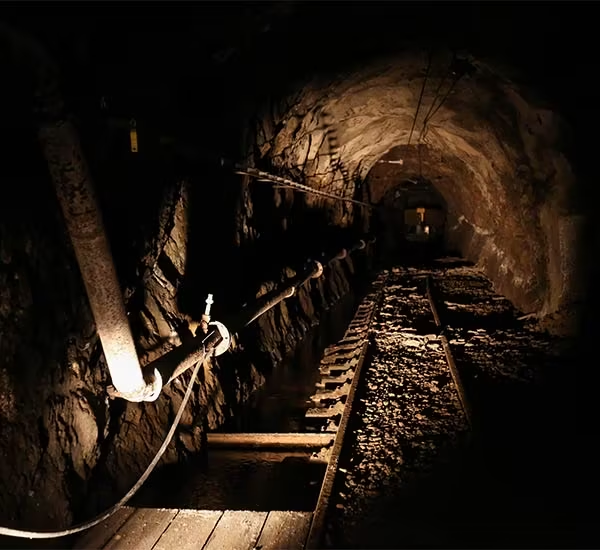
Daily Maintenance
Daily checks should include:
- Hydraulic oil level and temperature
- Visual inspection for leaks
- Track condition and tension
- Control system warning signals
- Drill bit wear status
- Cooling system performance
Weekly Maintenance
Weekly maintenance should include:
- Hydraulic filter replacement
- Lubrication of moving parts
- Tightening bolts and structural joints
- Inspecting protective covers
- Testing emergency stop and safety systems
Monthly Maintenance
Monthly maintenance should include:
- Full hydraulic system inspection
- Calibration of sensors
- Inspecting track rollers and bearings
- Inspecting drill booms for fatigue
- Checking propulsion motor performance
Annual Major Overhaul
Annual maintenance should include:
- Replacing key hydraulic components
- Replacing worn structural components
- Comprehensive electrical system check
- Full machine performance test
- Structural fatigue analysis
Predictive Maintenance: The New Standard for Coal Mines
Why Predictive Maintenance Matters
Predictive maintenance uses sensor data, historical failure patterns, and machine learning to predict when failures will occur. This reduces downtime and optimizes parts replacement.
IMMA recommends predictive maintenance because it can reduce downtime by up to 30% and extend machine life by 15–20%.
Key Predictive Maintenance Metrics
Key indicators include:
- Hydraulic oil particle contamination index
- Vibration frequency of drill head
- Motor temperature and current
- Track roller wear index
- Drilling torque and RPM stability
Maintenance of Key Components
Hydraulic System Maintenance
Hydraulic systems are the most critical part of the underground boring machine. Common issues include:
- Oil contamination
- Hydraulic pump wear
- Valve failure
- Cylinder seal leakage
Maintenance measures:
- Use ISO 4406 standard for hydraulic oil cleanliness
- Replace filters every 250–500 hours
- Conduct oil analysis every 500 hours
- Monitor pressure stability and pump noise
Drill Bit and Cutting Head Maintenance
Drill bits and cutting heads wear quickly under hard rock conditions.
A worn drill bit increases drilling torque, causing overload and vibration.
Recommended practices:
- Replace drill bits when wear exceeds 20%
- Use hard alloy or tungsten carbide bits
- Monitor drilling torque and RPM changes
Track and Propulsion System Maintenance
Track system failure often causes machine stoppage.
Common issues include:
- Track roller wear
- Track chain elongation
- Motor overheating
- Lubrication failure
Maintenance recommendations:
- Inspect track tension daily
- Replace rollers every 1000–1500 hours
- Use high-grade track chain grease
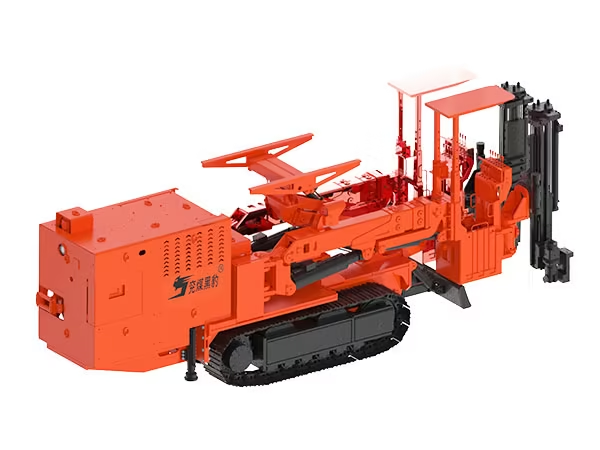
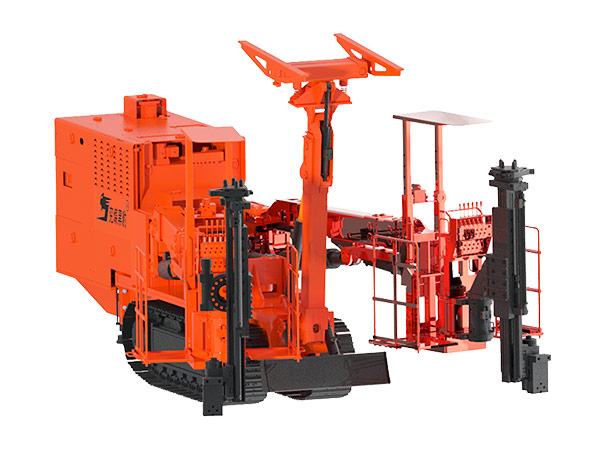
Case Study: CMM2-Series Hydraulic Anchor Drilling Rig (Coal Mine Application)
Why This Series Is Commonly Used in China
The CMM2-series hydraulic anchor drilling rig is widely used in China for rapid, efficient mechanized roadway support. It is designed for:
- Rock bolt installation
- Cable anchor installation
- Blast hole drilling
- Exploration hole drilling
It significantly improves safety and reduces labor intensity.
Performance Parameters (Key Data)
| Model | Applicable Cross-section (m²) | Drilling Diameter (mm) | Drilling Depth (mm) | Machine Weight (t) | Propulsive Force (kN) |
|---|---|---|---|---|---|
| CMM2-30Y | 30 | Φ28–Φ76 | 2290 | 16 | 20 |
| CMM2-25Y | 25 | Φ28–Φ76 | 2140 | 14.8 | 20 |
| CMM2-20Y | 20 | Φ28–Φ76 | 2140 | 13 | 20 |
| CMM2-15Y | 15 | Φ28–Φ76 | 2040 | 12.2 | 20 |
This data highlights the machine’s ability to handle different roadway sizes while maintaining stable performance.
Maintenance Implications
For these machines, maintenance priorities include:
- Hydraulic system cleanliness
- Drill boom fatigue analysis
- Track system lubrication
- Safety interlock testing
Common Failure Modes and Solutions
Failure Mode: Hydraulic Oil Contamination
Symptoms:
- Slow response
- High operating temperature
- Hydraulic valve sticking
Solution:
- Replace filters immediately
- Perform oil particle analysis
- Ensure sealed system integrity
Failure Mode: Drill Bit Overload
Symptoms:
- Sudden torque increase
- Drill bit vibration
- Reduced drilling speed
Solution:
- Replace drill bits promptly
- Adjust drilling parameters
- Use appropriate bit material
Failure Mode: Track System Slippage
Symptoms:
- Slow travel speed
- Track chain noise
- Track tension loss
Solution:
- Adjust track tension
- Replace worn rollers
- Inspect propulsion motor
Comparison: Manual Maintenance vs Automated Maintenance
Manual Maintenance
Manual maintenance depends on operator experience and routine checks.
Advantages:
- Low cost
- Flexible
Disadvantages: - Human error
- Poor consistency
- Difficult to track history
Automated Maintenance
Automated maintenance uses sensors and predictive algorithms.
Advantages:
- Consistent monitoring
- Predictive alerts
- Reduced downtime
Disadvantages: - Higher initial cost
- Requires data infrastructure
Recommendation:
For modern coal mines, automated maintenance is the trend, but manual checks remain essential as backup.
Modern Maintenance Technologies
Digital Twin for Underground Boring Machines
Digital twin technology creates a virtual replica of the machine, enabling real-time simulation and predictive maintenance.
Benefits:
- Real-time performance monitoring
- Predictive failure simulation
- Optimization of maintenance schedule
Remote Monitoring and Control
Remote monitoring systems allow supervisors to track machine status from the control room. This improves safety and reduces the need for personnel in hazardous environments.
Safety Considerations in Maintenance
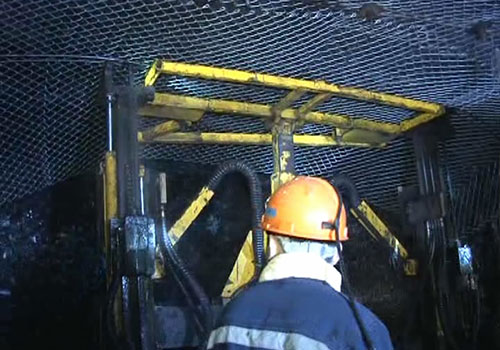
Safety During Maintenance
Maintenance should be performed under strict safety protocols:
- Lockout-tagout procedures
- Gas detection in tunnel
- Proper ventilation
- Personal protective equipment (PPE)
- Emergency rescue plan
Safety During Drilling and Support
When performing drilling and support operations:
- Ensure roof stability
- Use temporary support for unsupported roof areas
- Follow interlock procedures for travel, support, and drilling
Conclusion
The underground boring machine is the key to coal mine tunnel construction. Effective maintenance not only prevents downtime but also improves safety, increases productivity, and extends machine life. By adopting standardized maintenance procedures, predictive maintenance, and modern monitoring technologies, coal mines can achieve higher operational efficiency and lower cost per meter of tunnel.
FAQ
What is the best maintenance schedule for an underground boring machine?
A good schedule includes daily, weekly, monthly, and annual checks, with predictive maintenance for critical components.
How can I reduce downtime for my boring machine?
Use predictive maintenance, perform timely parts replacement, and maintain hydraulic oil cleanliness.
How often should hydraulic oil be analyzed?
Generally, every 500 hours, but it depends on working conditions and contamination levels.
Why does the boring machine drill slower over time?
Usually due to drill bit wear, hydraulic system contamination, or track system issues.
What is the most common cause of underground boring machine failure?
Hydraulic oil contamination and drill bit wear are the most common causes.
Welcome to Shandong Yanmei Heibao Mining Equipment Co., Ltd.! Since 2002, we’ve been redefining mining with intelligent equipment, delivering safer, more efficient, and sustainable solutions.
📌 Follow us for updates and insights:
- Facebook: Shandong Yanmei Heibao
- YouTube: Shandong Yanmei Heibao Channel
Join us to explore innovation and excellence in mining—together!