

Key Takeaways
- Modern subsurface mining combines mechanization, automation, and real-time monitoring to reduce accidents and improve productivity.
- Ground control, ventilation, and gas monitoring are the three pillars of underground safety.
- Mechanized support systems such as hydraulic anchor drilling rigs and roadway repair machines significantly reduce manual labor and exposure to risk.
- Smart transport and lifting solutions (e.g., monorail cranes) reduce injury rates and improve operational stability.
- Choosing the right mining method depends on geology, depth, ore type, and ventilation conditions, and must be guided by strict safety standards.
Table of Contents
Introduction
Underground mining has always been dangerous, but the risk landscape has changed dramatically in the last decade. Traditional mining methods often rely on manual labor and low automation, which increases exposure to hazards like roof collapses, gas explosions, and equipment accidents. Today, modern subsurface mining is defined by a new set of safety standards that prioritize real-time monitoring, mechanized support, and intelligent automation.
Imagine a mining site where the roof is stabilized before workers enter, where gas levels are monitored continuously, and where heavy loads are moved remotely using advanced machines. This is no longer a futuristic vision—it is the new reality for leading mines around the world. In this article, we explore five safe subsurface mining methods that are proven to reduce risk, increase efficiency, and comply with modern safety regulations.
The Core Safety Challenges of Subsurface Mining
Subsurface mining is inherently hazardous due to factors such as limited visibility, confined spaces, unstable geology, and high stress conditions. Here are the most common safety challenges:
Roof Collapse and Rock Falls
In underground mines, roof collapses and rock falls account for a large percentage of fatalities and serious injuries. This is why ground support and roof reinforcement are essential safety measures.
Gas Explosions and Toxic Exposure
Methane and carbon monoxide are the two most common gases in coal mines. Methane is explosive at 5%–15% concentrations in air. Carbon monoxide, even at low levels, can cause severe poisoning.
Poor Ventilation and Dust Exposure
Dust is a major hazard in underground mines. Over time, dust exposure can lead to respiratory illnesses such as pneumoconiosis (black lung disease). Proper ventilation systems are essential.
Transport and Material Handling Accidents
Underground transport accidents often occur due to poor visibility, unstable track systems, or manual handling of heavy loads.
Human Error and Fatigue
Fatigue increases the risk of accidents. In underground mines, workers often operate in long shifts, making fatigue management essential.
Method 1: Advanced Ground Support and Control
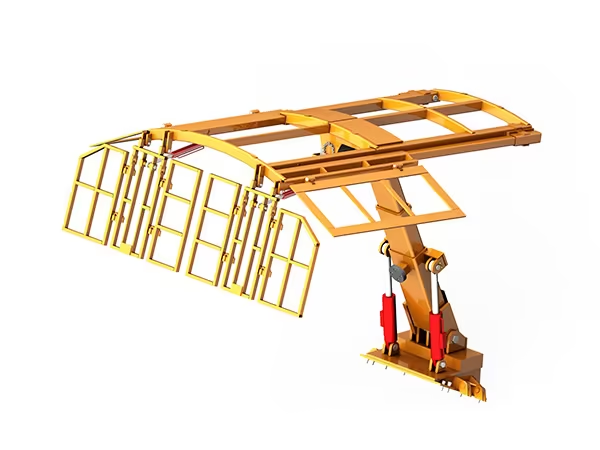
Ground control is the first line of defense in underground mining. Without stable roofs and walls, no other safety measure can fully protect workers.
Concept: Roof Support Systems
Roof support systems are designed to distribute stress and prevent rock falls. Common methods include:
- Rock bolts: long steel bolts installed into rock layers to prevent movement
- Cable anchors: flexible high-strength cables that support large rock masses
- Steel beams and mesh: support the roof and prevent small fragments from falling
Concept: Ground Stabilization
Ground stabilization includes methods such as:
- Shotcrete: sprayed concrete that reinforces rock surfaces
- Grouting: injecting cement or chemical solutions to fill cracks
- Mechanical reinforcement: using steel structures to support weak zones
Concept: Load Monitoring and Stress Sensors
Modern mines use sensors to monitor ground stress in real time. When stress exceeds safety thresholds, the system alerts engineers to take preventive actions.
Practical Example: Hydraulic Anchor Drilling Rigs
One of the most effective ground support solutions is the CMM2-SERIES Hydraulic Anchor Drilling Rig. This machine mechanizes the installation of rock bolts and cable anchors, dramatically improving safety and efficiency.
Key technical parameters:
- Drilling diameter: φ28–φ76 mm
- Drilling depth: up to 2290 mm
- Applicable roadway cross-section: up to 30 m²
- Rated torque: 750 N·m
- Traveling speed: 25 m/min
Safety benefits include:
- Reduces manual drilling risks
- Improves support quality and consistency
- Shortens installation time, reducing worker exposure to hazards
Why Ground Support Is Essential
Without proper ground support, the risk of roof collapse increases exponentially. Modern subsurface mining prioritizes ground support as a non-negotiable safety requirement.
Method 2: Mechanized Roadway Repair and Maintenance
Roadways are the lifelines of underground mines. Damage to roadways can disrupt ventilation, transport, and emergency escape routes.
Concept: Roadway Stability
Roadway stability refers to the ability of tunnels to remain safe and accessible over time. This requires regular monitoring and reinforcement.
Concept: Preventive Maintenance
Preventive maintenance includes:
- Scheduled inspections
- Timely reinforcement
- Immediate repairs after detected damage
Preventive maintenance reduces downtime and prevents small issues from becoming major hazards.
Concept: Multi-Function Repair Systems
Modern roadway repair machines combine multiple functions such as:
- Flitching (removing rock layers)
- Floor leveling and repair
- Slotting and cutting
- Steel beam shearing
This multi-function approach reduces the need for multiple machines and reduces time spent in hazardous zones.
Practical Example: WPZ-SERIES Roadway Repair Machine
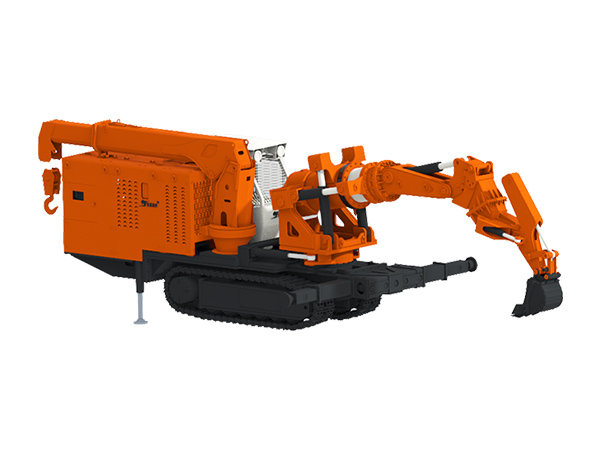
The WPZ-SERIES Roadway Repair Machine is designed for fast and efficient roadway maintenance. It offers multiple functions and quick attachment changes.
Key parameters:
- Power: 45 kW or 75 kW
- Maximum operating weight: 12,000 kg to 24,000 kg
- Digging depth: 1450 mm
- Reach distance: 3500 mm
- Breakerhammer impact energy: 1700 J (WPZ-75)
Safety benefits include:
- Reduced time spent in dangerous zones
- Faster repairs reduce the risk of roof collapse
- Improved operational efficiency
Case Study: Efficiency Improvements
In modern mines using mechanized roadway repair, average downtime is reduced by up to 30% compared to manual repair methods. This directly improves safety by limiting worker exposure to unstable environments.
Method 3: Intelligent Ventilation and Gas Monitoring
Ventilation and gas monitoring are critical for preventing explosions and toxic exposure.
Concept: Ventilation Networks
Ventilation networks consist of intake and exhaust systems that maintain airflow and oxygen levels. Modern systems are computer-controlled and can adjust fan speed based on real-time conditions.
Concept: Gas Detection Systems
Gas detection systems monitor:
- Methane (CH₄)
- Carbon monoxide (CO)
- Oxygen (O₂)
- Hydrogen sulfide (H₂S)
These systems provide real-time alerts and trigger automatic shutdowns if dangerous gas levels are detected.
Concept: Dust Control
Dust control systems include:
- Water sprays
- Dust collectors
- Air filtration systems
Dust control is essential for preventing respiratory diseases and maintaining air quality.
Best Practices for Ventilation Safety
- Install continuous gas monitoring
- Calibrate sensors regularly
- Maintain ventilation fans and ducts
- Implement emergency ventilation protocols
Why Ventilation Is Critical
Methane concentrations of 5%–15% are explosive. In modern subsurface mining, ventilation systems are engineered to maintain methane levels well below safety thresholds. This is a core requirement for safe operations.
Method 4: Smart Transport and Material Handling
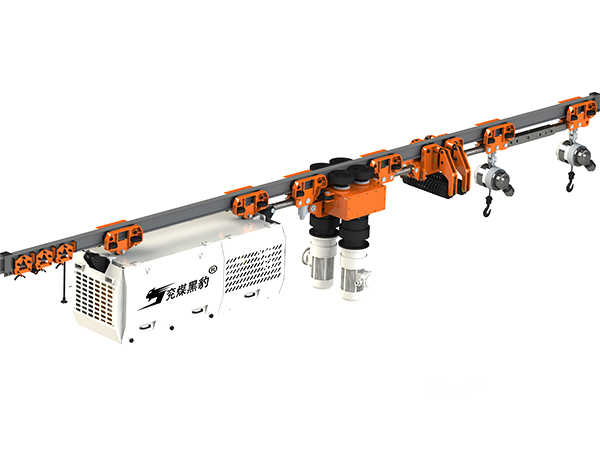
Transport accidents are a leading cause of underground injuries. Modern mines use smart transport solutions to reduce risks.
Concept: Remote Control and Automation
Remote-controlled vehicles reduce worker exposure to high-risk zones. Automation improves precision and reduces human error.
Concept: Safe Lifting and Load Handling
Proper lifting equipment prevents accidents caused by overload and imbalance. Modern lifting systems use safety interlocks and load sensors.
Concept: Stable Track Systems
Track systems must be stable and aligned. Modern mines use advanced track beam installation and monitoring systems to prevent derailments.
Practical Example: Electric Monorail Crane
The Electric Monorail Crane provides safe and efficient lifting with remote control and protection systems.
Key parameters:
- Rated traction force: 30 kN
- Max lifting weight: 10 tons
- Operating speed: 0.4 m/s
- Remote control system
Safety benefits include:
- Reduced manual lifting
- Improved precision and control
- Lower risk of accidents
Comparison: Manual vs. Remote Transport
| Method | Safety Level | Efficiency | Human Exposure |
|---|---|---|---|
| Manual Transport | Low | Low | High |
| Remote/Automated Transport | High | High | Low |
Remote transport systems are now considered best practice for modern subsurface mining.
Method 5: Rapid Track Installation and Tunnel Support
Tunnel support must keep pace with excavation. Delays increase risk of collapse and accidents.
Concept: Tunnel Support Coverage
Tunnel support coverage means that the entire roof and walls are reinforced. Partial coverage increases risk.
Concept: Modular Support Systems
Modular support systems can be quickly installed and adjusted to match tunnel conditions.
Concept: Combined Drilling and Installation
Machines that can drill and install track beams simultaneously reduce time and labor.
Practical Example: CGYJ-22/4.2 Auxiliary Installation Vehicle
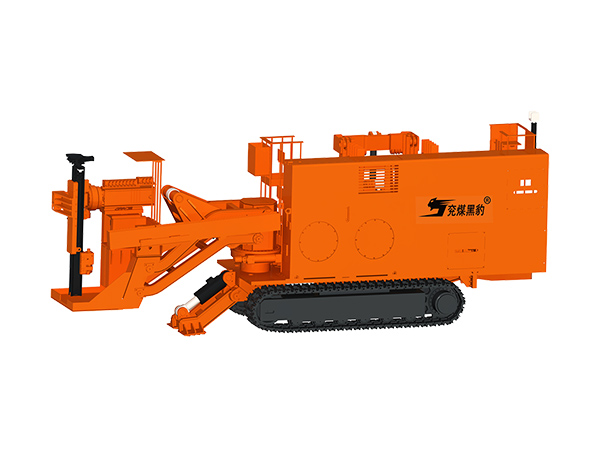
The Mining Track Beam Auxiliary Installation Vehicle combines drilling and track installation to improve safety and efficiency.
Key parameters:
- Applicable roadway width: 3–5.5 m
- Drilling diameter: 28–32 mm
- Drilling depth: 0–15 m
- Machine weight: ~18 tons
- Total power: 45 kW
Safety benefits include:
- Faster installation reduces risk
- Reduced manual labor
- Better track stability
Real-World Impact
In modern mines, using automated track installation systems can reduce installation time by up to 40%, which directly improves safety and operational continuity.
Legal and Regulatory Framework for Safe Subsurface Mining
Modern subsurface mining must comply with strict safety regulations. While specific standards vary by country, the following elements are commonly required:
Safety Standards and Audits
- Regular safety audits
- Mandatory inspections of ventilation and gas systems
- Mandatory roof support inspections
- Worker safety training and certification
Environmental Regulations
- Dust control standards
- Water management requirements
- Noise and emissions limits
Worker Safety Requirements
- PPE standards (helmets, respirators, hearing protection)
- Fatigue management
- Emergency response drills
Why Compliance Matters
Compliance is not only a legal requirement—it also reduces risk, improves productivity, and builds a reputation for responsible operations.
Advanced Safety Technologies for Subsurface Mining
Modern subsurface mining is increasingly powered by advanced technologies.
Digital Twin Technology
Digital twin technology creates a virtual model of the mine. It allows engineers to simulate stress, ventilation, and equipment operation.
Real-Time Monitoring
Sensors collect data on gas levels, ground stress, temperature, and equipment status. Data is analyzed in real time to identify risks.
Artificial Intelligence and Predictive Analytics
AI systems can predict equipment failures, ventilation issues, and risk hotspots. This enables preventive action.
Drones and Robotics
Drones can inspect difficult areas. Robotics can perform dangerous tasks such as exploration and support installation.
Benefits of Advanced Technology
- Faster risk detection
- Reduced human exposure
- Improved decision-making
- Higher operational efficiency
Table: Key Safety Metrics in Modern Subsurface Mining
| Safety Metric | Modern Target | Why It Matters |
|---|---|---|
| Methane Level | <1% (preferably) | Prevents explosion risk |
| Carbon Monoxide | <50 ppm | Prevents poisoning |
| Roof Stress Monitoring | Continuous | Prevents collapse |
| Dust Concentration | <2 mg/m³ (varies) | Prevents respiratory disease |
| Ventilation Airflow | Minimum required per miner | Ensures oxygen and cooling |
| Equipment Downtime | <5% | Improves safety and efficiency |
Comparison: Traditional vs. Modern Subsurface Mining Safety
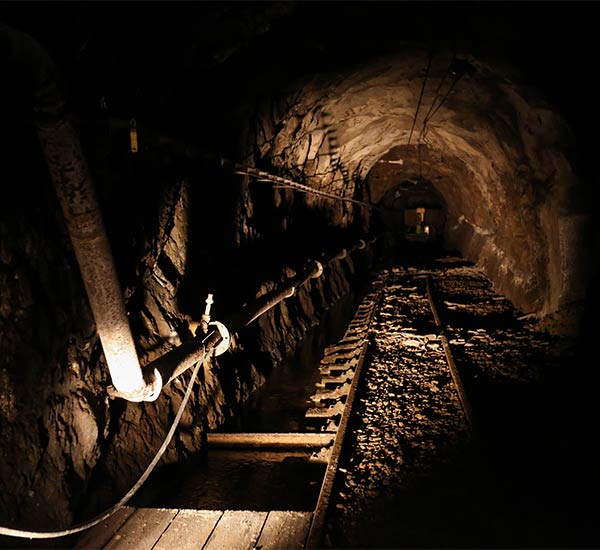
Traditional Mining
- Manual drilling and support
- Limited monitoring
- High labor intensity
- Higher accident rates
Modern Subsurface Mining
- Mechanized support and repair
- Real-time monitoring and automation
- Lower labor intensity
- Reduced accident rates
Modern subsurface mining emphasizes prevention and automation, rather than reactive safety measures.
Conclusion
Modern subsurface mining is evolving rapidly, and safety is at the center of that evolution. The combination of mechanized ground support, intelligent ventilation, real-time monitoring, and automated transport is reshaping underground operations.
If your mining site still relies on outdated methods, upgrading to modern safety systems is not just an investment—it is a strategic necessity. By implementing these five safe subsurface mining methods, you can protect workers, improve efficiency, and maintain compliance with modern regulations.
FAQ
What is subsurface mining and why is it dangerous?
Subsurface mining refers to underground extraction of minerals and coal. It is dangerous due to risks such as roof collapse, gas explosions, poor ventilation, and confined spaces.
What is the safest subsurface mining method?
The safest approach combines mechanized support, real-time monitoring, and automated ventilation. Ground support is essential for stability, while ventilation and gas monitoring prevent explosions.
How does technology improve safety in subsurface mining?
Technology improves safety through real-time monitoring, predictive analytics, automation, and remote operation. These systems reduce manual labor and prevent accidents before they occur.
How often should underground tunnels be inspected?
Daily inspections are standard for ventilation and roof stability. High-risk areas may require more frequent checks. Many modern mines use continuous monitoring sensors.
What is the most common cause of underground mining accidents?
Roof collapse and gas explosions are among the most common causes. Poor ventilation, unstable geology, and manual handling also contribute.
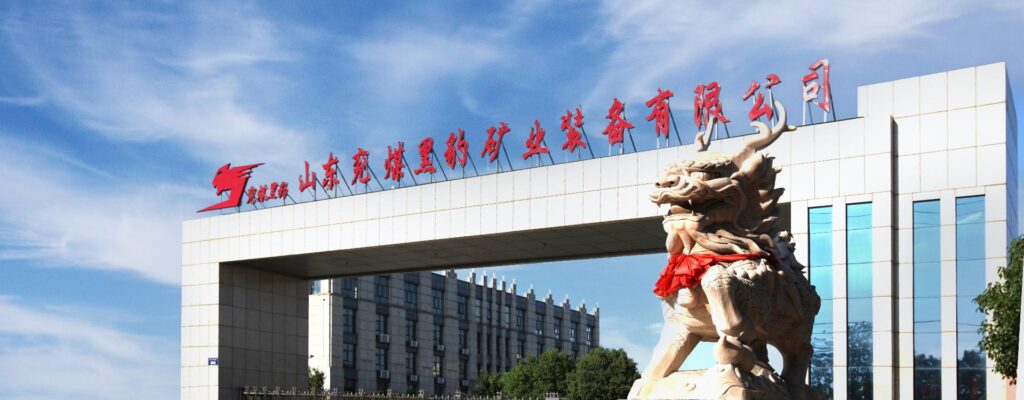
Welcome to Shandong Yanmei Heibao Mining Equipment Co., Ltd.! Since 2002, we’ve been redefining mining with intelligent equipment, delivering safer, more efficient, and sustainable solutions.
📌 Follow us for updates and insights:
- Facebook: Shandong Yanmei Heibao
- YouTube: Shandong Yanmei Heibao Channel
Join us to explore innovation and excellence in mining—together!