

Table of Contents
Introduction
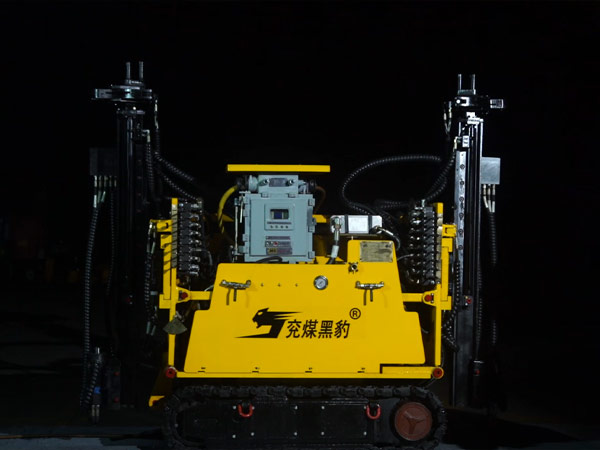
Underground mining vehicles are essential tools in modern mining operations. They enable efficient material handling, track installation, drilling, and overall site productivity. However, operating these vehicles safely requires strict adherence to safety protocols, awareness of potential hazards, and proper training. This guide provides eight essential safety tips for underground mining vehicles, helping operators minimize risk while maximizing efficiency.
In addition, we will highlight a practical example of the CGYJ-22/4.2 Mining Track Beam Auxiliary Installation Vehicle to illustrate how safety and efficiency can be enhanced simultaneously. This vehicle is designed to reduce labor intensity and streamline operations, making it an ideal example of advanced underground mining technology.
Understanding the Role of Underground Mining Vehicles in Safety
Underground mining vehicles come in a variety of forms, including loaders, haul trucks, drilling rigs, and auxiliary installation vehicles. Their main purpose is to transport materials safely, install critical infrastructure, and support mining operations with minimal risk to workers. Failing to operate these vehicles properly can lead to accidents, injuries, and costly delays.
Key aspects of safety in underground mining vehicles include:
- Vehicle maintenance and inspection
- Operator training and certification
- Proper load handling
- Adequate ventilation in underground tunnels
- Awareness of roadway conditions
By focusing on these areas, mining companies can ensure safer working environments while maintaining operational efficiency.
Conduct Regular Vehicle Inspections
Routine inspections are critical for ensuring the safe and efficient operation of underground mining vehicles. Before every operation, operators should systematically check brakes, tires, hydraulics, and track mechanisms. Any signs of wear or damage, such as cracks in the hydraulic hoses or uneven tire wear, must be addressed immediately to prevent accidents.
For example, the CGYJ-22/4.2 Mining Track Beam Auxiliary Installation Vehicle is equipped with specialized stabilizers and track storage capacity, which require regular monitoring. The stabilizers ensure that the vehicle remains balanced during drilling and track installation, while proper maintenance of the track storage system prevents jams or misalignment that could lead to operational delays or safety hazards. By implementing a strict inspection checklist, mining operators can not only reduce the likelihood of equipment failure but also extend the service life of expensive machinery.
Regular inspections should also include:
- Verification of lights and warning alarms to maintain visibility and alert workers in confined tunnels.
- Checking hydraulic fluid levels and ensuring no leaks are present.
- Inspecting electrical systems for wear or corrosion, particularly in damp underground environments.
Ensure Proper Operator Training
Operator training is one of the most critical safety measures for underground mining vehicles. Training programs should cover both standard operating procedures and emergency response protocols. Operators need to understand how to maneuver vehicles in tight underground spaces, navigate uneven terrain, and handle sudden obstacles such as falling debris or water accumulation.
The CGYJ-22/4.2 vehicle, with its capability for simultaneous drilling and track installation, requires operators to coordinate multiple functions at once. Without proper training, the efficiency gains of this advanced system could be negated by operational errors. Training should also include familiarization with:
- Emergency brake operation and shutdown procedures.
- Safe loading and unloading techniques for track beams or other heavy materials.
- Communication protocols for coordinating with other vehicles and workers underground.
Well-trained operators can respond quickly to hazards, reduce human error, and maintain consistent productivity even in challenging underground conditions.
Follow Speed and Load Limits
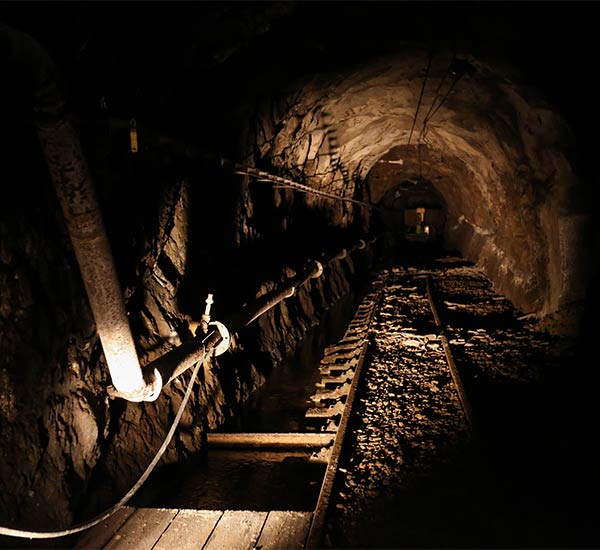
Underground mining vehicles must always operate within their specified speed and load limits. Exceeding speed limits can compromise vehicle stability in narrow tunnels, increasing the risk of collisions with walls, other vehicles, or equipment. Overloading, on the other hand, can strain mechanical components, reduce braking efficiency, and cause tipping hazards.
For instance, the CGYJ-22/4.2 Mining Track Beam Auxiliary Installation Vehicle has a maximum track storage capacity of 10 units and a rated torque of 400 N·m. Adhering to these limits ensures that the vehicle can maintain smooth operation and avoid mechanical failures. Additionally, controlled speed operation allows operators to respond quickly to unexpected obstacles, such as rockfalls or flooded sections, further enhancing safety.
Implement Clear Communication Protocols
Clear communication is essential in underground mining operations, where visibility is limited and multiple underground mining vehicles may operate in close proximity. Radios, hand signals, and visual indicators should be standardized across the team to prevent miscommunication.
During simultaneous drilling and track installation, such as with the CGYJ-22/4.2 vehicle, operators must coordinate closely with workers on foot and other machinery. Miscommunication can lead to collisions or improper track alignment. Recommended practices include:
- Assigning a dedicated signal officer to oversee traffic in busy tunnels.
- Using pre-defined signals for common actions like stopping, reversing, or switching operational modes.
- Maintaining constant radio contact for real-time updates on vehicle status and track installation progress.
Maintain Adequate Ventilation
Proper ventilation in underground tunnels is not only a regulatory requirement but also a critical safety measure. Underground mining vehicles, especially diesel-powered machines, produce exhaust gases such as carbon monoxide, which can accumulate to dangerous levels in confined spaces.
Operators should ensure that ventilation systems are functioning properly and that vehicles like the CGYJ-22/4.2 are not contributing to harmful emissions in tunnels. Monitoring air quality and using gas detection devices can prevent respiratory hazards. Ventilation also reduces the risk of explosions in areas with combustible dust or gas pockets.
Utilize Safety Features and Protective Systems
Modern underground mining vehicles are equipped with a range of safety features designed to protect operators and other personnel. These include emergency brakes, alarms, automatic shutdown systems, and reinforced protective cabins.
The CGYJ-22/4.2 vehicle incorporates mechanized operation, allowing simultaneous drilling and track installation, which reduces the number of workers exposed to high-risk tasks. Safety features include:
- Stabilizers that prevent tipping during track installation.
- Built-in sensors that alert operators to potential obstacles or misaligned tracks.
- Modular design components that reduce the risk of equipment failure during complex operations.
By leveraging these protective systems, mining companies can maintain high safety standards while improving overall efficiency.
Plan for Emergency Situations
Emergency planning is essential for mitigating risks associated with underground mining vehicles. Operators should be trained to identify escape routes, locate first-aid equipment, and implement emergency shutdown procedures.
Simulations of potential scenarios, such as equipment malfunctions or tunnel collapses, can prepare teams to respond effectively. Vehicles like the CGYJ-22/4.2, which are involved in critical tasks like drilling and track installation, require specific contingency plans to ensure that both personnel and equipment remain safe. Emergency drills should also include communication with surface teams and coordination with ventilation and fire suppression systems.
Conduct Periodic Safety Audits
Periodic safety audits evaluate the performance of underground mining vehicles and the adherence of operators to established protocols. These audits should assess:
- Mechanical integrity of vehicles, including brakes, hydraulics, and track mechanisms.
- Compliance with operational procedures and speed/load regulations.
- Effectiveness of communication systems and safety features.
For advanced equipment like the CGYJ-22/4.2 vehicle, audits should also examine whether simultaneous drilling and track installation operations are being conducted safely. Findings from these audits allow mining companies to implement corrective actions before minor issues escalate into serious accidents.
Example: CGYJ-22/4.2 Mining Track Beam Auxiliary Installation Vehicle
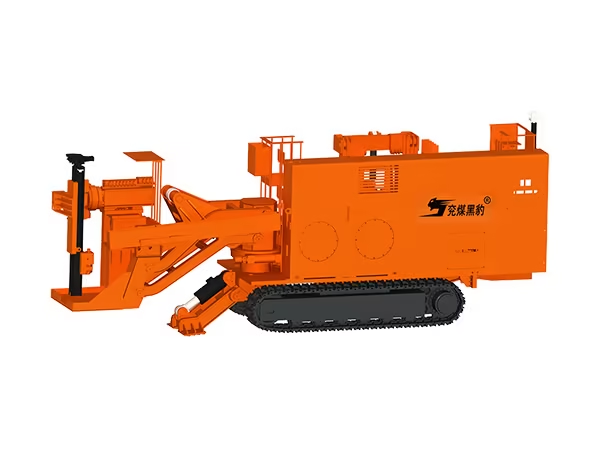
The CGYJ-22/4.2 Mining Track Beam Auxiliary Installation Vehicle demonstrates how underground mining vehicles can enhance both safety and efficiency. Its design allows simultaneous drilling and track installation, reducing operation time and minimizing labor intensity. This vehicle’s modular design ensures compatibility with multiple track models, offering flexibility for different underground projects.
Key Features of the CGYJ-22/4.2 Vehicle
- Safety & Efficiency Enhancement: Reduces operation time, ensuring faster and higher-quality track installation.
- Simultaneous Drilling and Track Installation: Streamlines operations and reduces the need for multiple machines.
- Reduced Labor Intensity: Mechanized processes reduce physical strain on workers.
- Modular Design: Compatible with a variety of track models for flexible deployment.
Product Parameters Table
| Parameter | Unit | Technical Specification |
|---|---|---|
| Applicable roadway dimensions (W×H) | m | W: 3-5.5 H: 2.8-4.7 |
| Minimum turning radius in operation | mm | 4500 |
| Working width of the stabilizer | mm | 1500 |
| Overall dimensions (L×W×H) | mm | 6790×1500×2600(±50) |
| Track storage capacity | pcs | 10 |
| Drilling diameter | mm | φ28-φ32 |
| Drilling depth | m | 0-15 |
| Machine weight | t | 18±5% |
| Operating voltage | V | 660/1140 |
| Total power | kW | 45 |
| Rated torque | N·m | 400 |
| Gradeability | ° | ±18 |
This table highlights the key operational specifications, showing how careful design contributes to safer, more effective underground mining operations.
Best Practices for Maintaining Underground Mining Vehicles
To ensure long-term safety and reliability:
- Scheduled Maintenance: Replace worn components and lubricate moving parts regularly.
- Record Keeping: Document inspections, repairs, and operator reports.
- Continuous Training: Provide ongoing safety and technical training for operators.
- Adaptation to Environment: Adjust operational procedures based on tunnel conditions, slope angles, and load requirements.
Conclusion
Underground mining vehicles are indispensable tools in modern mining operations. Following essential safety tips—such as regular inspections, proper operator training, adherence to speed and load limits, and utilizing advanced safety features—can significantly reduce risks and improve efficiency. Vehicles like the CGYJ-22/4.2 Mining Track Beam Auxiliary Installation Vehicle exemplify how safety and productivity can be enhanced simultaneously. By implementing these strategies, mining operations can protect workers while optimizing underground workflows.
FAQ
Q: What are underground mining vehicles used for?
A: They are used for transporting materials, drilling, track installation, and other tasks in underground mining operations.
Q: How often should underground mining vehicles be inspected?
A: Daily pre-operation checks and scheduled maintenance are recommended to ensure safety.
Q: Can mechanized vehicles like CGYJ-22/4.2 reduce labor intensity?
A: Yes, mechanized vehicles streamline operations and reduce physical strain on workers.
Q: Are safety audits important for underground mining vehicles?
A: Absolutely. Regular safety audits help identify risks and prevent accidents before they occur.
Q: What features improve safety in underground mining vehicles?
A: Emergency brakes, alarms, automatic shutdown systems, and modular designs contribute to higher safety standards.

Welcome to Shandong Yanmei Heibao Mining Equipment Co., Ltd.! Since 2002, we’ve been redefining mining with intelligent equipment, delivering safer, more efficient, and sustainable solutions.
📌 Follow us for updates and insights:
- Facebook: Shandong Yanmei Heibao
- YouTube: Shandong Yanmei Heibao Channel
Join us to explore innovation and excellence in mining—together!