

Table of Contents
Introduction
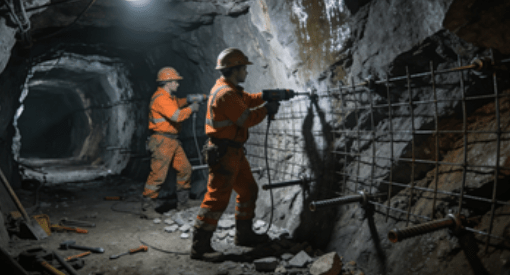
Transitioning from surface mining to underground mining is a complex process that requires careful planning, specialized equipment, and extensive workforce training. Companies face multiple challenges in geological stability, operational logistics, financial investment, and environmental management. According to the International Council on Mining and Metals (ICMM), underground mining allows access to deeper ore bodies, reduces visible environmental impacts, and can extend the life of a mine, but it introduces higher operational complexity.
Mining engineers must address issues such as tunnel stability, ventilation, water ingress, and equipment selection. Preparing for the transition from surface mining to underground mining involves both technical and strategic foresight to ensure safety, efficiency, and long-term profitability.
Geological and Structural Challenges in Transition from Surface Mining to Underground Mining
Underground mining introduces geological and structural challenges that differ significantly from surface operations.
Rock Stability and Ground Control
Underground operations require precise understanding of rock mechanics and stress distribution. Unlike surface pits, tunnels need reinforced walls to prevent collapse. Engineers typically install rock bolts and anchors to stabilize loose rock, using methods such as shotcrete and steel mesh for additional reinforcement.
Groundwater Management
Water infiltration can lead to flooding, equipment damage, and safety hazards. Underground mining often requires high-capacity pumps, sump systems, and drainage channels. Water monitoring sensors help detect sudden changes in groundwater levels to prevent operational disruptions.
Airflow and Ventilation
Maintaining adequate airflow is essential for underground mines to remove dust, toxic gases, and heat. Modern mines employ ventilation fans, ducting, and gas monitoring systems to maintain safe working conditions. Poor ventilation can cause accidents or reduce operational efficiency.
Equipment and Operational Challenges
Transitioning from surface mining to underground mining requires substantial operational adjustments and specialized equipment. Unlike surface operations, underground mining presents spatial limitations, higher safety requirements, and increased complexity in material handling. Successful transition depends on selecting the right machinery, implementing effective support systems, and preparing a well-trained workforce capable of operating in confined, high-risk environments.
Machinery Adaptation
Surface mining primarily relies on large excavators, haul trucks, and bulldozers, which are not suitable for underground tunnels due to height restrictions and narrow passageways. Underground mining requires machines specifically designed to operate in tight spaces while maintaining high efficiency. Key equipment includes:
Load-Haul-Dump (LHD) Vehicles
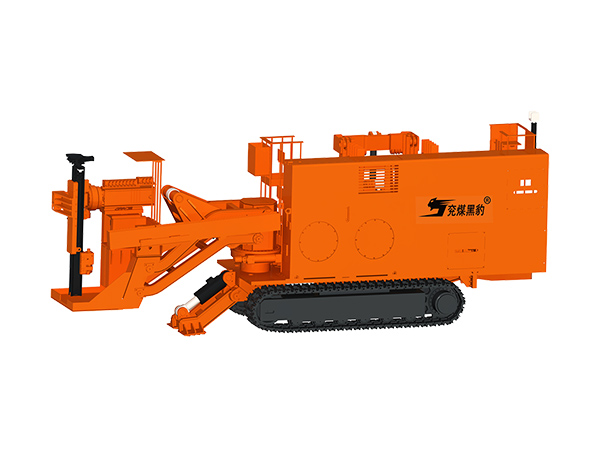
LHD machines are compact loaders designed to operate in tunnels as narrow as 3–4 meters. They handle ore loading and transport efficiently, with capacities ranging from 3 to 12 tons per cycle. Modern LHDs feature electric or diesel power options, automated guidance systems, and articulated steering to navigate complex underground layouts. According to the International Mining Association, electric LHDs can reduce diesel emissions by up to 80%, improving air quality in underground operations.
Drilling Rigs
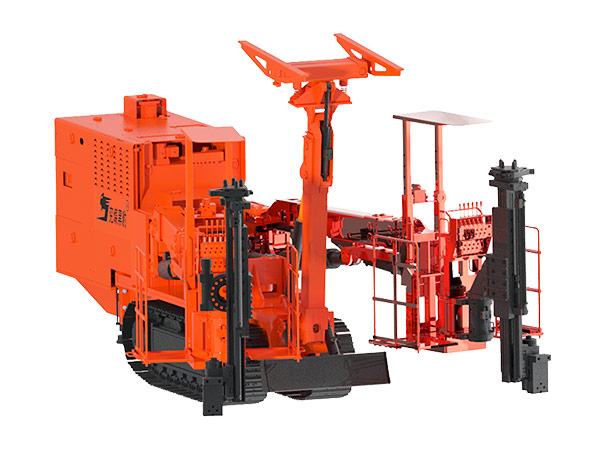
Low-profile drilling rigs are essential for creating blast holes in confined tunnels. They are designed to work under limited headroom (as low as 1.5–2 meters) and can be equipped with pneumatic or hydraulic hammers depending on rock hardness. Adjustable mast heights and automated drilling controls allow precise hole positioning, reducing overbreak and improving fragmentation.
Roof Bolting Machines
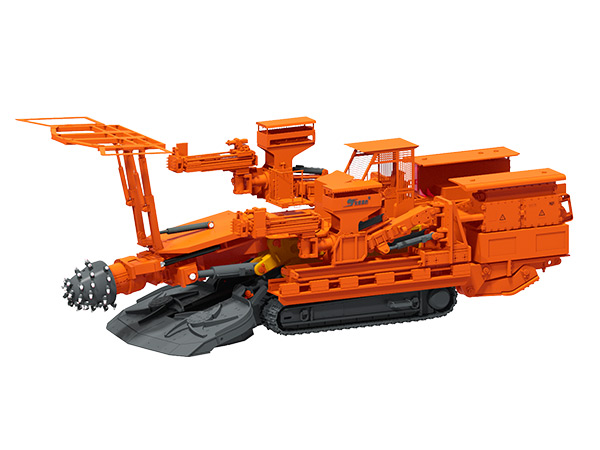
Roof bolters anchor unstable rock and provide immediate tunnel ceiling support. These machines can install mechanical or resin-anchored bolts ranging from 1.2 to 3 meters in length. Modern units feature semi-automatic operation, allowing operators to set bolt positions quickly while minimizing exposure to loose rock. Proper roof bolting reduces rock fall incidents, which account for up to 40% of underground mining accidents.
Conveyor Systems
Conveyors transport ore and waste efficiently to the surface or processing areas. Belt widths typically range from 400 mm to 1200 mm, with variable speed controls for optimal flow. Continuous conveyors reduce reliance on LHD shuttle cycles, increasing operational throughput by 20–30% in medium-scale underground mines.
Shotcrete Sprayers
Shotcrete machines apply concrete lining to tunnel walls, stabilizing excavations and preventing rock falls. Fiber-reinforced shotcrete or steel mesh can be incorporated to enhance structural support. Applications vary from temporary support for initial excavation to permanent lining in high-stress areas.
Auxiliary Equipment
Other essential machines include jackleg drills for small-scale excavations, mucking loaders for loose debris removal, and compact graders for road maintenance within tunnels.
Support and Safety Equipment
Worker safety is paramount during the transition from surface mining to underground mining. A well-equipped underground operation includes multiple layers of support and monitoring systems:
Rock Bolts and Anchors
Immediate reinforcement is critical after excavation. Rock bolts are installed along tunnel ceilings and walls to stabilize fractured rock, distributing stress and preventing collapses. Resin-anchored bolts cure quickly, allowing rapid re-entry after drilling.
Steel Mesh and Fiber Reinforcement
Applied in combination with shotcrete, steel mesh and synthetic fibers provide secondary support, preventing minor rock falls and enhancing tunnel stability. This reinforcement is particularly effective in soft or fractured rock zones.
Temporary Support Props
Adjustable props are used for short-term stabilization during excavation or equipment installation. Props can bear loads from 10 to 50 tons, depending on design, and are often used in combination with timber lagging or steel plates.
Ground Penetrating Radar (GPR) and Monitoring Systems
GPR and other geotechnical monitoring systems detect potential instability in surrounding rock, measure deformation, and track groundwater inflow. Integration with digital control systems allows predictive maintenance and early hazard identification, reducing downtime and accidents.
Emergency Escape Systems
Underground operations must include ladders, refuge chambers, and ventilation isolation systems. Refuge chambers can provide breathable air and first aid supplies for up to 48 hours during emergencies. Clear egress routes and emergency signage are mandatory according to OSHA underground mining regulations.
Workforce Training
Operating in underground environments exposes workers to unique hazards, including limited visibility, confined spaces, gas pockets, and elevated dust levels. Comprehensive training programs are essential for:
- Confined-Space Operations: Workers learn safe movement, hazard recognition, and emergency exit procedures in tunnels.
- Equipment Handling: Operators are trained on LHDs, roof bolters, drilling rigs, and shotcrete machines, focusing on maneuvering in tight spaces and coordinating with support personnel.
- Emergency Response: Simulation drills for roof falls, flooding, and gas leaks prepare staff for rapid and safe action.
- Air Quality and Ventilation Awareness: Personnel monitor and respond to gas concentrations, dust, and oxygen levels, ensuring compliance with safety regulations.
A survey by the Mining Safety Institute found that underground mines with comprehensive training programs experienced 25–30% fewer accidents compared to those with minimal workforce preparation.
Economic and Financial Considerations
Underground mining introduces higher capital and operational costs, which must be weighed against potential benefits.
Capital Expenditure
Key investments include tunnel excavation, installation of support systems, specialized underground machinery, and ventilation infrastructure. For example, a medium-scale underground mine may require $50–100 million USD upfront for equipment, safety systems, and structural reinforcements.
Operational Costs
Underground operations are more labor-intensive and energy-intensive than surface mining. Costs include:
- Equipment maintenance and replacement.
- Additional labor for ventilation, ground support, and safety monitoring.
- Energy costs for pumps, lighting, and conveyor systems.
Return on Investment
Despite higher costs, underground mining can access higher-grade ore and extend mine life by 10–30 years. A detailed feasibility study is critical to ensure profitability and risk mitigation.
Environmental and Regulatory Challenges
Environmental compliance becomes more complex underground due to confined conditions and waste handling requirements.
Waste and Tailings Management
Underground mining generates both waste rock and tailings that must be safely stored. Backfilling tunnels with processed waste minimizes surface impact. Engineers must carefully calculate volume, compaction, and stability to prevent subsidence.
Permitting and Environmental Oversight
Underground projects are subject to environmental permits for water discharge, air quality, noise, and land disturbance. Regular audits and monitoring are necessary to maintain compliance.
Community and Stakeholder Engagement
Transparency with local communities is essential, as underground operations may change the landscape or water usage patterns. Stakeholder engagement helps maintain social license to operate.
Key Equipment Checklist for Transition from Surface Mining to Underground Mining
| Equipment Type | Purpose | Notes |
|---|---|---|
| Load-Haul-Dump (LHD) Vehicles | Ore transport in confined tunnels | Low-profile, compact, high maneuverability |
| Drilling Rigs | Blast hole drilling | Adaptable to narrow tunnels, adjustable head height |
| Roof Bolting Machines | Tunnel support and stabilization | Anchor bolts to secure unstable rock |
| Shotcrete Sprayers | Wall reinforcement | Used with fiber or steel mesh to strengthen tunnels |
| Conveyor Systems | Ore and waste transport | Reduces manual labor, ensures continuous flow |
| Ventilation Fans & Ducts | Air quality and temperature control | Monitors toxic gases and maintains safe airflow |
| Ground Penetrating Radar (GPR) | Detect rock instability | Prevents collapses and improves safety planning |
| Temporary Support Props | Short-term tunnel reinforcement | Adjustable for quick stabilization |
| Emergency Escape Systems | Worker evacuation and refuge | Includes ladders, chambers, and breathable air systems |
| Pumps and Sumps | Water management | Removes groundwater, prevents flooding and equipment damage |
Strategies to Overcome Challenges
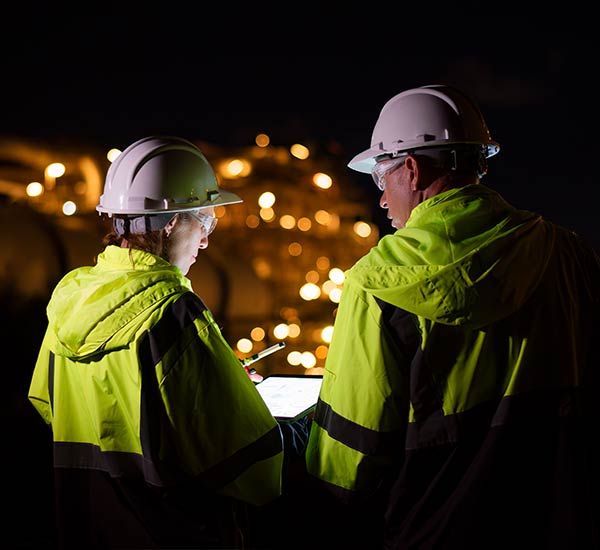
Transitioning successfully requires integrating technology, safety practices, and operational planning.
Advanced Planning and Feasibility Studies
Geotechnical surveys, 3D mine modeling, and financial simulations ensure efficient resource allocation and risk reduction.
Investment in Specialized Equipment
Automation, LHDs, roof bolters, and shotcrete sprayers increase efficiency while reducing human exposure to hazards.
Safety Protocols and Monitoring Systems
IoT-enabled sensors, digital twins, and ventilation monitoring systems allow real-time oversight. Emergency drills and training programs prepare workers for hazardous scenarios.
Environmental Mitigation
Backfilling, controlled waste disposal, and continuous water quality monitoring reduce environmental footprint. Adaptive measures like dust suppression and noise reduction ensure compliance with regulations.
Workforce Development
Upskilling personnel for underground operations improves efficiency and safety. Experienced underground engineers, geologists, and machine operators are critical for a smooth transition.
Conclusion
The transition from surface mining to underground mining is a complex and high-stakes process. Companies must navigate geological, operational, financial, and environmental challenges to succeed. Preparing the right equipment—including LHD vehicles, roof bolting machines, shotcrete sprayers, and ventilation systems—ensures safe and efficient underground operations. By implementing careful planning, workforce training, and technological integration, mining operations can achieve sustainable production while accessing deeper ore deposits.
A well-managed transition maximizes resource recovery, extends mine life, and mitigates environmental and social impacts, offering long-term strategic benefits to mining enterprises.
FAQ
Q1: Why do companies shift from surface to underground mining?
A1: To access deeper ore deposits, extend mine life, reduce environmental impact, and increase resource recovery efficiency.
Q2: What are the essential equipment for underground mining?
A2: Load-haul-dump vehicles, drilling rigs, roof bolting machines, shotcrete sprayers, conveyor systems, ventilation fans, and emergency systems.
Q3: How does underground mining cost compare to surface mining?
A3: Underground mining is 30–50% more expensive per ton due to specialized equipment, labor, and complex logistics, but can access higher-value ore.
Q4: How is worker safety ensured during the transition?
A4: Safety is maintained with ventilation, monitoring, ground support, emergency systems, and comprehensive workforce training.
Q5: Can environmental impact be minimized?
A5: Yes. Proper backfilling, water management, and dust/noise control reduce environmental footprint and comply with regulations.

Welcome to Shandong Yanmei Heibao Mining Equipment Co., Ltd.! Since 2002, we’ve been redefining mining with intelligent equipment, delivering safer, more efficient, and sustainable solutions.
📌 Follow us for updates and insights:
- Facebook: Shandong Yanmei Heibao
- YouTube: Shandong Yanmei Heibao Channel
Join us to explore innovation and excellence in mining—together!