

Table of Contents
Introduction
Underground coal mine tunnels are lifelines for miners, equipment, and production efficiency. Proper maintenance of tunnel is not only crucial for operational continuity but also for the safety of workers. Neglecting routine inspections or cutting corners can lead to catastrophic accidents, equipment failure, and production delays.
Mining authorities worldwide, including the Mine Safety and Health Administration (MSHA), emphasize that tunnel maintenance is a top priority for preventing collapse, gas accumulation, flooding, and other hazards. Despite strict regulations, dangerous oversights remain common due to cost pressures, inadequate training, or outdated practices.
This article explores 5 dangerous oversights in maintenance of tunnel work, the consequences of these errors, and practical strategies to prevent them.
Ignoring Structural Integrity Inspections
Understanding Structural Risks
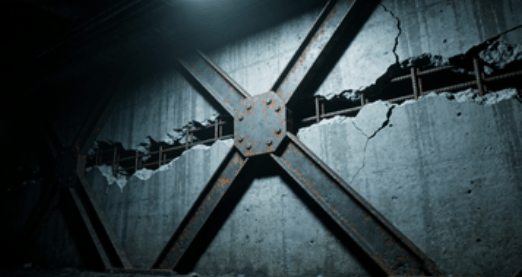
The structural integrity of a tunnel is fundamental to miner safety. Weak support beams, degraded rock walls, and compromised linings can lead to collapses. Regular inspections, including geotechnical surveys and load-bearing assessments, are essential.
Common Mistakes
- Skipping scheduled inspections due to operational pressures
- Failing to monitor stress fractures or wall deformations
- Relying solely on visual inspection without advanced sensing
Expert Insight
According to Dr. Samuel Ortiz, a mining safety consultant, “Neglecting structural assessments increases the likelihood of tunnel collapse exponentially. Even minor cracks, if unmonitored, can escalate into catastrophic failures within months.”
Improper Ventilation and Gas Management
Importance of Tunnel Ventilation
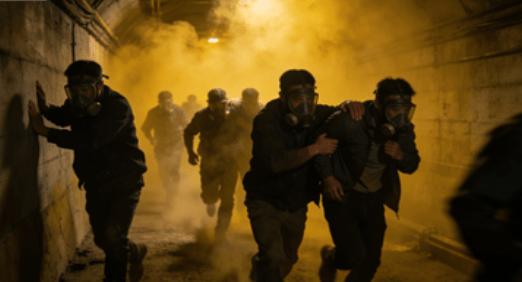
Proper ventilation is critical to ensure air quality and prevent accumulation of hazardous gases such as methane and carbon monoxide. Overlooking maintenance of tunnel ventilation systems can result in explosions or asphyxiation.
Typical Oversights
- Ignoring routine fan and duct inspections
- Failing to calibrate gas detection systems
- Not updating ventilation plans after layout changes
Research Findings
A study published in the Journal of Mining Safety found that poor ventilation maintenance contributed to 28% of underground mine accidents in the past decade. Continuous monitoring and adherence to ventilation protocols are non-negotiable.
Neglecting Water and Drainage Management
Risks of Flooding
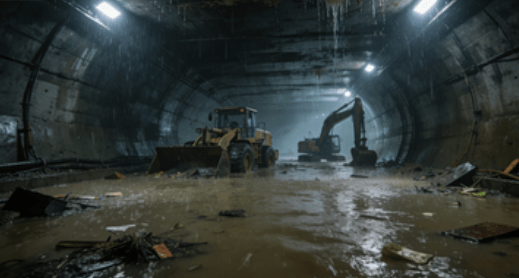
Water accumulation can weaken tunnel walls, corrode supports, and create slip hazards. Effective maintenance of tunnel drainage systems, pumps, and sump areas is vital to prevent flooding.
Common Errors
- Failing to clean or inspect drainage channels
- Ignoring pump maintenance schedules
- Overlooking water leakage signs on walls or floors
Preventive Measures
Routine checks and predictive maintenance of drainage infrastructure significantly reduce downtime and prevent costly repairs. Mines implementing smart monitoring systems report up to 40% fewer water-related incidents annually.
Inadequate Electrical and Equipment Checks
Electrical Hazards
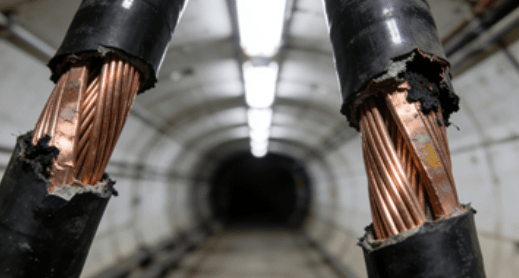
Tunnels rely on lighting, communication, and conveyor systems. Faulty wiring or unmaintained electrical equipment can spark fires or interrupt operations.
Typical Oversights
- Skipping routine inspections of cable trays and junction boxes
- Using outdated or non-certified electrical components
- Failing to test emergency backup systems
Expert Recommendation
Electrical engineer John Patel highlights, “Underground electrical failures are preventable with a strict maintenance schedule. Even minor faults can escalate quickly in the confined tunnel environment.”
Ignoring Emergency Preparedness and Safety Drills
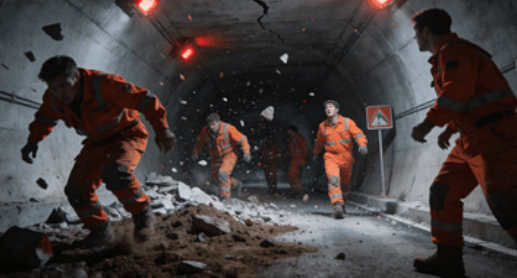
Importance of Drills and Safety Systems
Even with perfect physical maintenance, human error or unforeseen events can cause accidents. Ignoring emergency drills, escape routes, and alarm systems is a major oversight in maintenance of tunnel practices.
Common Mistakes
- Conducting drills less than recommended
- Not updating evacuation routes after tunnel modifications
- Failing to train staff on new safety equipment
Benefits of Proper Preparedness
Regular drills and well-maintained emergency systems reduce response time during incidents and save lives. Data from global mining operations show that well-prepared crews reduce injury rates by 35% during tunnel emergencies.
Table: Common Oversights in Maintenance of Tunnel Work
| Oversight | Risk Level | Consequences | Preventive Measures |
|---|---|---|---|
| Ignoring structural inspections | High | Tunnel collapse, injuries | Geotechnical surveys, regular inspections |
| Poor ventilation maintenance | High | Gas buildup, explosions | Routine fan checks, gas detection calibration |
| Neglecting water management | Medium | Flooding, wall erosion | Pump maintenance, drainage cleaning |
| Inadequate electrical checks | Medium | Fires, equipment failure | Wiring inspections, emergency backup tests |
| Ignoring emergency drills | High | Delayed response, higher injuries | Regular drills, updated escape routes |
Conclusion
The consequences of these five dangerous oversights demonstrate the critical need for disciplined maintenance of tunnel practices. Regular inspections, predictive maintenance, safety drills, and system monitoring are not optional—they are essential. Mines adopting strict maintenance schedules and modern monitoring technologies report higher productivity, lower accident rates, and enhanced long-term operational reliability.
Ultimately, a well-maintained tunnel protects lives, ensures uninterrupted production, and supports sustainable mining operations. Mining managers, engineers, and workers must remain vigilant, integrating lessons from past incidents into daily maintenance routines.
FAQ
Q: How often should tunnel structural inspections occur?
Monthly visual inspections and quarterly geotechnical surveys are recommended, with more frequent checks in high-risk areas.
Q: What is the best method to monitor gases in tunnels?
Use continuous electronic gas detectors calibrated regularly, along with manual spot checks.
Q: How can water-related risks be minimized?
Regularly clean drainage channels, maintain pumps, and install monitoring sensors for early leak detection.
Q: Are emergency drills really necessary?
Yes, drills ensure workers can evacuate safely during accidents and reduce injury rates significantly.
Q: What technologies improve tunnel maintenance efficiency?
Sensors for structural stress, gas monitoring, smart pumps, and IoT-based predictive maintenance systems all enhance operational safety and reliability.
Welcome to Shandong Yanmei Heibao Mining Equipment Co., Ltd.! Since 2002, we’ve been redefining mining with intelligent equipment, delivering safer, more efficient, and sustainable solutions.
📌 Follow us for updates and insights:
- Facebook: Shandong Yanmei Heibao
- YouTube: Shandong Yanmei Heibao Channel
Join us to explore innovation and excellence in mining—together!