

Table of Contents
Introduction
Anchor drill rigs are essential in modern construction, mining, tunneling, and infrastructure projects, providing precise drilling for anchors that stabilize rock faces, tunnels, retaining walls, and heavy machinery foundations. These machines, while highly efficient, carry significant operational hazards if safety standards are not strictly followed.
Global demand for anchor drill rigs has surged in recent years due to large-scale infrastructure development. According to the International Tunneling and Underground Space Association (ITA), over 12,000 new anchor drill rigs are deployed globally each year, with Asia-Pacific accounting for approximately 45% of the market, North America 25%, and Europe 20%. Despite technological advances, workplace incidents involving drill rigs still occur, highlighting the importance of rigorous safety protocols, proper training, and advanced equipment design.
This article provides an authoritative guide to anchor drill rig safety standards, covering regulations, operational best practices, equipment types, hazard assessment, maintenance protocols, emerging technologies, and real-world examples. It is designed for site managers, operators, engineers, and safety professionals aiming to reduce accidents and improve operational efficiency.
Understanding Anchor Drill Rig Safety
Safety in anchor drill rig operations is multi-dimensional, combining engineering design, operator skill, environmental awareness, and regulatory compliance. Effective safety practices reduce accident rates, protect workers, and ensure consistent project performance.
Key Safety Considerations for Anchor Drill Rigs
Machine Design and Structural Integrity
Anchor drill rigs are designed to withstand extreme torque, vibration, and repetitive operational stress. Structural failures can cause tipping, uncontrolled movements, or drill malfunction. Manufacturers adhere to ISO 12100 safety standards, emphasizing risk assessment, hazard elimination, and operator protection.
Operator Training and Certification
Operators must undergo formal training programs, including hands-on drills and simulation scenarios. Certifications such as OSHA-compliant programs in the U.S. or ISO 9001-based modules internationally ensure operators understand safety protocols and operational limitations. Studies indicate that properly trained operators reduce equipment-related accidents by up to 40%.
Personal Protective Equipment (PPE) Requirements
Appropriate PPE is mandatory: hard hats, safety glasses, hearing protection, gloves, steel-toed boots, and high-visibility clothing. PPE compliance follows standards such as ISO 20345 for footwear and ISO 11611 for protective clothing. On-site surveys show that strict PPE usage reduces injury severity in drill rig incidents by over 60%.
Worksite Hazard Assessment
Before drilling, supervisors conduct risk assessments to identify:
- Ground stability issues
- Overhead obstacles and confined space hazards
- Proximity to other machinery
- Environmental hazards, including dust, fumes, or weather conditions
A structured pre-operation risk checklist reduces operational hazards by identifying potential incidents before drilling begins.
Maintenance and Inspection Protocols
Regular inspections of hydraulic systems, electrical components, drill heads, and safety interlocks are critical. Preventive maintenance ensures that small issues are corrected before they lead to accidents. Sites with structured maintenance schedules report a 35–50% reduction in mechanical failures.
Common Anchor Drill Rig Safety Standards
Safety standards are defined by international, regional, and local regulations. Compliance ensures legal adherence and improves operational safety.
International Standards
- ISO 12100 – Machinery Safety: Risk Assessment and Risk Reduction
- ISO 14120 – Guards for Machinery: Fixed and Movable Guards
- ISO 5006 – Earth-moving Machinery: Operator Field of View
These standards govern machine design, operator visibility, protective guards, and emergency shutdown mechanisms.
Regional and National Regulations
- United States (OSHA 29 CFR 1926): Emphasizes operator training, hazard communication, and equipment inspection.
- European Union (CE Standards): CE marking ensures compliance with EU machinery directives, including safety and control system requirements.
- Australia (SafeWork Guidelines): Enforces site-specific risk assessment, mechanical safety compliance, and incident reporting.
Built-in Safety Features in Modern Anchor Drill Rigs
- Emergency stop buttons and control cutoffs
- Hydraulic lockout systems
- Anti-tip stabilizers and outriggers
- ROPS/FOPS protective cabins
- Automatic overload detection systems
Incorporating these features alongside procedural safety standards reduces human error and improves overall site safety.
Types of Anchor Drill Rigs and Safety Implications
Understanding different anchor drill rig types allows operators to implement type-specific safety measures.
Hydraulic Anchor Drill Rigs
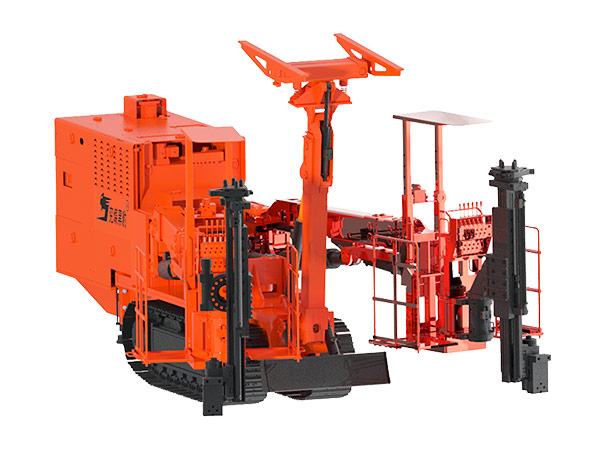
Hydraulic rigs provide high drilling precision and power. Key safety considerations:
- Hydraulic fluid monitoring to prevent leaks
- Stability checks during deep drilling
- Regular inspection of hose connections and actuators
Field data shows that proper hydraulic monitoring reduces tip-over incidents by up to 25%.
Electric-Powered Anchor Drill Rigs
Electric rigs offer low emissions and reduced noise but require:
- Proper grounding and insulation checks
- Cable management to prevent tripping
- Awareness of electrical hazards in damp environments
Portable and Mini Anchor Drill Rigs
These rigs are ideal for confined spaces. Safety considerations include:
- Maintaining stability on uneven surfaces
- Operator positioning to avoid entrapment
- Ensuring adequate visibility and communication with nearby workers
Automated/AMR-Integrated Anchor Drill Rigs
Remote-controlled or automated rigs reduce human exposure to hazards but require:
- Advanced monitoring of machine status
- Fail-safe emergency stop protocols
- Regular software and sensor calibration
Table: Comparison of Anchor Drill Rig Types and Safety Features
| Drill Rig Type | Typical Use | Safety Advantages | Common Hazards | Recommended PPE |
|---|---|---|---|---|
| Hydraulic Anchor Drill | Large-scale construction | Precise control, overload sensors | Hydraulic leaks, tipping | Hard hat, gloves, steel-toed boots |
| Electric Anchor Drill | Indoor or low-emission projects | Low noise, no fuel spills | Electrical shock, cord entanglement | Insulated gloves, eye protection |
| Portable/Mini Drill | Confined spaces, urban works | Easy maneuverability | Instability, limited operator visibility | Hard hat, reflective vest, ear protection |
| Automated/AMR Drill Rig | Mining automation | Remote operation, reduced human exposure | System malfunction, collision | Remote monitoring, PPE during maintenance |
Best Practices for Safe Anchor Drill Rig Operations
Pre-Operation Checks
- Hydraulic and electrical system verification
- Drill bit integrity and fastener inspection
- Emergency stop testing
- Ground stability assessment
Operational Guidelines
- Maintain safe distances from personnel and machinery
- Operate within manufacturer-specified limits
- Monitor for abnormal vibrations or noises
Emergency Preparedness
- Operators must know shutdown protocols
- First aid and fire extinguishers accessible
- Regular drills to simulate emergencies
Maintenance Practices
- Adhere to manufacturer maintenance schedules
- Replace worn components promptly
- Keep detailed maintenance logs for compliance audits
A study by the Construction Safety Institute (CSI) indicates sites that strictly follow these practices experience incident rates 35% lower than industry averages.
Innovations in Anchor Drill Rig Safety
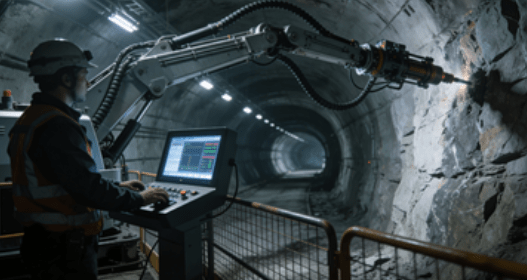
Sensor-Based Monitoring
Sensors track hydraulic pressure, vibration, tilt angles, and operator fatigue, sending alerts to prevent accidents.
Remote-Controlled and AMR-Integrated Rigs
Automated or remote-controlled rigs allow operators to work from safe distances, minimizing human exposure in hazardous zones.
Automated Emergency Stop Systems
Modern rigs automatically halt operation under abnormal conditions, such as tipping, excessive vibration, or hydraulic failure.
Predictive Safety Analytics
Real-time data collection enables predictive maintenance and hazard detection, reducing downtime and accidents.
Dr. Henrik Larsen, Senior Safety Engineer at MiningTech Solutions, notes: “Incorporating sensor technology and remote operation into anchor drill rigs has revolutionized safety management, reducing human exposure by 70% in high-risk mining operations.”
Global Case Studies
Case 1: European Tunnel Project
A tunnel construction site in Germany integrated automated anchor drill rigs with full sensor monitoring. Over 12 months, the project reported zero tip-over incidents, compared to five in the previous year using manual rigs.
Case 2: Asia-Pacific Mining Operation
A copper mine in Chile deployed hydraulic anchor drill rigs with predictive maintenance. Equipment downtime decreased by 22%, and operator injuries fell by 45%.
Case 3: U.S. Urban Infrastructure
Portable mini rigs were used for subway renovation. Pre-operation hazard checklists and operator training reduced near-miss incidents by 38% in six months.
Regulatory Compliance Checklist
Operators and site managers must ensure:
- CE or ISO certification for equipment
- OSHA, SafeWork, or local authority compliance
- Daily inspection logs and monthly comprehensive audits
- Proper documentation of operator training and PPE compliance
Environmental and Operational Considerations
Noise Control
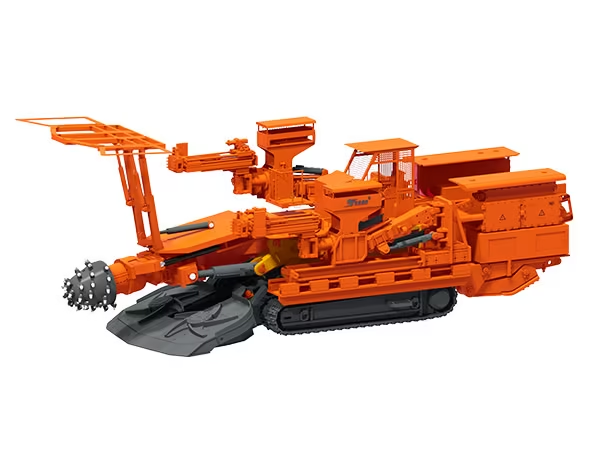
Anchor drill rigs generate 85–100 dB of noise. Compliance with local noise ordinances requires soundproofing or limiting operation hours.
Emissions
Hydraulic diesel rigs produce particulate emissions; electric rigs mitigate this, making them preferable for indoor or urban projects.
Terrain Adaptability
Safety standards must adapt to uneven terrain, slopes, and confined spaces to prevent tipping and ensure consistent drilling performance.
Conclusion
Anchor drill rigs are indispensable in modern construction, mining, and tunneling projects. Ensuring safety requires strict adherence to international standards, proper operator training, rigorous pre-operation checks, and the adoption of emerging technologies.
By implementing these measures, companies can reduce accidents, improve efficiency, extend equipment lifespan, and maintain regulatory compliance. Safety in anchor drill rig operations is not optional—it is critical to operational success and human well-being.
FAQ
Q1: What is the function of an anchor drill rig?
A1: It creates precise holes for anchors, stabilizing tunnels, walls, and heavy machinery foundations.
Q2: How do hydraulic and electric anchor drill rigs differ in safety requirements?
A2: Hydraulic rigs need careful fluid monitoring and stability checks, while electric rigs require electrical safety measures like grounding and insulation.
Q3: How often should anchor drill rigs be inspected?
A3: Daily pre-operation checks and monthly comprehensive inspections, plus extra checks after abnormal operations.
Q4: Can AMR anchor drill rigs operate safely in mines?
A4: Yes, remote operation reduces human exposure, but sensors and emergency stop protocols are essential.
Q5: What technological innovations improve safety?
A5: Sensor-based monitoring, predictive analytics, automated emergency stops, and AMR/remote operation all enhance safety.
Q6: Are portable anchor drill rigs safe for urban projects?
A6: Yes, with proper stability checks, operator positioning, and hazard assessments, portable rigs are safe in confined urban spaces.

Welcome to Shandong Yanmei Heibao Mining Equipment Co., Ltd.! Since 2002, we’ve been redefining mining with intelligent equipment, delivering safer, more efficient, and sustainable solutions.
📌 Follow us for updates and insights:
- Facebook: Shandong Yanmei Heibao
- YouTube: Shandong Yanmei Heibao Channel
Join us to explore innovation and excellence in mining—together!