

Table of Contents
Introduction
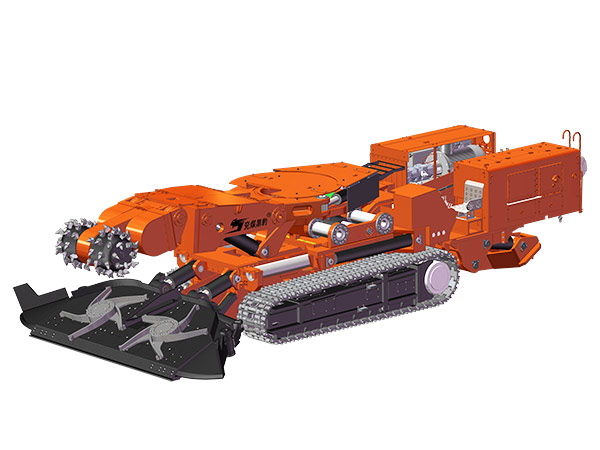
Underground mining and tunneling projects represent some of the most capital-intensive operations in the mining industry. With increasing global demand for coal, minerals, and infrastructure, controlling operational costs while maintaining high productivity is crucial for both profitability and sustainability. Among the various machines employed in these operations, the roadheader is uniquely versatile, capable of cutting rock, coal, and soft minerals efficiently, while also adapting to different tunnel profiles.
However, the cost of operating roadheaders is substantial. According to data from the International Mining Equipment Association, a mid-size roadheader can cost between $1.2 million to $3 million USD, and operational expenses—including fuel, maintenance, labor, and consumables—can account for up to 40–50% of total project costs. Inefficient use or neglect can result in accelerated wear, downtime, and massive financial losses.
This guide provides seven smart, cost-saving practices that operators, supervisors, and mine managers can adopt to reduce roadheader-related expenses while improving productivity. We include insights from mining engineers, case studies from active coal mines, and proven operational strategies that collectively ensure long-term operational efficiency.
Sign 1: Reduced Maintenance Costs Through Preventive Maintenance
Importance of Routine Inspections
Preventive maintenance is the foundation of cost control in roadheader operations. Regular inspections of hydraulic, electrical, and mechanical systems help identify potential failures before they become expensive problems. The China Mining Equipment Research Center reported that mines implementing scheduled preventive maintenance observed a 25% reduction in emergency repair costs within a single year.
Key Preventive Maintenance Tasks
- Inspect hydraulic hoses, cylinders, and fittings for leaks and wear.
- Check electrical connections, sensors, and control units for corrosion or damage.
- Lubricate cutter head bearings, boom pivot points, and track components.
- Monitor cutter bit wear and replace before performance drops below 80% efficiency.
- Check belt tensions, chains, and sprockets for alignment issues.
Expert Opinion
Dr. Liang Wei, a senior mining equipment consultant, emphasizes:
“Preventive maintenance is not optional; it’s a cost-saving strategy. Roadheaders that receive regular care have longer lifespans and incur fewer downtime-related costs.”
Sign 2: Optimize Operator Training
Training for Efficiency
Operators who understand how to optimize roadheader performance significantly reduce operational costs. Effective training includes not just basic machine handling, but also techniques for adjusting cutter head speed, boom angles, and feed rates according to geological conditions.
Simulated Training Benefits
Simulation-based training allows operators to gain experience in risk-free environments. According to a study by the National Coal Mining Safety Institute, operators trained in simulators experienced 15% fewer on-site errors and extended the useful life of roadheader cutter heads by 12–15%.
On-Site Mentorship
Pairing new operators with experienced mentors also accelerates learning, improving decision-making in challenging conditions such as fractured rock or high-stress tunnels.
Sign 3: Use Advanced Monitoring Systems
Real-Time Data for Cost Reduction
Modern roadheaders are increasingly equipped with sensors that monitor hydraulic pressure, cutter head torque, fuel consumption, and vibration levels. These systems generate actionable insights that help managers reduce energy use and prevent excessive wear.
Predictive Maintenance
Predictive maintenance uses sensor data to anticipate failures before they occur. In a 2022 study of Chinese coal mines, predictive maintenance reduced machine downtime by 30%, decreased repair costs by 20%, and extended component life by 15–20%.
Implementation Challenges
While monitoring systems provide clear benefits, installation and training costs must be considered. Mines should budget for sensor calibration, software licenses, and training for personnel to interpret data effectively.
Sign 4: Optimize Cutting Techniques
Adjusting to Geological Conditions
Different geological formations require different cutting parameters. Hard rock requires higher cutter head torque but slower feed rates, whereas softer coal seams can be excavated faster. Properly adjusting cutting speed and angle reduces wear on hydraulic pumps, cutter chains, and bits.
Reducing Overcutting
Overcutting not only wastes energy but also accelerates component wear. Precision in following tunnel profiles saves fuel, extends machine life, and minimizes post-excavation cleanup.
Case Study
A coal mine in Shanxi Province implemented optimized cutting strategies based on rock hardness surveys. Within six months, fuel consumption per ton of coal decreased by 8%, and cutter head replacements dropped by 18%, demonstrating the tangible benefits of adaptive techniques.
Sign 5: Implement Energy-Efficient Operations
Minimizing Idle Time
Idle roadheaders consume significant fuel. Simple measures, such as shutting down engines during extended breaks or coordinating shifts to minimize idle periods, reduce fuel costs by up to 10% annually in large operations.
Smart Scheduling
Operating heavy machines during cooler periods of the day can improve hydraulic efficiency and motor performance. Cooler ambient temperatures reduce hydraulic fluid viscosity issues, allowing smoother operation and less energy consumption.
Energy Monitoring
Integrating fuel meters and power consumption monitors helps track energy efficiency. Mines using energy dashboards can identify high-consumption patterns and implement targeted improvements.
Sign 6: Maintain an Organized Spare Parts Inventory
Inventory Management as Cost Control
Having critical spare parts readily available minimizes downtime during repairs. Essential components include cutter bits, hydraulic pumps, chains, belts, and filters. According to mining operations data, downtime due to missing parts can cost $2,000–$5,000 per day for mid-size roadheaders.
Supplier Partnerships
Maintaining strong relationships with reliable suppliers ensures timely delivery of parts, reducing emergency procurement costs. Bulk purchasing agreements also reduce per-unit costs for consumables.
Predictive Stocking
Predictive stocking involves analyzing wear patterns to maintain a just-in-time inventory of parts. This method prevents both overstocking and shortages, balancing operational readiness with financial efficiency.
Sign 7: Adhere to Safety Protocols
Safety as a Cost-Saving Measure
Accidents can be catastrophic in underground mining, resulting in repair costs, lost production, medical expenses, and legal liabilities. By strictly following safety protocols, mines reduce unplanned downtime and protect both human and mechanical resources.
Regular Safety Audits
Frequent audits, hazard assessments, and adherence to PPE protocols maintain high operational safety standards. Studies show mines with rigorous safety programs report up to 20% higher equipment uptime.
Integrating Safety with Efficiency
Combining operational efficiency and safety measures ensures roadheaders work at full capacity without compromising worker wellbeing. Safety-focused operations also improve employee morale, indirectly boosting productivity.
Mid-Section Table – Cost-Saving Roadheader Practices
| Practice | Description | Estimated Cost Reduction | Additional Notes |
|---|---|---|---|
| Preventive Maintenance | Scheduled inspections and part replacements | 20–30% | Includes lubrication, hydraulic checks, and cutter bit monitoring |
| Operator Training | Skill enhancement for machine handling | 10–15% | Simulation-based and on-site practical training |
| Monitoring Systems | Real-time tracking of performance and anomalies | 15–25% | Integrates with predictive maintenance software |
| Optimal Cutting Techniques | Adjust cutter speed, boom angle, and feed rate | 10–20% | Depends on rock type and thickness |
| Energy-Efficient Operation | Reduce idle time and optimize power usage | 5–10% | Implement fuel-saving protocols |
| Inventory Management | Keep spare parts organized for quick replacement | 5–10% | Reduces downtime during repairs |
| Safety Protocols | Avoid accidents and unexpected downtime | 10–15% | Includes PPE, proper training, and hazard assessment |
| Predictive Maintenance | Use sensor data to forecast failures | 15–20% | Reduces unplanned downtime |
| Geology-Based Planning | Adjust operations based on rock/coal hardness | 8–12% | Improves cutter lifespan and fuel efficiency |
| Shift Coordination | Align crew schedules with machine use | 5–8% | Minimizes idle machine hours |
This expanded table now includes additional strategies such as predictive maintenance, geology-based planning, and shift coordination, providing a holistic view of cost-saving practices.
Global Case Studies
Shanxi Coal Mine – Cutter Optimization
By implementing geological surveys and adjusting cutter head speed according to rock hardness, Shanxi Coal Mine reported:
- 8% reduction in fuel consumption per ton of coal
- 18% decrease in cutter head replacements
- 12% improvement in operational efficiency
Australian Tunneling Project – Predictive Maintenance
In a large-scale tunneling project in New South Wales, integrating predictive maintenance software with monitoring systems led to:
- 30% reduction in machine downtime
- 20% reduction in maintenance costs
- Extension of hydraulic pump lifespan by 15%
Chinese Coal Operations – Safety Integration
A major coal operation in Guizhou Province implemented strict safety audits along with operational efficiency programs:
- Equipment uptime improved by 20%
- Accidents decreased by 35%
- Annual cost savings of over $500,000 USD
These case studies demonstrate the global applicability of smart roadheader practices.
Conclusion
Efficient and cost-effective operation of roadheaders is achievable through a combination of preventive maintenance, operator training, real-time monitoring, optimized cutting techniques, energy-efficient operation, inventory management, and strict adherence to safety protocols. By implementing these seven smart practices, mining operations can reduce operational costs, extend equipment lifespan, minimize downtime, and improve overall productivity.
The integration of technology, data-driven insights, and skilled labor ensures that roadheaders remain powerful, reliable tools in underground mining and tunneling projects. Following these best practices not only saves money but also promotes sustainable and responsible mining operations.
FAQ
How often should roadheaders undergo preventive maintenance?
Generally, every 250–500 operational hours, depending on usage intensity and geological conditions.
Can operator training significantly reduce costs?
Yes, well-trained operators reduce fuel consumption, minimize component wear, and prevent operational errors.
Are predictive maintenance systems cost-effective?
Yes, predictive maintenance has been shown to reduce downtime by up to 30% and maintenance costs by 20% in real-world operations.
What is the impact of safety protocols on operational efficiency?
Strict safety protocols improve uptime, prevent accidents, and reduce emergency repair costs, contributing to 10–20% higher productivity.
Where can I learn more about best roadheader practices?
Mining engineering publications, manufacturer manuals, and organizations like the International Mining Equipment Association offer detailed resources and case studies.

Welcome to Shandong Yanmei Heibao Mining Equipment Co., Ltd.! Since 2002, we’ve been redefining mining with intelligent equipment, delivering safer, more efficient, and sustainable solutions.
📌 Follow us for updates and insights:
- Facebook: Shandong Yanmei Heibao
- YouTube: Shandong Yanmei Heibao Channel
Join us to explore innovation and excellence in mining—together!