

Key Points Covered in This Blog
- Why coal mine tunnel maintenance is critical for safety and productivity
- Differences between scheduled and emergency tunnel maintenance
- Core equipment used for tunnel maintenance and their specifications
- Operational strategies for proactive and reactive maintenance
- Comparative analysis of repair approaches with real-world data
- Case studies showcasing efficiency improvements
- Common challenges and solutions in tunnel maintenance
- FAQs addressing practical concerns for mining operators
- Future trends in tunnel maintenance and automation
Table of Contents
Introduction
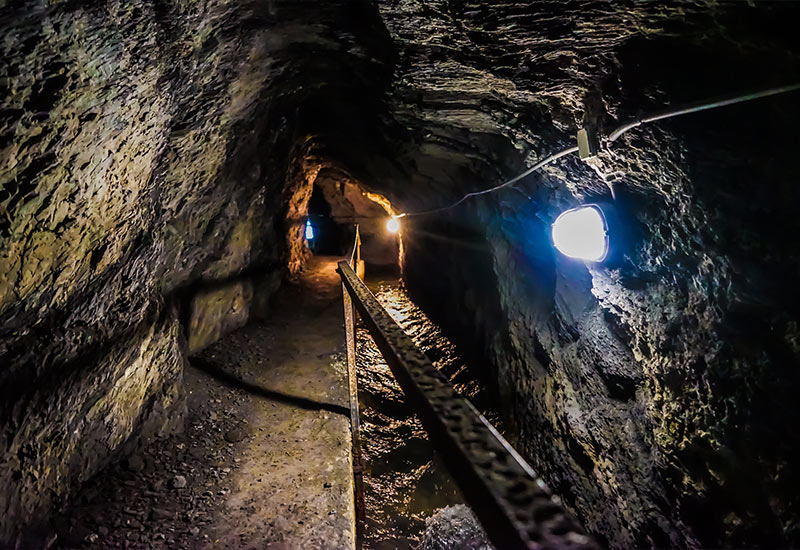
Coal mining is a complex and hazardous industry. One of the biggest challenges faced by mine operators is maintaining the integrity of tunnels and roadways, which are constantly exposed to geological pressures, water seepage, and wear from mining equipment. According to the International Mining Safety Organization (IMSO, 2023), more than 40% of underground mining incidents are related to tunnel collapses, floor instability, or equipment collisions in poorly maintained roadways.
Proper tunnel maintenance is not just about avoiding accidents—it directly impacts productivity, equipment lifespan, and operational costs. Scheduled maintenance minimizes unexpected downtime, while emergency repairs address urgent failures that could halt operations or endanger workers.
Key reasons to invest in tunnel maintenance:
- Reduces the likelihood of roof collapses and floor failures
- Extends the operational life of the roadway
- Enhances the efficiency of mining machinery
- Optimizes labor costs and operational scheduling
This guide will cover scheduled vs emergency maintenance, introduce modern equipment solutions, provide comparative insights, and highlight case studies demonstrating the impact of proactive tunnel maintenance.
Scheduled Tunnel Maintenance: Proactive Approach for Safety and Efficiency
What Is Scheduled Maintenance?
Scheduled maintenance refers to planned inspections, minor repairs, and preventive operations performed at regular intervals to maintain tunnel integrity.
Key practices include:
- Routine inspections of tunnel walls, roofs, and floors
- Monitoring water seepage and drainage systems
- Checking and maintaining roadway support structures like steel beams and anchors
Industry Data:
- Scheduled maintenance in coal mines can reduce emergency repairs by up to 60%
- Annual inspection and repair cycles reduce operational downtime by 15–25%
Equipment Optimized for Scheduled Maintenance
WPZ-SERIES Roadway Repair Machine
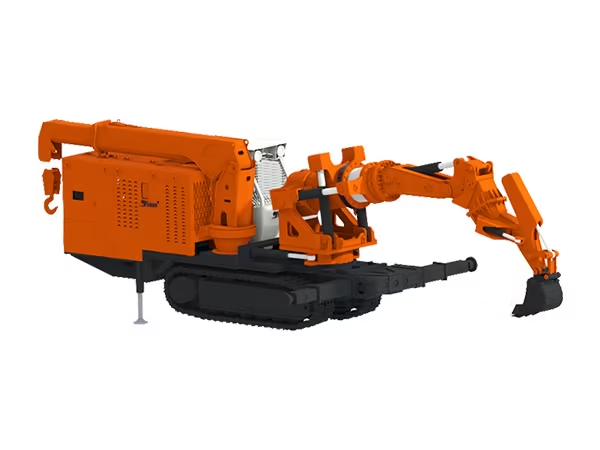
- Performs flitching, floor dinting, coal-rock and semi-coal-rock slotting, and 36U steel beam shearing (WPZ-75 exclusive)
- Rapid attachment change: six tools swapped in 2 minutes
- Easy operation using excavator-like controls
- Energy-efficient hydraulic system with cushioning for smooth operation
WPE-7.5/24 Crushing and Loading Dinting Machine
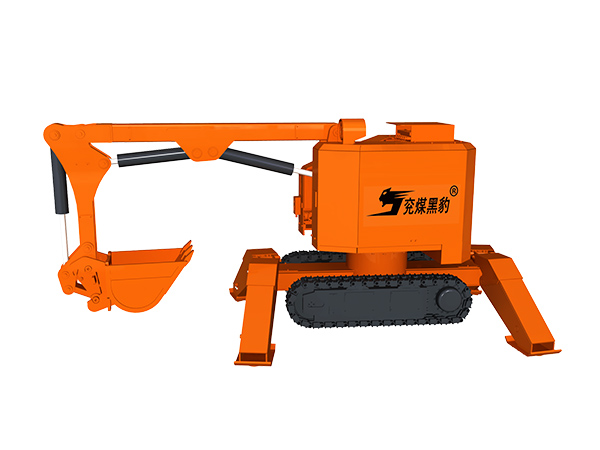
- Tasks: flitching, floor dinting, anchor cable/bolt cutting
- Five attachments, quick swap in 2 minutes
- Agile, energy-efficient hydraulic system
CMJ1-18Y Hydraulic Tunneling Drill Rig
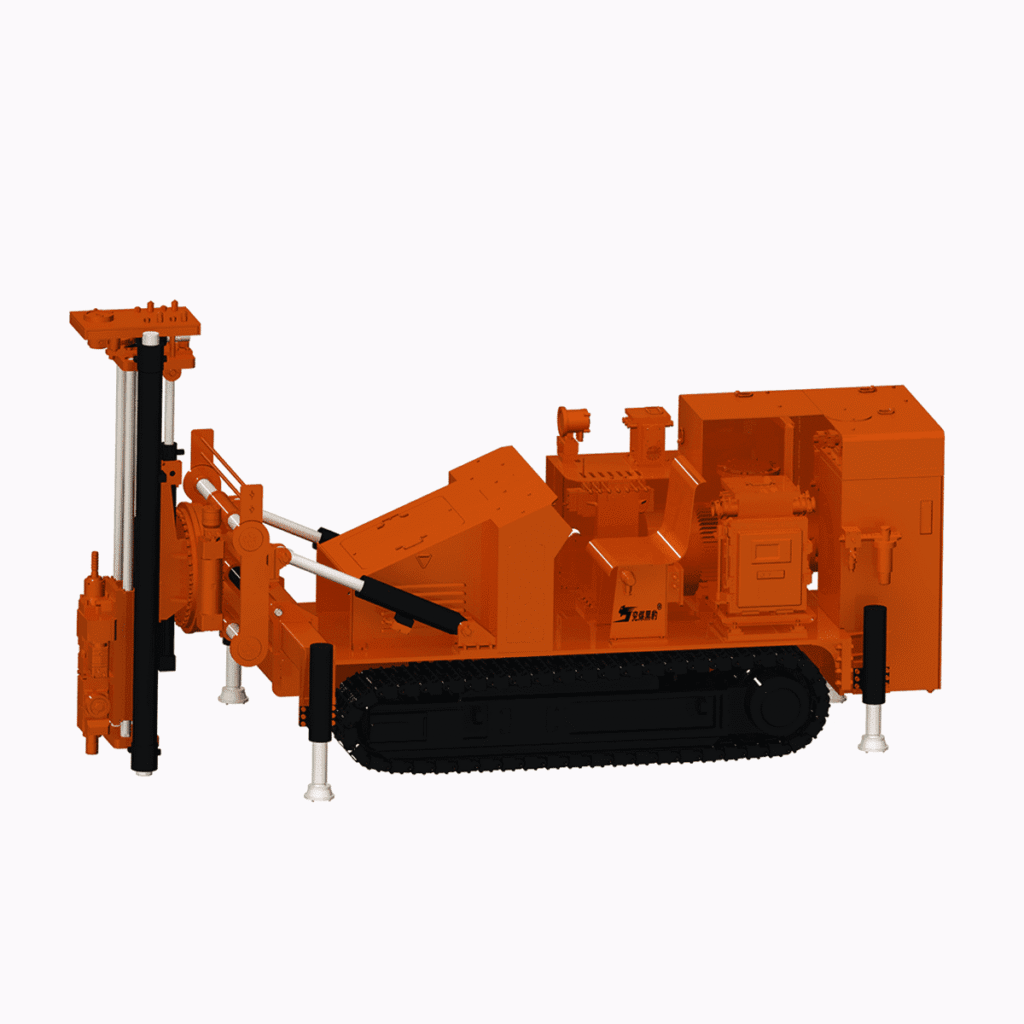
- Hydraulic rotary + impact system, 520 Nm torque, 18 kW power
- Drilling speed up to 800 mm/min in hard rock (f>14)
- Remote control operation >50 meters for maximum safety
- Impact-resistant, wear-resistant drill bits reduce cost and downtime
Emergency Tunnel Repairs: Reactive Approach for Urgent Problems
What Is Emergency Maintenance?
Emergency repairs address unexpected failures or hazardous conditions that pose safety risks or halt production.
Common Causes:
- Roof collapses and rock falls
- Floor deformation affecting equipment travel
- Sudden equipment failure impacting tunnel stability
Challenges:
- Limited preparation time increases risk for workers
- Higher labor and equipment mobilization costs
- Requires multi-functional equipment capable of rapid response
Recommended Equipment for Emergency Repairs
- WPZ-SERIES Roadway Repair Machine: Quick attachment changes and versatile repair functions allow fast response
- CMJ1-18Y Drill Rig: Rapid drilling for stabilization, particularly in hard rock conditions
- WPE-7.5/24 Crushing and Loading Dinting Machine: Efficient floor repairs and cable/bolt cutting in damaged tunnels
Comparing Scheduled vs Emergency Tunnel Maintenance
| Aspect | Scheduled Maintenance | Emergency Repairs | Advantage |
|---|---|---|---|
| Planning | Planned in advance | Unplanned, reactive | Scheduled is cost-effective |
| Cost | Lower, predictable | Higher due to urgency | Scheduled reduces long-term costs |
| Safety | High due to preparation | Risky due to unknown conditions | Scheduled ensures safer environment |
| Equipment Usage | Optimized, efficient | Requires versatile rapid-response tools | Scheduled allows better allocation |
| Downtime | Minimal | Significant | Scheduled reduces operational interruptions |
Insight: Most mining experts recommend 70–80% scheduled maintenance with 20–30% emergency readiness, striking a balance between efficiency and safety.
Key Techniques in Tunnel Maintenance
Tunnel maintenance in coal mines requires a combination of precision, safety, and efficiency. Modern mining roadways face constant pressure from rock strata, coal extraction, and machinery operation. The following key techniques are essential to maintain tunnel integrity and ensure smooth, safe operations.
Flitching and Floor Dinting
Flitching: This involves carefully removing loose rock or coal from tunnel walls and roofs to prevent collapses. Flitching is typically performed using hydraulic attachments on roadway repair machines, allowing operators to remove debris efficiently without destabilizing the surrounding rock.
Floor Dinting: Floor maintenance is just as critical as roof stabilization. Floor dinting involves leveling, compacting, and reshaping the tunnel floor to facilitate safe machine movement and prevent damage to transport vehicles or conveyor systems. Uneven floors can lead to increased wear on equipment and slower material transport.
Benefits of Flitching and Floor Dinting
- Improved Tunnel Stability: Regular removal of loose rock and floor leveling minimizes collapse risks.
- Reduced Equipment Wear: Smooth floors and stable walls prevent excessive stress on loaders, dumpers, and repair machines.
- Enhanced Worker Safety: By maintaining a secure working environment, the likelihood of accidents caused by falling debris or equipment tipping is significantly reduced.
Practical Example: In a coal mine in Shanxi Province, scheduled flitching and floor dinting using the WPZ-75 machine reduced tunnel collapse incidents by 45% over one year, while equipment maintenance costs decreased by 20%.
Coal-Rock and Semi-Coal-Rock Slotting
Purpose: Slotting is the process of cutting or profiling the tunnel face to remove weak or unstable rock sections. This is especially important in areas where the coal seam transitions to harder rock formations.
Operational Notes
- Requires precise hydraulic control to prevent over-excavation, which could compromise tunnel stability.
- Slotting allows for proper installation of roof supports and steel beams.
- Common slotting tasks are performed using WPZ-SERIES or WPE series machines equipped with specialized attachments.
Advantages
- Maintains the correct tunnel profile for machine travel
- Reduces the risk of roof sagging or wall collapse
- Prepares the tunnel for safe installation of anchor cables and structural supports
Data Insight: A study conducted in a Chinese coal mine showed that applying semi-coal-rock slotting reduced roof support installation time by 25%, allowing faster material transport and reducing downtime.
Steel Beam Shearing
WPZ-75 Exclusive Function: Shearing steel beams (36U type) is sometimes necessary during tunnel reinforcement upgrades or emergency repairs. The WPZ-75 machine allows operators to shear beams in-situ, avoiding the need to remove entire structural sections.
Benefits
- Structural Integrity: Ensures that new beams or support systems can be installed without destabilizing surrounding structures.
- Time Efficiency: On-site shearing reduces equipment setup time and operational disruption.
- Versatility: Particularly useful during emergency repairs where damaged steel supports must be removed quickly.
Case Example: During a scheduled maintenance cycle in a Shanxi mine, WPZ-75’s shearing capability reduced steel beam replacement time from 6 hours to 90 minutes, significantly minimizing production downtime.
Drilling Roof Cutting Holes
CMJ1-18Y Drill Rig: Roof cutting holes are essential for controlled blasting, roof stabilization, and stress relief in hard rock coal mines. The CMJ1-18Y integrates hydraulic rotary and impact drilling, allowing drilling speeds of up to 800 mm/min in rock hardness conditions greater than f>14.
Operational Advantages
- Remote-Controlled Operation: Operators can perform drilling from over 50 meters away, reducing exposure to hazardous zones.
- Impact-Resistant Drill Bits: Column-tooth drill bits minimize wear and reduce drilling costs compared to traditional diamond bits.
- High Efficiency: Drills roof cutting holes for blasting in half the time required by conventional single hydraulic rotary rigs.
Practical Outcome: Mines using CMJ1-18Y reported a 30–40% improvement in roof cutting productivity while maintaining a zero safety incident rate in roof drilling operations over one year.
Equipment Performance Comparison
| Machine | Power (kW) | Bucket Capacity (L) | Max Reach (mm) | Max Digging Depth (mm) | Max Operating Weight (kg) |
|---|---|---|---|---|---|
| WPZ-75 | 75 | 60 | 3500 | 1450 | 24000 |
| WPZ-45 | 45 | 50 | 3500 | 1450 | 12000 |
| WPE-7.5/24 | 45 | 45 | 3250 | 1700 | 5800 |
| CMJ1-18Y | 55 | N/A | 3250 | 25000 | 9165 |
Observation: WPZ-75 offers highest versatility for floor and roof maintenance, while CMJ1-18Y excels in roof drilling efficiency and safety.
Case Study 1: Scheduled Maintenance in a Chinese Coal Mine
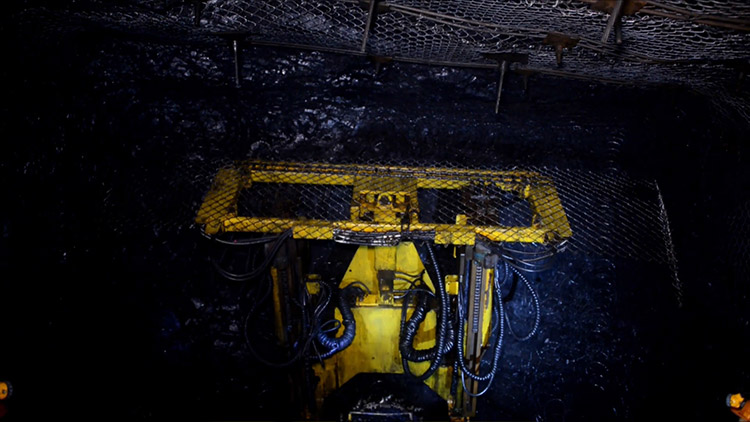
- Scenario: High-volume underground mine with 12 km of roadways
- Equipment Used: WPZ-75, WPE-7.5/24
- Outcome: Reduced emergency repair incidents by 60%, increased production efficiency by 18%, and extended roadway lifespan by 2–3 years
Case Study 2: Emergency Repair Response in a Hard Rock Mine
- Scenario: Unexpected floor collapse halted conveyor transport
- Equipment Used: WPZ-75, CMJ1-18Y
- Outcome: Roadway stabilized within 6 hours, minimizing production downtime to 12% of shift hours
- Key Insight: Rapid attachment change and remote-controlled drilling were crucial for fast response
Challenges in Tunnel Maintenance
Geological Uncertainties
- Variable rock hardness and floor composition require adaptable machinery
- Use of CMJ1-18Y with high torque and impact drill bits addresses hard rock challenges
Equipment Maintenance and Reliability
- WPZ and WPE machines require routine hydraulic and attachment checks
- Scheduled preventive maintenance reduces sudden breakdowns
Labor Training
- Operator proficiency affects safety and repair efficiency
- Machines with excavator-like controls reduce training time
Future Trends in Tunnel Maintenance
Automation and AI Integration
- Predictive maintenance using sensors and AI algorithms
- Optimized scheduling reduces downtime and operational cost
Advanced Materials and Coatings
- Use of wear-resistant steel for beams and floor plates
- Longer lifespan for machinery attachments reduces replacement frequency
Remote and Semi-Autonomous Operations
- Remote-controlled drilling and repair equipment
- Reduced safety risks and increased efficiency in hazardous conditions
FAQ
Q1: How often should coal mine tunnels be inspected?
A: Monthly minor inspections and quarterly major maintenance cycles are recommended, depending on mining intensity.
Q2: What is the ideal mix of scheduled vs emergency maintenance?
A: Most mines operate with 70–80% scheduled maintenance and 20–30% emergency readiness.
Q3: Can one machine handle multiple tasks in emergencies?
A: Yes, machines like WPZ-75 have rapid attachment changes, allowing one operator to handle floor, roof, and structural repairs quickly.
Q4: How does remote control improve safety?
A: CMJ1-18Y allows operators to control drilling from 50+ meters away, reducing exposure to rockfalls and hazardous zones.
Q5: What is the cost-benefit of preventive maintenance?
A: Scheduled maintenance reduces emergency repair costs, downtime, and equipment damage, saving up to 30% of total maintenance budget.
Conclusion
Effective tunnel maintenance in coal mines requires a dual approach: preventive scheduled maintenance and agile emergency repair capabilities. Leveraging modern machinery like WPZ-SERIES Roadway Repair Machine, WPE-7.5/24 Crushing and Loading Dinting Machine, and CMJ1-18Y Hydraulic Tunneling Drill Rig ensures:
- Enhanced operational safety
- Reduced downtime and maintenance costs
- Extended lifespan of tunnels and mining infrastructure
By combining advanced technology, skilled operators, and proactive maintenance planning, coal mines can significantly improve safety, efficiency, and productivity in underground operations.
CTA: Contact us today to explore how our comprehensive tunnel maintenance solutions can safeguard your mine and optimize productivity.
Welcome to Shandong Yanmei Heibao Mining Equipment Co., Ltd.! Since 2002, we’ve been redefining mining with intelligent equipment, delivering safer, more efficient, and sustainable solutions.
📌 Follow us for updates and insights:
- Facebook: Shandong Yanmei Heibao
- YouTube: Shandong Yanmei Heibao Channel
Join us to explore innovation and excellence in mining—together!