

Introduction
Mining operations require equipment that ensures both high efficiency and safety in harsh, underground conditions. Monorail crane systems have emerged as a crucial solution, providing precise load handling in constrained environments, reducing manual labor, and improving operational safety. With increasing adoption of battery-powered and electric models, understanding their features, performance metrics, and maintenance requirements is essential for mining professionals. This comprehensive guide offers a detailed overview of monorail crane systems, comparisons, standards, case studies, and best practices to help operators select the ideal system for their mines.
Blog Key Points
- Overview and importance of mining monorail crane systems
- Types and key features of different monorail crane models
- Comparative analysis: battery-powered vs electric cranes
- Safety standards, certifications, and operational compliance
- Maintenance, troubleshooting, and lifecycle management
- Case studies showcasing real-world implementation
- Advanced technologies: automation, remote monitoring, energy recovery
- FAQs for practical user guidance
- Product parameters and technical specifications in tables
Table of Contents
Understanding Mining Monorail Crane Systems
Concept of Monorail Crane Systems
Monorail crane systems are specialized material handling solutions designed for challenging mining environments. They operate using a single overhead rail that supports hoists and trolleys, enabling smooth transport along predefined paths. Unlike traditional cranes, these systems are optimized for limited space operations, such as narrow underground tunnels, where maximizing usable floor area is critical. Modern monorail systems incorporate advanced control units, flameproof designs, and energy-efficient mechanisms to ensure both operational safety and performance reliability.
In addition to transporting heavy mining materials, monorail crane systems can assist with installation of supports, maintenance tasks, and movement of specialized equipment. This multi-functional approach makes them a cornerstone of modern underground mining operations, significantly improving workflow efficiency while minimizing human exposure to hazardous conditions.
Why Monorail Cranes Are Vital in Mining
Monorail cranes offer several critical advantages for mining operations. First, they reduce the need for manual labor, which not only cuts operational costs but also decreases the risk of workplace injuries. Their precise load handling ensures safe and accurate placement of heavy supports, machinery, or mined ore, which is particularly important in confined or uneven tunnels.
These cranes also feature integrated safety mechanisms, such as automatic emergency brakes, overload detection, and limit switches, which prevent accidents and equipment damage. The minimal footprint and flexible installation allow them to operate in tunnels where conventional overhead cranes would be impractical, making them indispensable in complex mine layouts.
Furthermore, their energy-efficient operation, especially in battery-powered models, contributes to sustainable mining practices by reducing emissions and noise pollution in underground environments. Studies by the International Mining Technology Association (IMTA, 2025) indicate that mines using monorail crane systems experienced up to a 20% increase in operational productivity compared to traditional lifting methods.
Core Components Explained
Rail Track
The rail track is the backbone of the monorail crane system, providing a stable path for the trolley and hoist to move along. High-strength steel or alloy tracks are commonly used to withstand heavy loads and ensure long-term durability in underground conditions. Rail alignment and proper maintenance are crucial to prevent derailments and ensure smooth crane operation.
Hoist Mechanism
The hoist is responsible for lifting and lowering materials. In modern mining monorail systems, hoists can be powered by battery, electric motors, or hydraulic systems, with precise speed control to handle sensitive or oversized loads. High-performance hoists often feature regenerative braking systems to capture energy during lowering operations, increasing overall efficiency.
Trolley System
The trolley moves along the rail and carries the hoist and load. Advanced trolleys are designed with multiple wheels or rollers, allowing them to adapt to slight track misalignments or curvature in tunnels. They often include shock absorption to minimize vibration, protecting both the cargo and the crane components from excessive wear.
Control Unit
The control unit provides operational oversight and can be configured for manual, semi-automated, or fully automated operation. Remote monitoring and intelligent marshaling features allow operators to control multiple cranes simultaneously, track performance data, and execute safety protocols without direct exposure to hazardous environments. Modern control units also support integration with mine management software for optimized scheduling and load planning.
Additional Components
- Emergency Brakes: Automatically engage to stop hoist or trolley in case of overload or failure.
- Limit Switches: Prevent the hoist from exceeding safe lifting or lowering limits.
- Flameproof Housing: Ensures safe operation in combustible mining environments.
- Energy Storage Units: Batteries or capacitors store energy to support intermittent operations and allow reverse charging for efficiency.
By understanding the full architecture and components of mining monorail crane systems, operators can make informed decisions about installation, maintenance, and operational strategies, ultimately improving mine productivity and safety.
Types of Mining Monorail Crane Systems
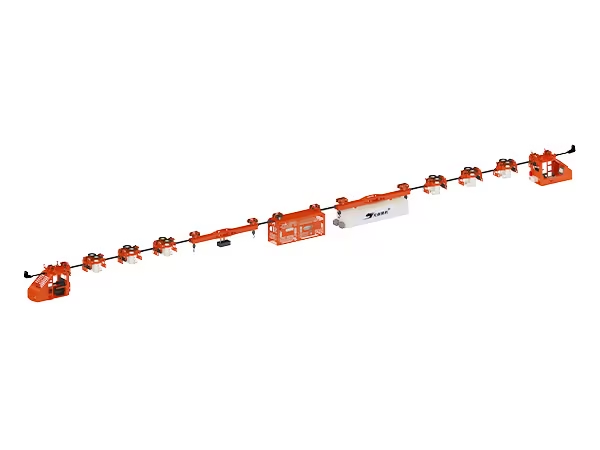
DX-SERIES Flameproof Battery-Powered Monorail Crane
Key Features:
- Operates efficiently on uneven roadways and variable roof deformations.
- Passes through narrow mine passages with ease.
- Environmentally friendly: zero exhaust, no noise or waste liquids.
- Reverse charging converts potential energy into electrical energy.
- Supports one-time transport and installation of heavy mining supports.
- Integrated interfaces for unmanned operation and intelligent marshaling.
- Remote monitoring and operation via LAN or Internet.
Applications: Suitable for deep underground mining with variable tunnel geometries.
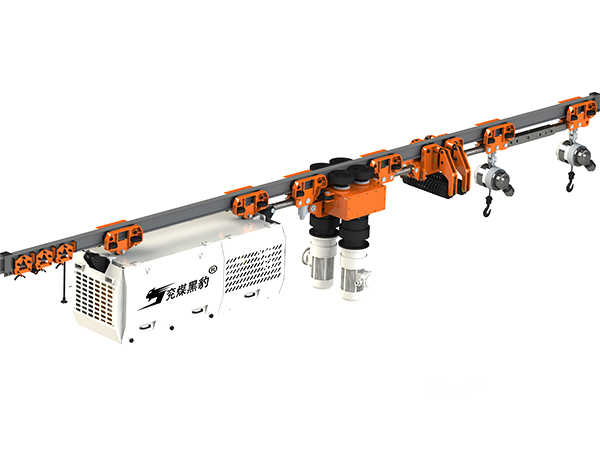
DDD30 Electric Monorail Crane
Key Features:
- Compact design for tight spaces.
- Wireless flameproof remote control ensures operator safety.
- Multiple protection systems prevent equipment failure and enhance personnel safety.
- Minimal maintenance with high reliability.
- Energy-efficient and eco-friendly.
- Unique model available only in China with advanced technological features.
Applications: Ideal for high-safety industrial mining sites.
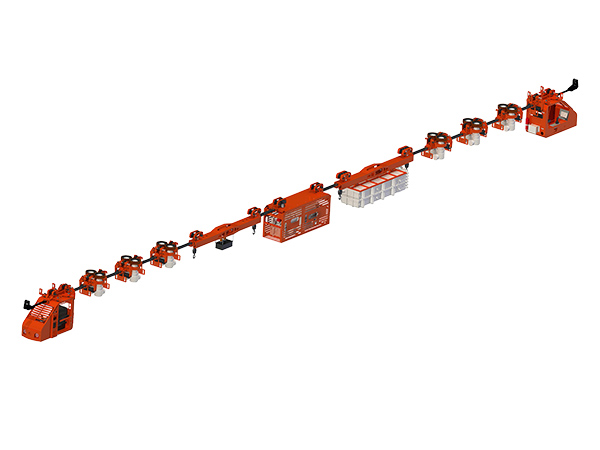
DL-SERIES Lithium Battery-Powered Monorail Crane
Key Features:
- Handles uneven tunnel conditions without performance loss.
- Excellent passability in narrow industrial spaces.
- Quick lithium battery recharge (1.5–2 hours) reduces downtime.
- Enables one-time transport and installation for efficiency.
- Remote monitoring and intelligent marshaling integration.
Applications: Perfect for modern mines emphasizing automation and energy efficiency.
Technical Comparisons
Battery-Powered vs Electric Monorail Cranes
| Feature | Battery-Powered (DX/DL Series) | Electric (DDD30) |
|---|---|---|
| Adaptability | Excellent | Good |
| Passability | Excellent | Very Good |
| Energy Efficiency | High (reverse charging) | Moderate |
| Environmental Impact | Zero emissions, no noise | Zero emissions, no noise |
| Charging/Fueling | Lithium battery swap or fast charge | Grid-powered |
| Automation Ready | Yes | Limited |
| Ideal Use Case | Underground mining | Confined industrial spaces |
Load Capacity and Performance
Monorail cranes for mining are designed to lift anywhere from 10t to 120t depending on model specifications. Maximum speeds typically range from 0.4 m/s (electric) to 2 m/s (battery-powered), with gradeability up to 25° for lithium-powered models. Horizontal and vertical turning radii vary but generally remain optimized for confined tunnel operations.
Industry Standards and Safety Guidelines
Safety Standards
- ISO 12100: General principles for machinery safety.
- IEC 60204-32: Electrical equipment safety for lifting machines.
- Mine Safety and Health Administration (MSHA) Guidelines: Ensuring flameproof operation and operator safety.
Certification Requirements
Mining monorail systems must have flameproof certifications (Ex d/e standards), emergency braking verification, and load testing reports.
Compliance Checkpoints
- Proper hoist and trolley testing
- Emergency brake validation
- Load limit verification
- Regular inspection and documentation
Maintenance and Lifecycle Management
Daily Maintenance
- Inspect rails and hoists for debris or misalignment.
- Test emergency brakes and limit switches.
- Check battery levels and electrical connections.
Periodic Maintenance
- Lubrication of moving parts monthly.
- Battery performance check quarterly.
- Comprehensive mechanical and electrical inspection annually.
Troubleshooting Common Issues
- Motor overheating: check load and ventilation.
- Hoist chain or wire rope wear: replace promptly.
- Remote control malfunction: recalibrate or replace units.
Lifecycle Extension Tips
- Use energy-efficient charging cycles.
- Maintain clean and dry storage conditions.
- Train operators on proper usage and emergency protocols.
Advanced Features in Modern Systems
Remote Operation and Automation
Integration with LAN or cloud systems allows operators to monitor multiple cranes safely from a distance, reducing exposure to hazardous zones.
Intelligent Marshaling
Automated scheduling and sequencing of crane operations increase operational efficiency and reduce downtime.
Energy Recovery Systems
Reverse charging and regenerative braking capture energy during lowering or downhill movement, improving energy efficiency by up to 15%.
Case Studies and Real-World Applications
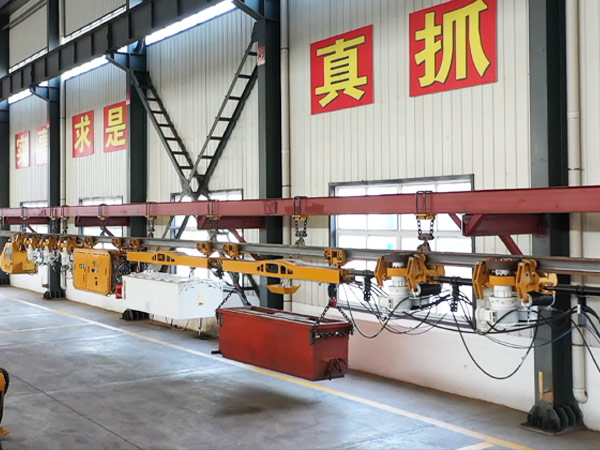
Case Study 1: DX120/72P in a Coal Mine
Reduced support installation time by 40% and improved safety through minimal manual handling.
Case Study 2: DL80/48P in Metal Ore Mining
Increased operational uptime by 20% due to fast battery charging and remote monitoring.
Case Study 3: DDD30 in Underground Mining Facility
High reliability with low maintenance, resulting in a 15% productivity increase over conventional cranes.
Industry Reports
According to the International Mining Technology Association (IMTA, 2025), battery-powered monorail cranes have seen a 15% adoption increase globally, driven by energy efficiency and automation capabilities.
FAQ
What is the main advantage of battery-powered monorail cranes?
Battery-powered systems offer zero emissions, energy recovery, and flexibility where grid power is unavailable.
How do I choose the right monorail crane for my mine?
Consider tunnel dimensions, load capacity, automation requirements, safety standards, and operational frequency.
Can these cranes operate in narrow or uneven tunnels?
Yes, DX and DL series cranes are designed to adapt to roof deformations and narrow corridors.
What maintenance is required for mining monorail cranes?
Daily inspections, monthly lubrication, quarterly battery checks, and annual comprehensive maintenance are recommended.
Are remote operation features safe in mining environments?
Yes, remote operation reduces personnel exposure to hazards and integrates multiple safety systems for equipment protection.
How long do these cranes typically last?
With proper maintenance, modern monorail cranes can operate efficiently for 10–15 years under mining conditions.
Product Parameter Table
| Model | Max Traction (kN) | Emergency Braking (kN) | Max Speed (m/s) | Gradeability (°) | Horizontal Turning Radius (m) | Battery Capacity (Ah/kWh) | Endurance (km) |
| DX120/72P | 120 | 180–240 | 2 | 15 | 4 | 560 (730) | 20/24 |
| DX100/60P | 100 | 150–200 | 2 | 15 | 4 | 560 (730) | 20/24 |
| DX80/48P | 80 | 120–160 | 2 | 15 | 4 | 560 (730) | 20/24 |
| DX60/36P | 60 | 90–120 | 2 | 15 | 4 | 560 (730) | 20/24 |
| DX40/24P | 40 | 60–80 | 2 | 15 | 4 | 560 (730) | 20/24 |
| DL120/72P | 120 | 180–240 | 2 | 25 | 4 | 2×74 kWh | 20/24 |
| DL100/60P | 100 | 150–200 | 2 | 25 | 4 | 2×74 kWh | 20/24 |
| DL80/48P | 80 | 120–160 | 2 | 25 | 4 | 2×74 kWh | 20/24 |
| DL60/36P | 60 | 90–120 | 2 | 25 | 4 | 2×74 kWh | 20/24 |
| DL40/24P | 40 | 60–80 | 2 | 25 | 4 | 2×74 kWh | 20/24 |
Conclusion
Choosing the right monorail crane system is critical for mining operations, balancing efficiency, safety, and environmental considerations. By comparing DX, DL, and DDD30 series cranes, understanding industry standards, and implementing robust maintenance practices, mining professionals can ensure reliable performance, cost efficiency, and a safer working environment. Integration with automation and energy recovery technologies further enhances operational productivity and sustainability.
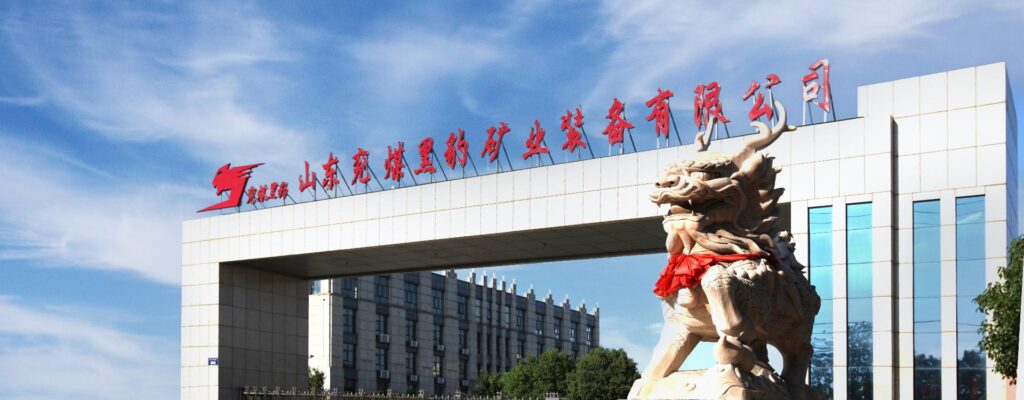
Welcome to Shandong Yanmei Heibao Mining Equipment Co., Ltd.! Since 2002, we’ve been redefining mining with intelligent equipment, delivering safer, more efficient, and sustainable solutions.
📌 Follow us for updates and insights:
- Facebook: Shandong Yanmei Heibao
- YouTube: Shandong Yanmei Heibao Channel
Join us to explore innovation and excellence in mining—together!