

Key Highlights of This Blog
- Comprehensive overview of mining equipment safety standards
- Global and regional regulations and compliance requirements
- Types of mining equipment and associated hazards
- Best practices for inspection, maintenance, and operator training
- Technological innovations enhancing mining equipment safety
- Case studies, real-world applications, and industry news
- Comparison of conventional and automated mining equipment safety
- Practical checklists and metrics for safety audits
- FAQ addressing common user questions on mining equipment
Introduction
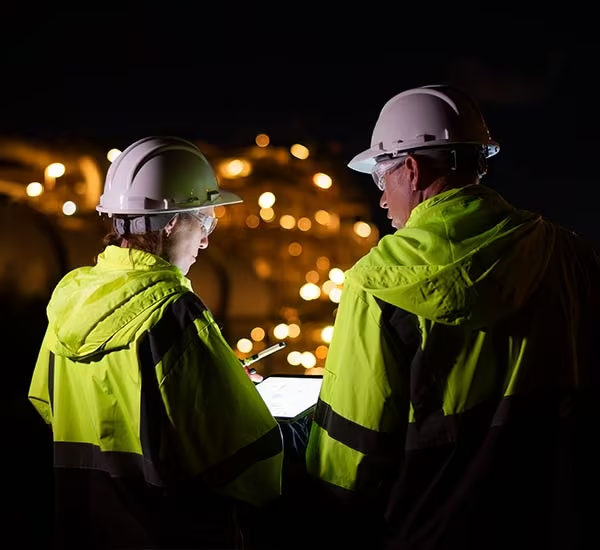
Mining remains one of the most hazardous industries globally, with thousands of accidents reported each year due to improper equipment usage. According to the International Labour Organization (ILO) 2023 Mining Safety Report, mining operations account for over 15% of workplace fatalities in high-risk countries, with equipment failure responsible for nearly 40% of incidents.
Modern mining operations increasingly rely on complex mining equipment such as automated drills, haul trucks, loaders, and conveyor systems. Proper safety compliance is not just a regulatory obligation—it is crucial for operational efficiency, worker protection, and long-term cost reduction.
This guide aims to provide a deep dive into mining equipment safety standards, global regulations, innovative solutions, and real-world case studies to help mining professionals make informed decisions.
Table of Contents
Understanding Mining Equipment: Types and Associated Hazards
Key Categories of Mining Equipment
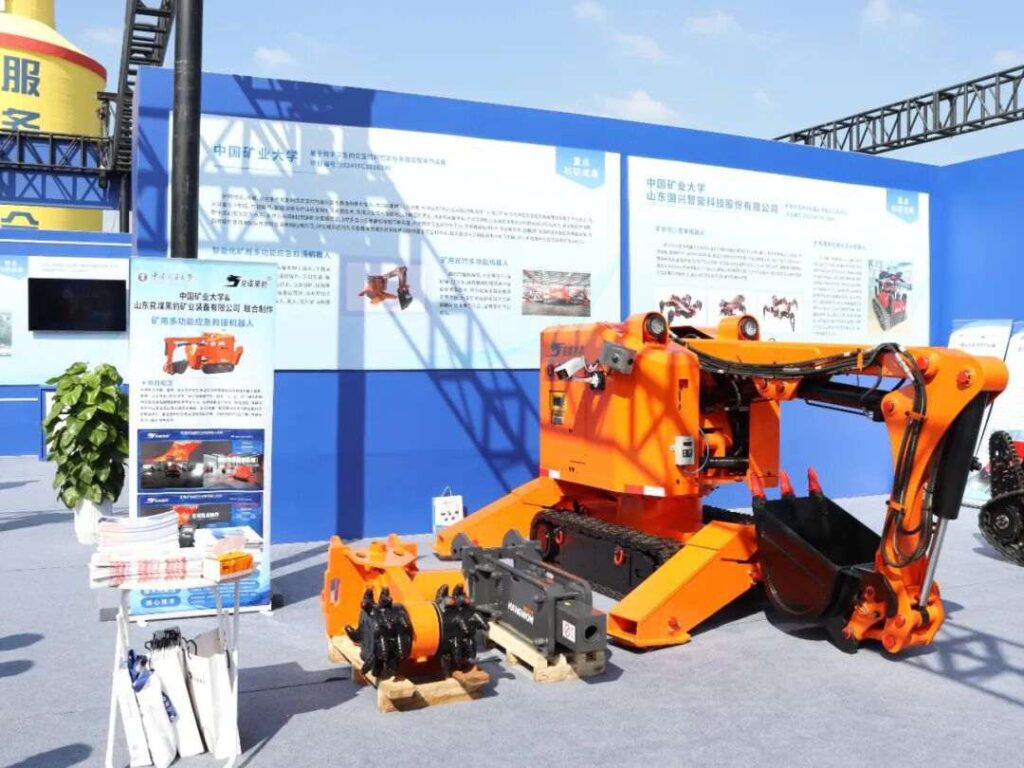
Mining equipment can be broadly classified into:
- Drilling and Blasting Machinery: Used for tunneling and resource extraction. Hazards include rock falls, vibration exposure, and accidental misfires.
- Material Handling Equipment: Loaders, dump trucks, and conveyors. Risks include collisions, entrapment, and operator fatigue.
- Support and Maintenance Equipment: Roof bolters, roadway repair machines, and anchoring systems. Hazards involve crushing, pinching, and equipment malfunctions.
- Specialized Automated Machinery: Remote-controlled or autonomous machines. While reducing direct human risk, system failures can lead to complex safety challenges.
Mining Equipment Hazards Explained
- Mechanical Failures: Hydraulic leaks, bearing wear, and structural fatigue.
- Electrical Risks: Short circuits, improper grounding, and control system failures.
- Operational Errors: Improper operator training, fatigue, and manual override misuse.
- Environmental Challenges: Dust, gas emissions, high temperature, and confined spaces.
Mining Equipment Safety Standards: Global Overview
International Standards
- ISO 20801 – Functional safety requirements for underground mining machinery.
- ISO 21815 – Testing procedures for mining equipment safety systems, including emergency shutdown and alarm functionality.
- ISO 19296 – Guidelines for automated mining equipment risk assessment.
These standards focus on ensuring that mining machines are equipped with emergency stop systems, shielding mechanisms, and fail-safe designs, enhancing operator safety.
Regional Regulations
| Region | Regulatory Body | Key Requirements | Notes |
|---|---|---|---|
| USA | MSHA | Equipment inspections, operator certification, machine guarding | Mandatory for all coal and metal/non-metal mines |
| EU | Machinery Directive 2006/42/EC | CE marking, risk assessment, emergency stops | Required for all machinery sold in EU |
| China | GB/T and Coal Mine Safety Regulations | Regular inspections, operator licensing, safety audits | Applies to coal and non-coal mines |
| Australia | Work Health and Safety (WHS) Regulations | Risk management, PPE, equipment maintenance | State-specific enforcement |
White Paper Reference
A 2022 World Mining Safety White Paper notes that mines implementing ISO-compliant automated equipment reported a 35% reduction in incidents compared to conventional setups.
Best Practices for Mining Equipment Safety
Pre-Operation Inspection
Before use, operators should:
- Check mechanical integrity, hydraulic systems, and electrical circuits
- Ensure emergency stop functionality is operational
- Verify environmental monitoring systems (gas, dust, vibration)
Routine Maintenance Protocols
- Preventive maintenance schedules based on operating hours
- Replacement of worn components before failure
- Documentation of maintenance logs for regulatory compliance
Operator Training Programs
- Certification in equipment handling and safety protocols
- Simulated emergency drills
- Familiarity with automated control and monitoring systems
Example Checklist for Mining Equipment Safety
| Task | Frequency | Responsible |
|---|---|---|
| Hydraulic inspection | Daily | Operator |
| Emergency stop test | Weekly | Supervisor |
| Load test | Monthly | Maintenance Team |
| Safety system audit | Quarterly | Safety Officer |
Technological Innovations Enhancing Mining Equipment Safety
Automation and Remote Operation
Remote-controlled drilling rigs and autonomous haul trucks reduce human exposure to hazards. Examples:
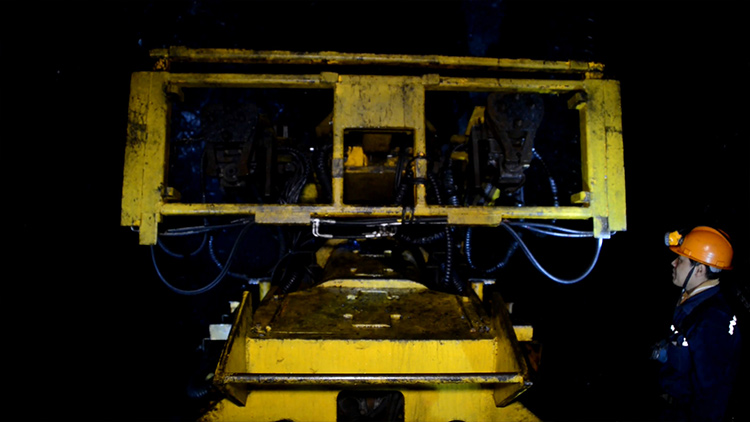
- CMJ1-18Y hydraulic tunneling drill rig – remote operation up to 50m away, reducing risk from rockfall in narrow roadways.
Sensor and Monitoring Systems
- Gas detection sensors integrated with loaders and drills
- Real-time vibration monitoring for roof stability
- AI-based collision avoidance using LiDAR
Ergonomic and Safety-Oriented Design
- Enclosed operator cabins
- Anti-rollover and shock absorption systems
- Enhanced visibility and alarm systems
Comparing Mining Equipment Safety Approaches
Manual vs Automated Equipment
| Aspect | Manual Equipment | Automated Equipment |
|---|---|---|
| Safety Exposure | High | Reduced |
| Operator Skill Requirement | Moderate | High (remote operation training) |
| Maintenance Needs | Frequent | Advanced diagnostics required |
| Initial Cost | Low | High |
| Incident Reduction | Baseline | 30-40% lower according to ISO 20801 case studies |
Conventional vs Sensor-Integrated Systems
- Conventional monitoring relies on scheduled inspections
- Sensor-integrated systems provide continuous real-time alerts, significantly improving preventive action
Case Studies: Real-World Applications
Shandong Coal Mine Upgrade
- Integrated remote drilling rigs and conveyor sensors
- Results after 6 months:
- Incident rate reduced by 42%
- Downtime decreased by 28%
- Operator satisfaction improved
Australian Gold Mine Safety Initiative
- Implementation of autonomous loaders with collision avoidance
- Reported a 33% reduction in operator injury claims within the first year
News Insight
According to Mining Journal 2025, mines that adopted AI-based safety monitoring systems saw a 20% increase in productivity due to fewer interruptions and more reliable equipment usage.
Regulatory Compliance and Auditing
Internal Safety Audits
- Monthly equipment inspections
- Operator compliance reviews
- Emergency response drill documentation
External Safety Certification
- MSHA and CE audits
- ISO compliance verification
- GB/T safety certification for Chinese mines
Key Metrics for Evaluation
- Downtime due to equipment failure
- Number of safety incidents per 1,000 operating hours
- Maintenance cost efficiency
Conclusion
Ensuring mining equipment safety is a multi-faceted approach involving compliance with international standards, regular inspections, operator training, technological upgrades, and a culture that prioritizes worker safety. Mines adopting these best practices experience lower incident rates, higher efficiency, and better regulatory compliance.
As mining technology advances, integrating automated systems, sensors, and AI into mining operations will not only safeguard workers but also optimize productivity. Prioritizing safety today ensures a sustainable, efficient, and responsible mining operation tomorrow.
FAQ
Q1: How often should mining equipment be inspected?
Daily inspections for high-risk machines, monthly preventive maintenance, and quarterly comprehensive audits are recommended.
Q2: Are automated machines completely safe?
No. While automation reduces human exposure, system failures or sensor malfunctions still pose risks. Continuous monitoring is essential.
Q3: What international standard is most relevant for underground mining equipment?
ISO 20801 is the primary standard for functional safety requirements in underground mining machinery.
Q4: How do modern sensors improve safety?
They provide real-time monitoring for gas, vibration, collision, and equipment health, enabling preventive measures before accidents occur.
Q5: Can a single piece of equipment comply with multiple safety standards?
Yes. Manufacturers often design equipment to meet ISO, MSHA, CE, and local regulations simultaneously.

Welcome to Shandong Yanmei Heibao Mining Equipment Co., Ltd.! Since 2002, we’ve been redefining mining with intelligent equipment, delivering safer, more efficient, and sustainable solutions.
📌 Follow us for updates and insights:
- Facebook: Shandong Yanmei Heibao
- YouTube: Shandong Yanmei Heibao Channel
Join us to explore innovation and excellence in mining—together!