

Key Takeaways
- Proper mining roof bolter maintenance is essential for underground safety and operational efficiency
- Most failures are caused by hydraulic system issues, wear parts, and poor lubrication practices
- Regular inspection schedules significantly reduce downtime and repair costs
- Hydraulic anchor drilling rigs require structured preventive maintenance routines
- OEM and upgraded components offer different performance and cost advantages
- Maintenance quality directly impacts drilling accuracy, support strength, and worker safety
Introduction
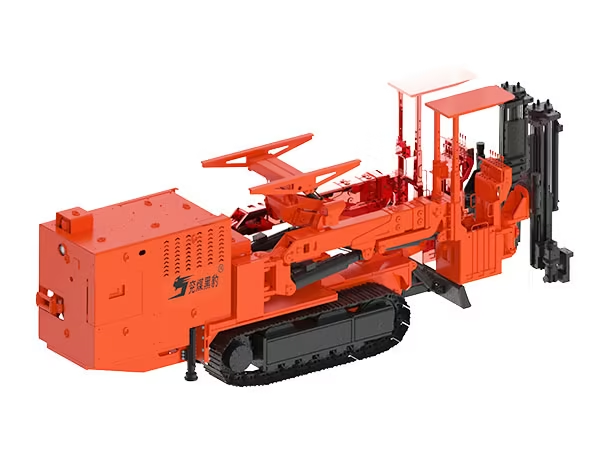
In modern underground mining operations, the mining roof bolter plays a critical role in roadway stability and worker safety. These machines are responsible for installing rock bolts and cable anchors that support tunnel roofs in complex geological conditions.
As mining environments become deeper and more challenging, equipment reliability is no longer optional—it is essential. A well-maintained mining roof bolter ensures consistent drilling performance, reduces operational risks, and improves overall productivity in coal mines and underground excavation projects.
With advanced equipment such as hydraulic anchor drilling rigs designed for mechanized bolting operations, maintenance has evolved from simple lubrication tasks to a structured engineering discipline involving hydraulic systems, electrical control, and mechanical precision.
This guide explains maintenance strategies, common failures, diagnostic methods, and best practices for extending the lifespan of a mining roof bolter.
Table of Contents
Understanding Mining Roof Bolter Maintenance Fundamentals
Core Concept of Maintenance
Mining equipment maintenance refers to the systematic process of inspecting, servicing, repairing, and optimizing machinery to ensure safe and efficient operation.
In a mining roof bolter system, maintenance focuses on:
- Hydraulic power stability
- Drilling accuracy
- Structural integrity
- Safety control systems
- Wear part replacement cycles
Why Maintenance Matters in Underground Mining
Underground conditions are harsh, involving:
- High humidity
- Dust contamination
- Shock vibration
- Continuous heavy load cycles
Without proper maintenance, performance degradation happens rapidly, increasing safety risks and downtime.
Key Components of a Mining Roof Bolter System
Hydraulic System
The hydraulic system powers drilling, propulsion, and movement functions.
Function Overview
Hydraulic pressure controls:
- Drilling torque
- Boom movement
- Propulsion force
Maintenance Focus
- Hydraulic oil cleanliness
- Pressure stability checks
- Seal integrity inspection
Drilling Boom Assembly
The drilling boom is responsible for positioning and precision drilling.
Key Maintenance Needs
- Joint lubrication
- Alignment calibration
- Wear monitoring
Electrical Control System
This system manages machine operation and safety controls.
Key Points
- Sensor calibration
- Cable insulation checks
- Remote control system validation
Anchor Installation System
Responsible for installing rock bolts and cable anchors.
Maintenance Importance
Proper function ensures:
- Roof stability
- Worker safety
- Structural reinforcement quality
Mining Roof Bolter Maintenance Schedule Table
| Maintenance Level | Frequency | Key Tasks | Risk If Ignored |
|---|---|---|---|
| Daily Check | Every shift | Visual inspection, oil level check | Sudden breakdown |
| Weekly Service | 7 days | Lubrication, bolt tightening | Reduced accuracy |
| Monthly Maintenance | 30 days | Hydraulic testing, filter replacement | Hydraulic failure |
| Quarterly Overhaul | 3 months | System calibration, wear part replacement | High downtime |
| Annual Inspection | 12 months | Full system diagnostics | Safety risk |
Common Mining Roof Bolter Problems and Causes
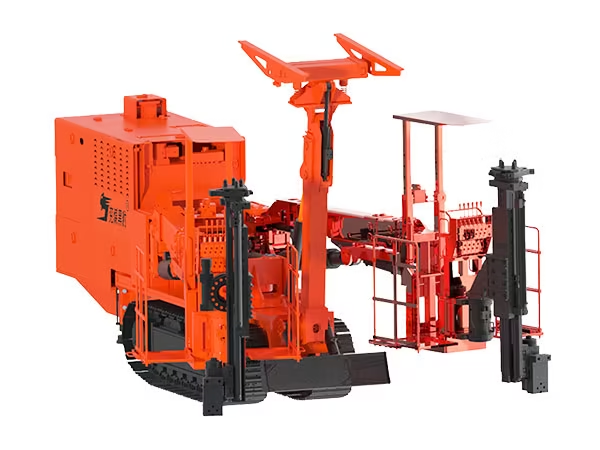
Hydraulic Pressure Instability
This is one of the most frequent issues in underground equipment.
Possible Causes
- Oil contamination
- Pump wear
- Valve blockages
Drilling Accuracy Loss
When drilling precision decreases, anchoring quality is affected.
Causes Include
- Boom misalignment
- Worn drill bits
- Loose structural joints
Overheating Issues
Overheating reduces system lifespan significantly.
Root Causes
- Poor ventilation underground
- Hydraulic overload
- Continuous high-pressure operation
Slow Drilling Speed
A common performance complaint in aging systems.
Causes
- Low hydraulic pressure
- Damaged drill head
- Internal leakage
Mining Roof Bolter vs Traditional Drilling Methods
Mechanized Roof Bolter Systems
Modern mining roof bolters use hydraulic automation and multi-boom systems.
Advantages
- High efficiency
- Improved safety
- Reduced manual labor
- Consistent drilling quality
Manual Drilling Methods
Traditional systems rely heavily on human labor.
Limitations
- Lower precision
- Higher risk exposure
- Slower installation speed
- Greater fatigue impact
Concept Breakdown: Hydraulic Anchor Drilling Rig Technology
What Makes Hydraulic Bolting Advanced?
Hydraulic anchor drilling rigs integrate drilling, anchoring, and support functions into one system.
These machines are designed for:
- Rapid tunneling support
- Complex underground environments
- High-strength rock formations
Intelligent Safety Mechanisms
Modern systems include:
- Temporary roof support
- Interlocking hydraulic systems
- Remote control operation options
Multi-Boom Operation Concept
Multi-boom systems allow:
- Simultaneous drilling
- Faster cycle completion
- Reduced downtime between operations
Mining Roof Bolter Maintenance Best Practices
Daily Operational Inspection
Operators should check:
- Hydraulic leaks
- Drill bit condition
- Control responsiveness
Lubrication Management
Proper lubrication reduces friction and wear.
Key Areas
- Boom joints
- Rotating components
- Track systems
Hydraulic Oil Management
Hydraulic oil is the “blood” of the system.
Best practices:
- Replace oil regularly
- Use clean filtration systems
- Monitor contamination levels
Wear Part Replacement Strategy
Critical components include:
- Drill rods
- Seals
- Bearings
- Hydraulic hoses
Mining Roof Bolter Maintenance Cost Optimization
Preventive Maintenance vs Reactive Repair
| Strategy | Cost Level | Downtime | Risk Level |
|---|---|---|---|
| Preventive Maintenance | Low | Low | Low |
| Reactive Repair | High | High | High |
Preventive maintenance is significantly more cost-efficient in long-term mining operations.
Environmental Impact on Mining Roof Bolter Performance
Underground Dust Conditions
Dust particles can enter hydraulic and mechanical systems, causing abrasion.
Moisture and Corrosion
High humidity accelerates:
- Metal corrosion
- Seal degradation
- Electrical failure
Temperature Fluctuations
Extreme underground temperature changes affect hydraulic viscosity and system stability.
Choosing the Right Mining Roof Bolter Maintenance Strategy
Condition-Based Maintenance
Maintenance is performed based on real-time machine condition data.
Time-Based Maintenance
Scheduled maintenance is performed at fixed intervals.
Predictive Maintenance
Advanced monitoring systems predict failures before they occur.
Conclusion
Effective mining roof bolter maintenance is essential for ensuring safety, improving productivity, and extending equipment lifespan in underground mining operations. As mining conditions become more complex, modern hydraulic anchor drilling rigs provide advanced mechanization, but they also require structured maintenance strategies.
By implementing preventive maintenance, monitoring hydraulic systems, and following structured inspection schedules, mining operators can significantly reduce downtime and improve operational efficiency. In modern mining environments, maintenance is not just support—it is a core part of production success.
FAQ
What is the main purpose of mining roof bolter maintenance?
It ensures safe operation, improves drilling performance, and extends equipment lifespan in underground mining environments.
How often should a mining roof bolter be serviced?
Basic inspection should be done daily, with deeper maintenance performed weekly, monthly, and quarterly depending on usage intensity.
What is the most common failure in mining roof bolters?
Hydraulic system issues such as leakage, pressure loss, and contamination are the most common failures.
How can I improve mining roof bolter performance?
Regular lubrication, hydraulic oil management, and timely replacement of wear parts significantly improve performance.
What is the difference between manual drilling and roof bolting machines?
Roof bolting machines provide higher efficiency, better safety, and more consistent anchoring compared to manual drilling methods.
Can maintenance reduce mining downtime?
Yes. Preventive maintenance significantly reduces unexpected breakdowns and improves operational continuity.
Are hydraulic anchor drilling rigs better than traditional systems?
Yes, they offer higher efficiency, integrated functions, improved safety systems, and better adaptability to complex underground conditions.

Welcome to Shandong Yanmei Heibao Mining Equipment Co., Ltd.! Since 2002, we’ve been redefining mining with intelligent equipment, delivering safer, more efficient, and sustainable solutions.
📌 Follow us for updates and insights:
- Facebook: Shandong Yanmei Heibao
- YouTube: Shandong Yanmei Heibao Channel
Join us to explore innovation and excellence in mining—together!