

Key Takeaways
- Understand the engineering role of a coal mining roof bolter in underground mine safety systems
- Learn how roof bolting improves geotechnical stability in coal extraction environments
- Explore mechanical, hydraulic, and automated roof bolter technologies in modern mining
- Review international mining safety standards and compliance requirements
- Analyze real-world mining case studies with performance metrics
- Compare roof bolting systems with traditional ground support methods
- Learn selection criteria for equipment based on geology, depth, and production scale
- Understand maintenance strategies that extend equipment lifecycle and reduce downtime
Introduction
Underground coal mining operates in one of the most structurally unstable working environments in industrial engineering. Every excavation creates a redistribution of geological stress, and without proper reinforcement, roof collapse becomes a constant risk factor.
The coal mining roof bolter is a critical engineering system designed to address this challenge. It reinforces underground roof structures by installing rock bolts into surrounding strata, effectively transforming unstable rock layers into a controlled load-bearing system.
In modern mining engineering, roof bolting is not considered optional equipment but a mandatory safety mechanism integrated into excavation workflows. Industry safety statistics consistently show that roof control remains one of the primary contributors to underground mining incidents, making bolting systems essential for both operational continuity and worker protection.
This article provides a comprehensive technical and industrial analysis of coal mining roof bolters, including structural mechanics, system classifications, operational principles, safety frameworks, real-world applications, and decision-making criteria used in global mining operations.
Table of Contents
What Is a Coal Mining Roof Bolter?
Core Engineering Definition
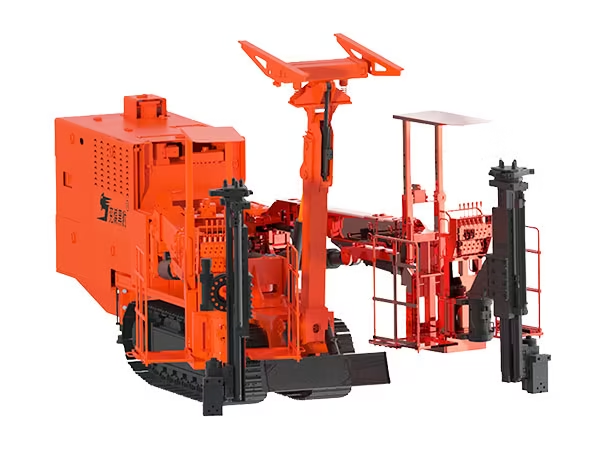
A coal mining roof bolter is a specialized underground mining machine used to drill boreholes and install rock bolts that reinforce mine roof structures and stabilize surrounding geological formations.
Functional Engineering Concept
Roof bolting operates on a load transfer principle where stress is redistributed from weak rock layers to deeper stable formations through mechanical anchoring.
Primary Functional Objectives
Roof stabilization
Stress redistribution
Collapse prevention
Operational continuity
Worker safety enhancement
Engineering Mechanism of Coal Mining Roof Bolter
Drilling System Architecture
Roof bolters use hydraulic rotary-percussion drilling systems capable of penetrating dense rock formations under confined underground conditions.
Typical operational parameters include rotational speeds ranging from 200 to 600 RPM and hydraulic pressures between 15 and 25 MPa depending on rock hardness conditions.
Rock Bolt Installation Process
Step 1 Borehole drilling into roof strata
Step 2 Insertion of resin or mechanical bolt systems
Step 3 Anchoring and tensioning to achieve load transfer
Structural Reinforcement Concept
Once installed, rock bolts create a reinforced composite structure within the rock mass. This system converts fractured rock layers into a semi-monolithic beam capable of resisting gravitational and tectonic stress.
Types of Coal Mining Roof Bolter Systems
Manual Roof Bolters
Manual systems rely on operator-controlled drilling and bolt installation. These systems are commonly used in small-scale mining operations or secondary reinforcement zones.
Advantages include low capital cost and simple maintenance requirements. Limitations include reduced productivity and increased operator exposure to hazardous environments.
Pneumatic Roof Bolters
Pneumatic systems utilize compressed air to power drilling mechanisms. These are typically used in medium-depth mining environments where moderate rock hardness is present.
Hydraulic Roof Bolters
Hydraulic systems dominate modern underground mining due to their high torque output and stable performance under load. These systems offer superior drilling efficiency and are suitable for high-strength rock formations.
Automated Roof Bolter Systems
Automated systems integrate sensors, digital controllers, and robotic drilling arms to enhance precision and reduce human exposure.
These systems are increasingly used in large-scale mining operations where safety and productivity optimization are priorities.
Coal Mining Roof Bolter Performance Comparison Table
| Feature | Manual System | Hydraulic System | Automated System |
|---|---|---|---|
| Installation Speed | Low | High | Very High |
| Safety Level | Medium | High | Very High |
| Precision | Medium | High | Very High |
| Labor Requirement | High | Medium | Low |
| Initial Investment | Low | Medium | High |
| Long-Term Efficiency | Low | High | Very High |
| Maintenance Complexity | Low | Medium | High |
International Mining Safety Standards and Compliance
Mining operations involving roof bolting systems must comply with strict safety frameworks such as MSHA regulations in the United States, ISO mechanical safety standards, and European EN mining equipment directives.
These standards regulate machine structural integrity, hydraulic safety systems, emergency shutdown protocols, and operator protection requirements.
Geotechnical Engineering Principles in Roof Bolting
Rock masses in underground environments behave as dynamic stress systems rather than static structures. Stress redistribution, fracture propagation, and discontinuity zones significantly influence roof stability.
Roof bolting systems modify these stress patterns by introducing artificial reinforcement points that stabilize the rock mass and prevent progressive failure.
Coal Mining Roof Bolter vs Traditional Support Systems
Traditional timber supports provide temporary reinforcement but degrade over time and require frequent replacement. Steel arch systems offer higher strength but lack adaptability to dynamic geological conditions.
Roof bolting systems provide permanent reinforcement by integrating directly into rock structures, offering superior long-term stability and reduced maintenance requirements.
| System | Safety | Durability | Cost Efficiency | Installation Speed |
| Timber Support | Low | Low | Low | Medium |
| Steel Arch | Medium | High | Medium | Low |
| Roof Bolter System | Very High | Very High | High | High |
Real-World Mining Case Studies
In a high-stress coal mining operation, hydraulic roof bolters were deployed to replace traditional timber supports. The implementation resulted in a 65 percent reduction in roof fall incidents and a 28 percent increase in operational productivity.
In another deep mining project exceeding 600 meters in depth, automated roof bolting systems were introduced. This improved installation accuracy by approximately 40 percent and significantly reduced worker exposure to hazardous zones.
Industry Research Insights and White Paper Findings
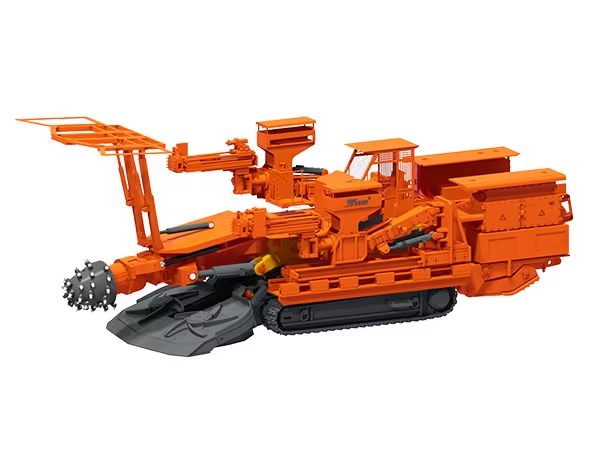
Mining engineering research consistently highlights roof bolting as one of the most effective ground control methods in underground coal extraction.
Studies indicate that correct bolt spacing can reduce roof failure probability by more than 50 percent, while resin anchoring systems demonstrate superior performance in high-moisture environments compared to mechanical anchoring methods.
Maintenance Strategy for Coal Mining Roof Bolter
Hydraulic systems require regular inspection of seals, hoses, and pressure regulators. Drill bits must be replaced when wear reduces penetration efficiency.
Lubrication systems must be maintained to minimize mechanical friction and extend operational lifespan. Predictive maintenance systems are increasingly used to monitor hydraulic pressure fluctuations and mechanical wear indicators in real time.
Coal Mining Roof Bolter Selection Criteria
Geological conditions determine whether light, medium, or heavy-duty bolting systems are required. Mining depth influences stress levels, requiring stronger reinforcement systems in deeper operations.
Production scale also plays a role, with large-scale mines favoring automated systems integrated with digital monitoring platforms.
Environmental Impact Considerations
Dust accumulation accelerates mechanical wear, while moisture affects resin curing processes and hydraulic fluid performance. Temperature fluctuations can influence system efficiency and fluid viscosity, requiring adaptive maintenance strategies.
Advanced Operational Concepts
Predictive maintenance technologies are increasingly integrated into modern roof bolters. These systems monitor hydraulic pressure, drilling performance, and structural load feedback to optimize operational efficiency.
Digital mining integration allows roof bolters to communicate with centralized control systems for real-time performance tracking and safety optimization.
Common User Search Intent Questions
How does a coal mining roof bolter improve safety
It stabilizes underground mine roofs by installing rock bolts that redistribute geological stress and prevent collapse
What is the difference between manual and hydraulic roof bolters
Hydraulic systems provide higher torque, greater efficiency, and improved safety compared to manual systems
Are automated roof bolters worth the investment
They significantly improve safety and productivity in large-scale mining operations
How long do roof bolts last underground
Service life depends on geological conditions but can extend over several years when properly installed
Conclusion
The coal mining roof bolter is a fundamental component of underground mining engineering systems. It ensures structural stability enhances operational safety and supports continuous production in coal extraction environments.
With advancements in hydraulic control automation and digital monitoring technologies roof bolting systems continue to evolve into highly efficient and intelligent mining solutions that meet the increasing demands of modern underground operations.
FAQ
What is the main function of a coal mining roof bolter
It reinforces underground mine roofs by installing rock bolts that stabilize surrounding rock structures
What types of bolts are used in underground mining
Resin bolts mechanical expansion bolts and cable bolts are commonly used
How often should roof bolters be maintained
Maintenance schedules depend on operating intensity but typically include frequent hydraulic inspection and periodic system servicing
What causes roof bolter failure
Hydraulic leakage drill wear and inadequate maintenance are the most common causes
Can roof bolters operate in all geological conditions
They can be adapted to most conditions but must be selected based on rock strength and mining depth

Welcome to Shandong Yanmei Heibao Mining Equipment Co., Ltd.! Since 2002, we’ve been redefining mining with intelligent equipment, delivering safer, more efficient, and sustainable solutions.
📌 Follow us for updates and insights:
- Facebook: Shandong Yanmei Heibao
- YouTube: Shandong Yanmei Heibao Channel
Join us to explore innovation and excellence in mining—together!