

Table of Contents
Introduction
Mining equipment China has become a critical part of the global mining industry. With China being one of the largest producers and exporters of mining machinery, it is no surprise that innovations and trends in this sector are closely monitored by industry experts worldwide. Over the past decade, Chinese mining equipment manufacturers have evolved from simply supplying affordable machinery to developing technologically advanced solutions that can meet international standards.
In this article, we explore three powerful trends in mining equipment China that are reshaping the market, improving efficiency, and enhancing sustainability. Understanding these trends is crucial for businesses, investors, and professionals who are engaged in mining operations or planning to expand in the Chinese market.
Trend 1: Automation and Smart Mining Equipment China
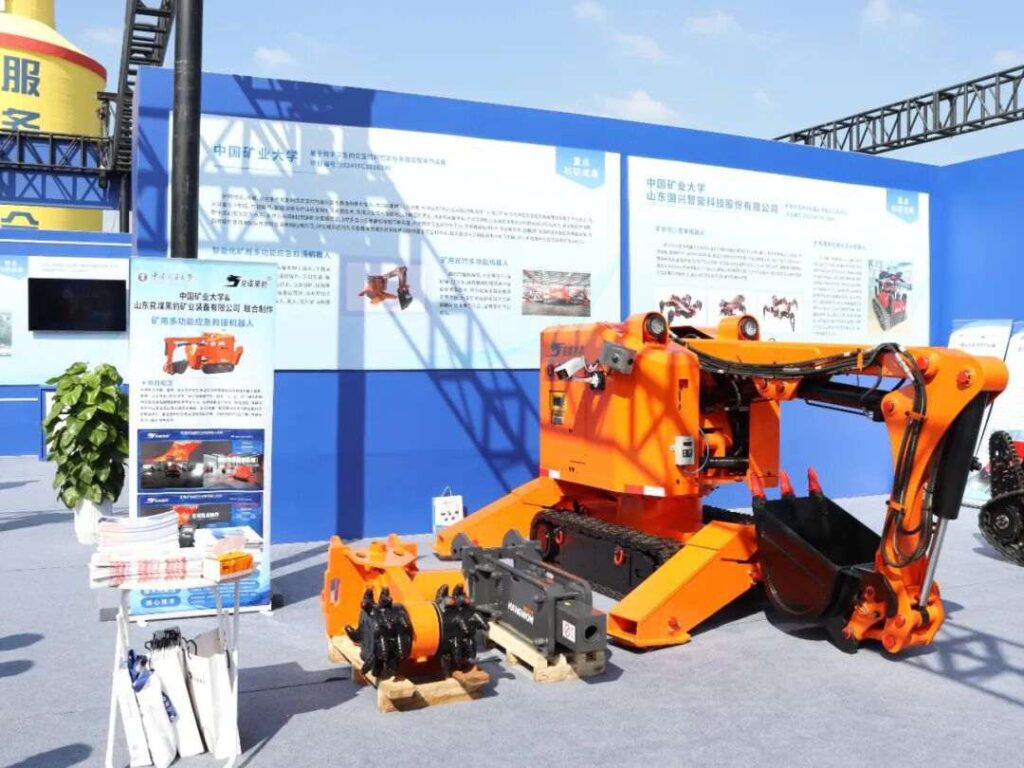
One of the most transformative developments in the mining sector is the widespread adoption of automation. Traditional operations, which relied heavily on manual labor or semi-automated machinery, are gradually being replaced by fully automated systems. This shift is not only improving efficiency but also reshaping how mining companies manage safety, resources, and operational planning. In China, manufacturers are investing heavily in creating intelligent machines that integrate remote control capabilities, AI-based monitoring, and IoT connectivity, allowing mining operations to function with unprecedented precision.
Automated machinery, such as excavators and drilling rigs equipped with advanced sensors and GPS, can significantly optimize material extraction. Real-time data collection enables machines to adjust drilling depth, speed, and trajectory automatically, reducing waste and energy consumption. Companies report productivity gains of up to 25% when transitioning to automated systems, alongside measurable reductions in accidents and operational downtime.
Benefits of Automated Mining Equipment China
- Enhanced productivity and output consistency
- Reduced human error and workplace accidents
- Real-time monitoring and predictive maintenance
- Lower operational costs through optimized fuel and energy use
Challenges in Adoption
Despite the clear advantages, integrating automated systems comes with challenges:
- High Initial Investment: Advanced equipment can be costly, and smaller operations may struggle to finance upgrades.
- Technical Expertise Required: Operators and maintenance staff must be trained to manage complex digital systems.
- Process Integration: New machinery must work seamlessly with existing workflows, which sometimes requires redesigning operational layouts and schedules.
Industry analysts predict that government policies promoting digitalization and smart manufacturing will accelerate the adoption of these advanced systems, creating a more competitive and sustainable mining landscape. Case studies from large coal and metal mining operations in China show that facilities implementing automation report both financial and safety improvements within the first year of deployment.
Trend 2: Green and Energy-Efficient Mining Equipment China

Environmental sustainability has emerged as a central concern for modern mining operations. Equipment manufacturers are responding by producing machinery that consumes less energy, emits fewer pollutants, and minimizes environmental impact. This shift is particularly noticeable in China, where stringent regulations and growing public awareness have accelerated the transition toward greener mining technologies.
Electric-powered machinery and hybrid systems are becoming increasingly common, alongside advanced filtration systems that reduce emissions and noise. Some manufacturers are even exploring fully battery-powered excavators and loaders for underground operations. By recovering energy during machine operation—such as converting braking or hydraulic energy back into usable power—mining operators can further cut fuel consumption.
Key Features of Eco-Friendly Mining Equipment China
- Electric and hybrid-powered machines
- Low-emission engines and exhaust control systems
- Recyclable and biodegradable materials in manufacturing
- Noise reduction technologies for sustainable operations
Comparative Analysis of Energy-Efficient Mining Equipment China
| Equipment Type | Traditional Energy Use | Modern Energy Use | Emission Reduction | Efficiency Improvement |
|---|---|---|---|---|
| Excavators | 120 L/day | 80 L/day | 33% | 25% |
| Drilling Machines | 100 L/day | 70 L/day | 30% | 20% |
| Loaders | 90 L/day | 60 L/day | 33% | 22% |
| Crushers | 150 L/day | 110 L/day | 27% | 18% |
As shown in the table, modern mining equipment China can significantly reduce energy consumption and emissions, contributing to more sustainable mining operations. This trend is gaining traction, particularly in large-scale mining projects where environmental compliance is a key requirement.
Trend 3: Digitalization and IoT Integration in Mining Equipment China
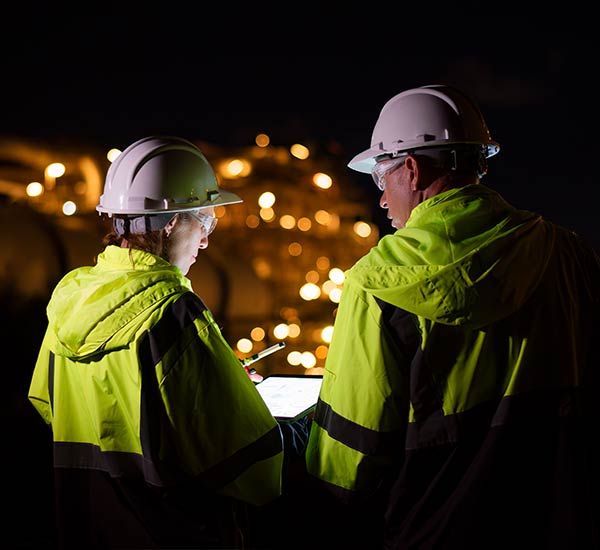
The adoption of digital technologies is transforming traditional mining operations. Mining companies are increasingly using IoT-enabled devices, cloud-based analytics, and artificial intelligence to enhance efficiency, safety, and resource management. Sensors installed on machinery collect real-time data on performance, fuel consumption, and operational conditions. This data is then transmitted to central systems where AI algorithms analyze it to optimize workflows, predict maintenance needs, and reduce downtime.
Practical Applications of Digital Mining Technologies
- Real-Time Monitoring: Sensors provide continuous updates on machine performance, identifying anomalies before they escalate into costly failures.
- Predictive Maintenance: AI-driven analytics predict component wear and maintenance requirements, reducing emergency repairs and extending equipment lifespan.
- Resource Optimization: Data analysis allows managers to plan the most efficient routes for material extraction and transportation.
- Automated Scheduling: Cloud-based systems coordinate multiple pieces of machinery to avoid bottlenecks and maximize productivity.
For example, a coal mining operation in northern China integrated IoT sensors into its fleet of loaders and excavators. Over six months, predictive maintenance reduced unexpected downtime by 30%, while overall fuel efficiency improved by 18%. Similar implementations in metal and mineral mining projects demonstrated a measurable reduction in labor costs, safety incidents, and energy consumption.y improves operational efficiency but also supports sustainability goals by reducing unnecessary energy use and equipment wear.
Benefits of Digitalized Equipment
- Operational Efficiency: Machines can operate continuously with minimal human intervention.
- Safety Improvements: Remote monitoring allows workers to manage machinery from safer locations.
- Data-Driven Decision Making: Managers can make informed decisions using real-time data analytics.
- Sustainability: Optimized operations reduce unnecessary energy use and material waste.
Challenges in Digital Integration
Despite the advantages, integrating digital solutions into mining operations presents challenges:
- High Setup Costs: IoT devices, cloud systems, and AI analytics require initial investment.
- Technical Expertise: Staff need training to interpret data and manage systems effectively.
- Data Security: Centralized systems must be protected against cyber threats to prevent operational disruptions.
The adoption of digital technologies is still accelerating. Companies that leverage IoT and AI are gaining a competitive edge by reducing operational costs, enhancing safety, and improving long-term sustainability.
Additional Considerations for Mining Equipment China
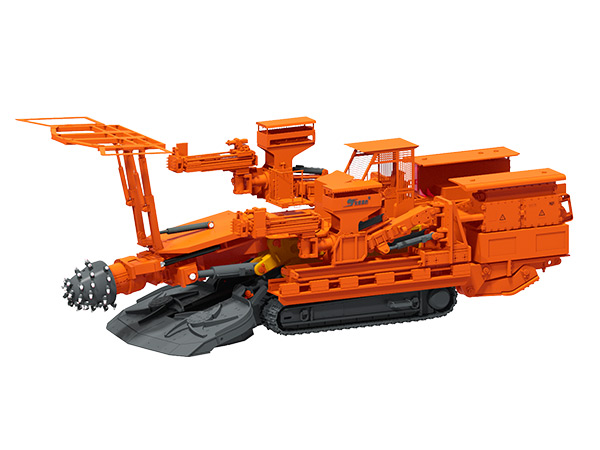
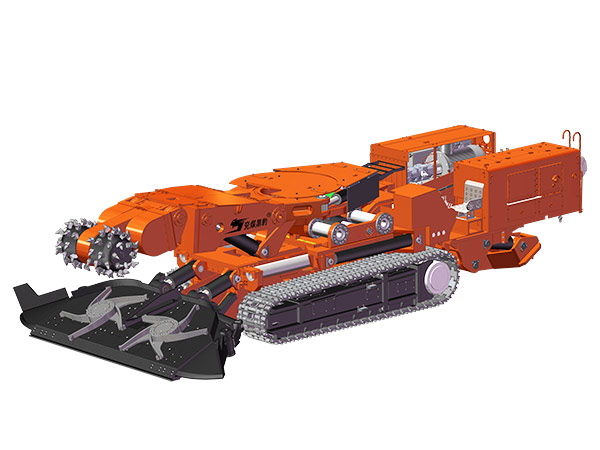
While automation, green technologies, and digitalization are the most prominent trends, several other factors influence the adoption and effectiveness of modern machinery:
Market Demand
Fluctuating demand for minerals, metals, and construction materials affects equipment procurement strategies. Mining projects in regions with high industrial growth prioritize advanced machinery to maximize output.
Government Regulations
Chinese authorities enforce strict environmental, safety, and quality standards. Compliance is critical for both domestic operations and international export markets.
Technological Innovation
Continuous research and development ensure that Chinese equipment remains competitive with international offerings. New technologies in battery systems, AI, and materials science are incorporated into modern machinery.
Operational Scalability
Mining operations of different sizes require machinery that is adaptable, modular, and capable of handling diverse tasks efficiently.
Case Studies
Metal Mining Project
Implemented a hybrid fleet of excavators and loaders, reducing diesel consumption by 20% and cutting noise pollution in nearby communities.
Coal Mining Operation
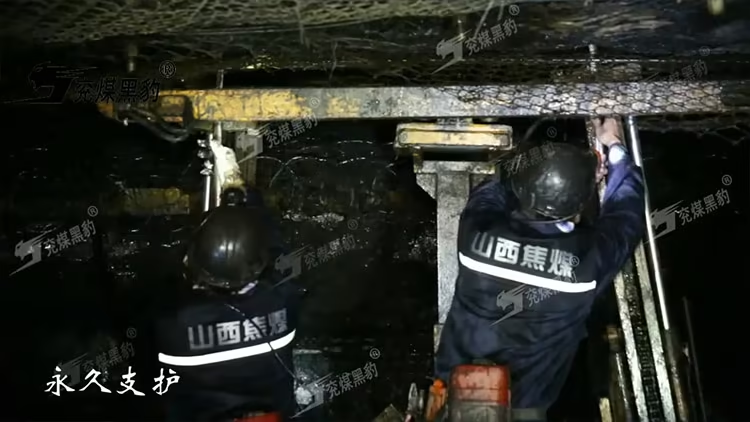
Introduced automated drilling systems with predictive maintenance, resulting in a 25% increase in operational uptime.
Construction Material Extraction
Used IoT-enabled crushers and transport vehicles to optimize workflow and reduce material loss by 15%.
These examples highlight that adopting advanced equipment is not just about following trends—it provides tangible operational and financial benefits.
Conclusion
Mining equipment China is at the forefront of technological innovation, offering powerful solutions that enhance productivity, sustainability, and operational intelligence. The trends highlighted—automation, energy efficiency, and digitalization—are not just temporary shifts; they represent a long-term transformation in how mining operations are conducted.
Companies that embrace these trends will likely gain a competitive edge, reduce operational costs, and comply with increasingly stringent environmental regulations. As mining continues to grow globally, mining equipment China will play a crucial role in shaping the future of the industry.
FAQ
Q1: What types of mining equipment China are most popular?
A1: Excavators, loaders, drilling machines, and crushers are among the most commonly used equipment, with modern versions incorporating automation and energy-efficient features.
Q2: How is mining equipment China evolving with technology?
A2: The industry is rapidly adopting smart systems, IoT integration, and AI-driven predictive maintenance to enhance efficiency and safety.
Q3: Is mining equipment China environmentally friendly?
A3: Recent innovations focus on energy-efficient engines, electric machinery, and emission-reducing technologies, making modern equipment more sustainable.
Q4: How can companies ensure the reliability of mining equipment China?
A4: Regular maintenance, predictive analytics, and sourcing from reputable manufacturers help ensure reliability and performance.
Q5: Are there significant challenges when adopting new mining equipment China?
A5: High initial costs, technical training requirements, and integration with existing systems are the main challenges, but the long-term benefits outweigh these hurdles.
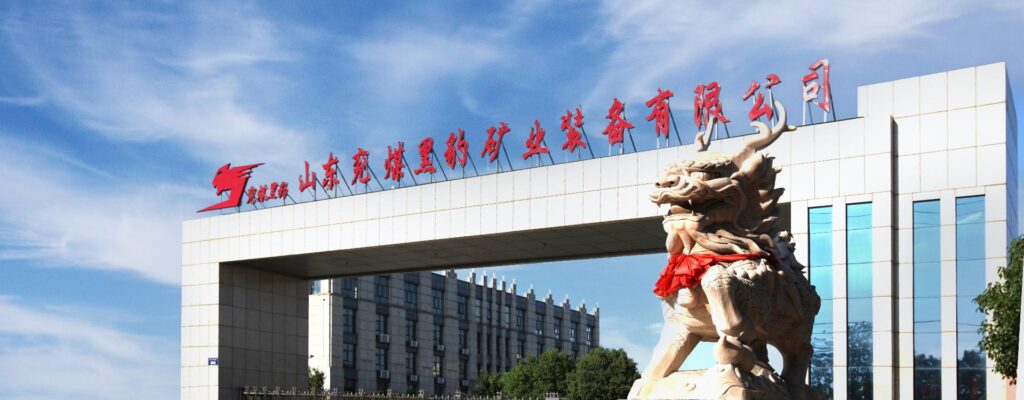
Welcome to Shandong Yanmei Heibao Mining Equipment Co., Ltd.! Since 2002, we’ve been redefining mining with intelligent equipment, delivering safer, more efficient, and sustainable solutions.
📌 Follow us for updates and insights:
- Facebook: Shandong Yanmei Heibao
- YouTube: Shandong Yanmei Heibao Channel
Join us to explore innovation and excellence in mining—together!