

Key Takeaways of this Blog:
- Explore global mining transportation challenges
- Learn how modern equipment like DDD30 Electric Monorail Crane, DL-Series Lithium Battery-Powered Monorail Crane, and CGYJ-22/4.2 Installation Vehicle can help
- Understand safety, efficiency, environmental, and cost considerations
- Compare traditional and modern mining transportation methods
- FAQ section addressing common user questions
Table of Contents
Introduction
Mining transportation is a critical component of the mining industry, involving the movement of raw materials, minerals, and heavy equipment within mines or between mining sites. Effective mining transportation reduces operational costs, improves worker safety, and ensures that production schedules are met.
Modern technology has introduced electric and lithium-powered monorail cranes, automated installation vehicles, and other innovative solutions. These advancements allow mining operations to overcome environmental, terrain, and logistical challenges more efficiently than traditional diesel-powered trucks or conveyor belts.
Safety Challenges in Mining Transportation
Hazardous Working Environments in South Africa
Mining in South Africa often occurs in deep-level gold and platinum mines, some reaching depths of over 3,000 meters. Workers in these mines face extremely confined spaces, high temperatures exceeding 50°C in some sections, and long underground tunnels with limited ventilation. These conditions not only increase the physical strain on workers but also elevate the risk of heat stress, fatigue, and accidents.
Efficient mining transportation is essential in these environments. Rapid and reliable transport of workers and materials reduces exposure time to hazardous conditions, ensuring that miners spend less time in high-risk zones. Additionally, reliable transportation systems help in emergency response, allowing for faster evacuation in case of collapses, flooding, or gas leaks. Mining transportation is thus not merely a logistical concern but a critical safety measure in deep-level mining operations.
South African mining authorities emphasize continuous monitoring and the use of advanced transport technologies to mitigate these risks. Solutions such as automated rail systems and electrically powered monorail cranes are increasingly adopted, offering smoother, faster, and safer transportation compared to conventional diesel vehicles that may stall or fail under harsh underground conditions.
Australian Mining Safety Risks
Australia’s mining industry, particularly in iron ore and coal-rich regions like Western Australia and Queensland, faces unique transportation safety challenges. Many mining sites are located on steep hillsides or within open-pit operations where haul roads can be narrow, winding, and subject to erosion or heavy rainfall. Equipment failures or delays in transporting materials can lead to serious accidents, including vehicle rollovers, collisions, and rockfalls.
In these environments, mining transportation must prioritize stability, load management, and operator safety. Companies increasingly rely on transportation solutions designed specifically for harsh terrain. Modern cranes and monorail systems, with their compact structure and precise control, can navigate narrow paths and uneven surfaces more safely than traditional trucks. These systems reduce the need for human operators to maneuver heavy loads in risky conditions, minimizing accidents and improving overall operational safety.
Another critical aspect is emergency preparedness. Australian mines are often spread across vast, remote areas, meaning that accidents can be difficult to respond to quickly. By incorporating modern mining transportation equipment that can operate reliably in adverse conditions, mining operators ensure faster evacuation, safer material handling, and reduced downtime after incidents.
DDD30 Electric Monorail Crane Enhancing Safety
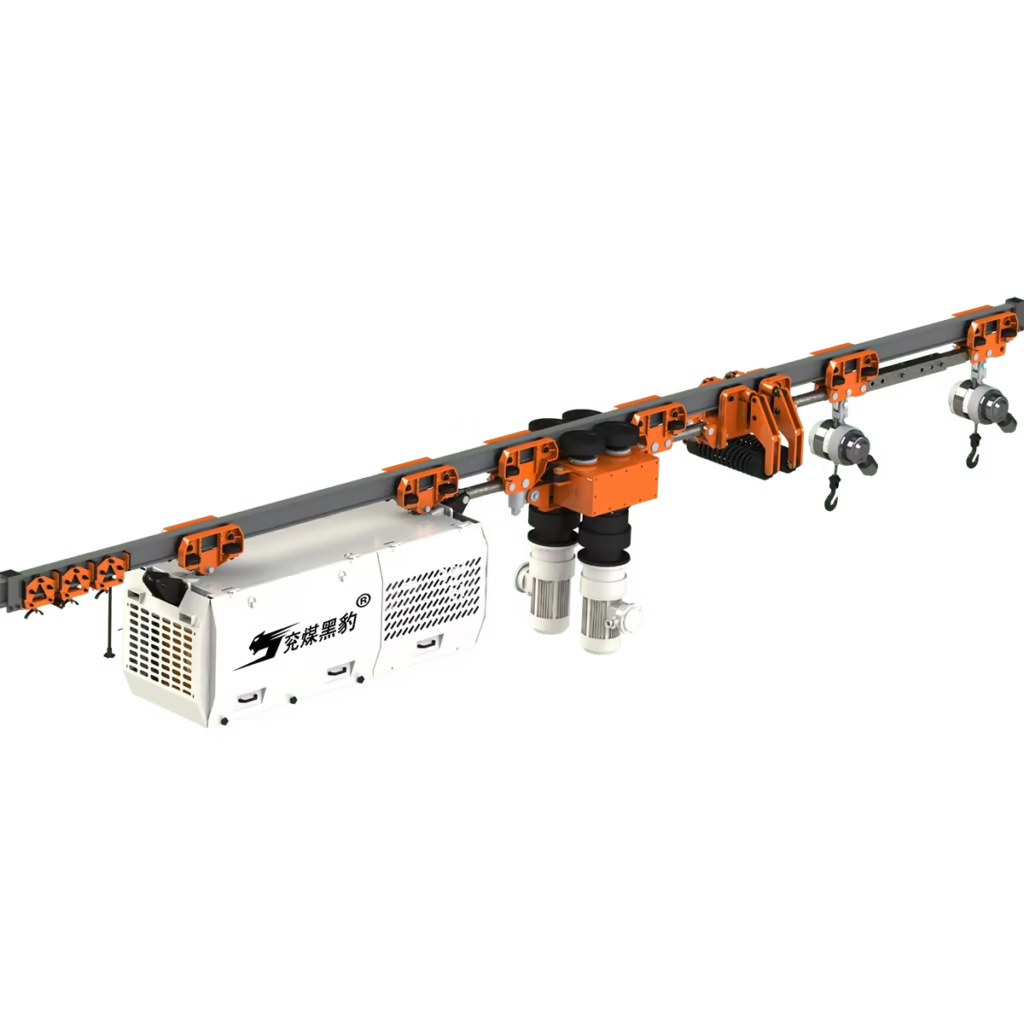
The DDD30 Electric Monorail Crane provides a technological solution to many of the safety challenges faced in both South African and Australian mines. Its design emphasizes operator protection, equipment reliability, and minimal maintenance, making it suitable for harsh and confined mining environments.
- Wireless Flameproof Remote Control: Operators can manage crane operations from a safe distance, reducing exposure to high-risk zones and dangerous loads. This feature is particularly valuable in deep underground mines where space is limited and manual handling could be hazardous.
- Multiple Protection Systems: Built-in overload sensors, anti-collision mechanisms, and emergency stop functions help prevent accidents caused by equipment malfunction. These systems ensure that both personnel and materials are protected, even under strenuous operational conditions.
- Low-Maintenance Design: Frequent equipment failure is a major contributor to safety hazards in mining transportation. The DDD30’s robust construction and simplified maintenance schedule reduce the likelihood of mechanical failure, ensuring continuous, reliable operation.
By integrating such advanced equipment, mining operators not only enhance operational efficiency but also create a safer work environment. The combination of remote control, protective systems, and low-maintenance design demonstrates how modern mining transportation technology directly addresses safety challenges in some of the world’s most demanding mining conditions.
Operational Efficiency in Mining Transportation
Bottlenecks in Canadian Mining Sites
In Canadian mines, particularly in remote regions of Ontario and Quebec, transportation efficiency is often hindered by long tunnel distances and uneven terrain. Traditional diesel vehicles struggle with reliability and maintenance, slowing down material delivery.
DL-Series Lithium Battery-Powered Monorail Crane Solutions
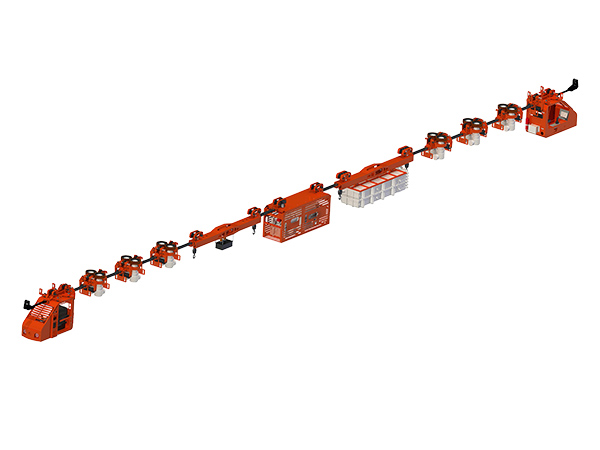
- Smooth operation on uneven roadways ensures timely material movement.
- Quick charging in 1.5–2 hours reduces downtime.
- One-time transport and installation of supports decreases labor needs, improving productivity.
Efficiency Comparison Table
| Parameter | Traditional Transport | Modern Mining Transportation |
|---|---|---|
| Speed | 0.5–1 m/s | Up to 2 m/s |
| Labor Intensity | High | Reduced by 40–50% |
| Maintenance | Frequent, costly | Low-maintenance, high reliability |
| Environmental Impact | High emissions | Zero emissions, low noise |
| Adaptability | Limited | Operates in narrow/uneven spaces |
This table illustrates how modern mining transportation solutions overcome the operational bottlenecks faced by traditional methods in remote or challenging locations.
Environmental Challenges in Mining Transportation
Desert Mining Challenges in Chile
Chile’s Atacama Desert is one of the world’s driest regions and hosts extensive copper mining operations. Environmental constraints include:
- Dust and Air Quality: Frequent dust storms make diesel vehicles a source of additional air pollution.
- Limited Water Resources: Diesel spills or fuel runoff can contaminate scarce water reserves.
- Fragile Ecosystems: Noise and emissions can damage sensitive desert flora and fauna.
Solution: Electric and lithium-powered monorail cranes reduce emissions and noise, while precise maneuvering minimizes soil disruption. Modern equipment helps companies meet environmental compliance and improve operational efficiency.
Eco-Friendly Mining Transportation in Chile
- Zero Emissions: No exhaust gases are produced.
- Low Noise Operation: Reduces disturbance to both workers and wildlife.
- Reduced Soil Disruption: Compact and precise equipment prevents unnecessary land damage.
Deploying such solutions ensures that mining operations are both productive and sustainable, maintaining Chile’s fragile desert ecosystem.
Strict Emission Regulations in Canada
Canadian mining companies, particularly in British Columbia and Alberta, operate under stringent emission standards. Traditional diesel vehicles often fail to comply due to:
- High exhaust emissions in underground and open-pit mines.
- Excessive noise pollution affecting nearby communities and wildlife.
- Increased operational costs due to fuel consumption and regulatory fines.
Solution: Modern mining transportation systems, including electric monorail cranes, eliminate emissions and reduce noise while maintaining high operational efficiency.
Environmental Sustainability in Canadian Mines
- Compliance with Regulations: Electric cranes meet federal and provincial environmental requirements.
- Biodiversity Protection: Reduced emissions and noise protect local ecosystems.
- Operational Continuity: Reliable and eco-friendly transport reduces downtime caused by environmental restrictions.
Lithium-Powered Cranes Reducing Impact
Lithium-powered cranes offer significant environmental advantages worldwide:
- Eliminate Exhaust Gases: Safe for underground and ecologically sensitive areas.
- No Waste Liquids: Prevent soil and water contamination.
- Energy Efficiency: Reduce electricity consumption compared to diesel-powered alternatives.
This makes lithium-powered cranes ideal for mining operations in Chile, Canada, and other regions with strict environmental requirements.
Infrastructure and Terrain Limitations in Mining Transportation
Underground Mining Challenges in Peru
Peru’s mountainous copper and silver mines pose significant transportation challenges:
- Narrow and Low-Clearance Tunnels: Restrict vehicle size and maneuverability.
- Steep Haul Roads: Require stable, high-traction transport systems.
- Remote Locations: Make equipment maintenance and emergency response difficult.
Solution: Compact and maneuverable equipment like the CGYJ-22/4.2 Mining Track Beam Auxiliary Installation Vehicle ensures safe and efficient transport of materials and personnel.
Advantages of Track Installation Vehicles in Peru
- Simultaneous Drilling and Track Installation: Streamlines operations and reduces downtime.
- Modular Design: Compatible with different track sizes and mine layouts.
- Labor Reduction: Minimizes physical strain and improves safety in difficult terrain.
Coal Mining Challenges in Indonesia
Indonesian coal mines face tropical conditions:
- High Rainfall: Roads become muddy and unstable, causing frequent vehicle delays.
- Soft Soil: Increases risk of vehicle sinking or accidents.
- Remote Terrain: Makes rapid material transportation difficult.
Solution: Modern monorail systems provide stable, adaptable transport with minimal failure rates.
Terrain Adaptability of Modern Monorail Systems
- High Stability: Reduces risk of accidents in soft or uneven ground.
- Consistent Operation in Rain: Equipment can continue working in tropical rainfall conditions.
- Reduced Maintenance Costs: Robust design minimizes downtime caused by terrain challenges.
Infrastructure and Terrain Limitations in Mining Transportation
Underground Mining in Peru
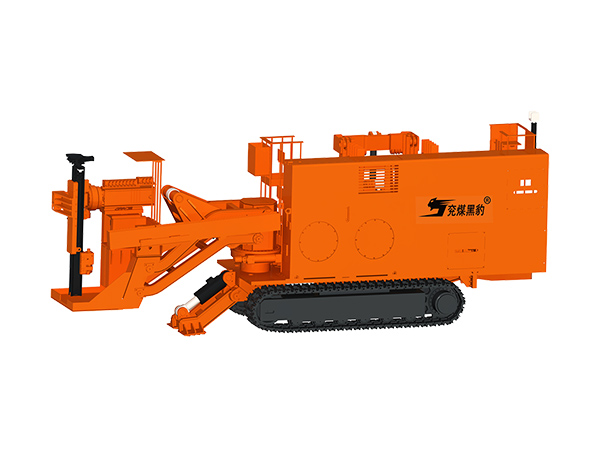
In Peru, many copper and silver mines are located in mountainous regions. Mining transportation must navigate steep slopes, low tunnels, and narrow haul roads. Equipment that is compact, highly maneuverable, and reliable, like the CGYJ-22/4.2 Mining Track Beam Auxiliary Installation Vehicle, is essential for safe and efficient operations.
Coal Mining in Indonesia
Indonesian coal mines face tropical terrain, high rainfall, and soft soils. Traditional vehicles often get stuck or are slowed by poor road conditions. Modern monorail systems provide stability, low failure rates, and adaptability for difficult terrain.
Track Installation Vehicles Improving Terrain Adaptability
- Allows simultaneous drilling and track installation, reducing downtime.
- Modular design adapts to various track sizes and configurations.
- Reduces labor intensity while maintaining safety in uneven and constrained mining areas.
Cost and Maintenance Considerations in Mining Transportation
High Costs in African Mines
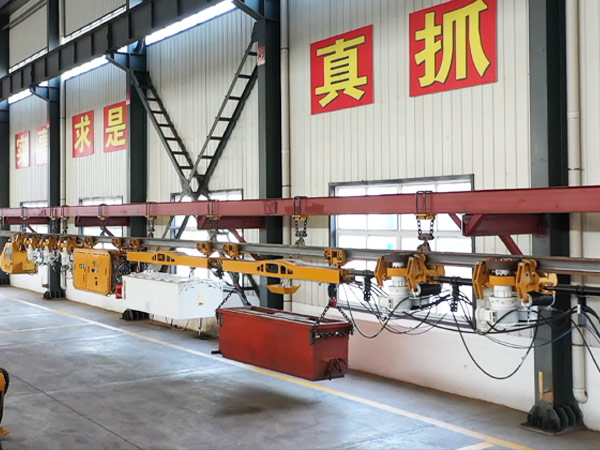
African mining sites often deal with high equipment maintenance costs due to harsh terrain and climate conditions. Equipment breakdowns delay transportation and raise labor costs, which can impact overall profitability.
Cost-Saving Solutions with Modern Mining Equipment
- Electric monorail cranes reduce frequent maintenance.
- Auxiliary installation vehicles lower labor costs.
- Energy-efficient equipment reduces fuel and electricity expenses.
Regional Cost Differences
- China: Advanced monorail technology has a higher upfront cost but reduces long-term operational expenses.
- Indonesia: Lower initial investment in diesel transport may incur higher maintenance and environmental costs.
Conclusion
Mining transportation is essential for safe, efficient, and sustainable mining operations worldwide. By adopting modern technologies such as electric and lithium-powered monorail cranes and track installation vehicles, mining companies can overcome operational, environmental, and safety challenges in diverse regions including South Africa, Australia, Canada, Chile, Peru, and Indonesia.
Efficient mining transportation not only improves productivity but also ensures compliance with environmental regulations and enhances worker safety. Investing in modern transportation solutions is a strategic choice for the future of mining operations globally.
FAQ
What is mining transportation?
Mining transportation is the movement of minerals, ores, and mining equipment within a mining site or between sites using vehicles, cranes, or rail systems.
How can I improve efficiency in mining transportation?
Use modern equipment like lithium battery-powered monorail cranes, electric monorail cranes, and track installation vehicles to reduce labor intensity, improve safety, and speed up operations.
Are electric cranes suitable for all mining terrains?
Yes, cranes such as DDD30 Electric Monorail and DL-Series lithium models are designed for narrow, uneven, or constrained spaces, making them adaptable to most mining sites.
What are the environmental benefits of modern mining transportation?
Zero emissions, reduced noise, and lower energy consumption make electric and lithium-powered systems environmentally friendly compared to traditional diesel vehicles.
How do I choose between traditional and modern mining transportation methods?
Evaluate terrain, labor costs, environmental regulations, and operational efficiency. Modern solutions are generally safer, faster, and more eco-friendly.
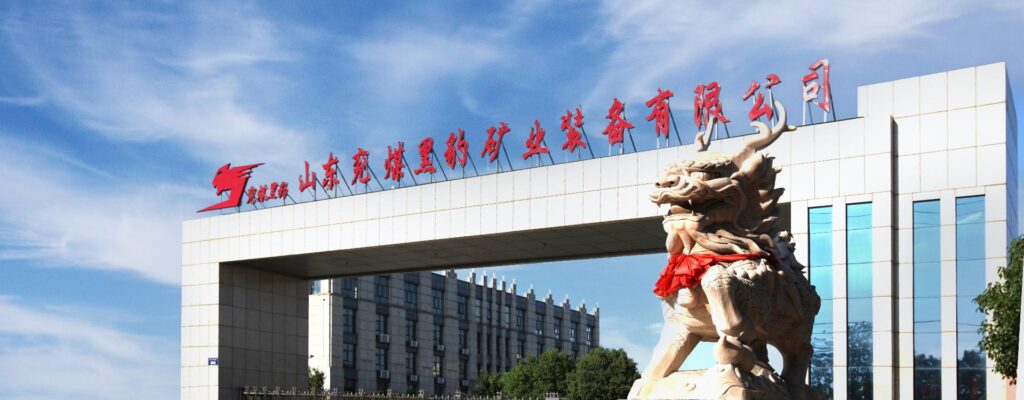
Welcome to Shandong Yanmei Heibao Mining Equipment Co., Ltd.! Since 2002, we’ve been redefining mining with intelligent equipment, delivering safer, more efficient, and sustainable solutions.
📌 Follow us for updates and insights:
- Facebook: Shandong Yanmei Heibao
- YouTube: Shandong Yanmei Heibao Channel
Join us to explore innovation and excellence in mining—together!