

Table of Contents
Introduction
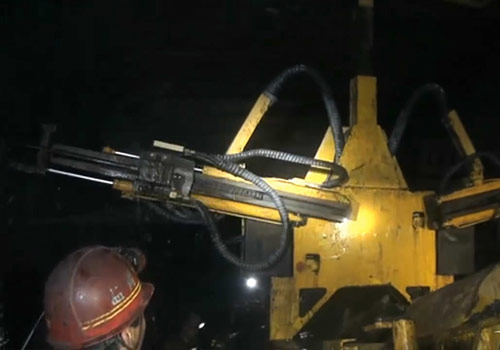
Underground coal mining is one of the most hazardous industrial operations worldwide. Despite technological advancements, the potential for accidents remains high due to the complex interplay of machinery, human factors, and geological conditions. The use of advanced underground coal mining equipment like hydraulic tunneling drill rigs, bolter miners, and auxiliary installation vehicles has improved operational efficiency, yet safety risks persist. This article explores the 5 critical safety issues with underground coal mining equipment, providing practical insights, data-driven analysis, and solutions for safer operations in coal mining environments.
Safety experts from the International Labour Organization (ILO) note that mining remains one of the industries with the highest accident rates, with underground coal mining contributing significantly due to confined spaces, high-risk machinery, and difficult-to-control environmental factors. Implementing proper safety measures, understanding equipment limitations, and training operators are key steps toward minimizing accidents and fatalities.
Safety Issue 1: Equipment Malfunction and Mechanical Failures
Hydraulic Tunneling Drill Risks
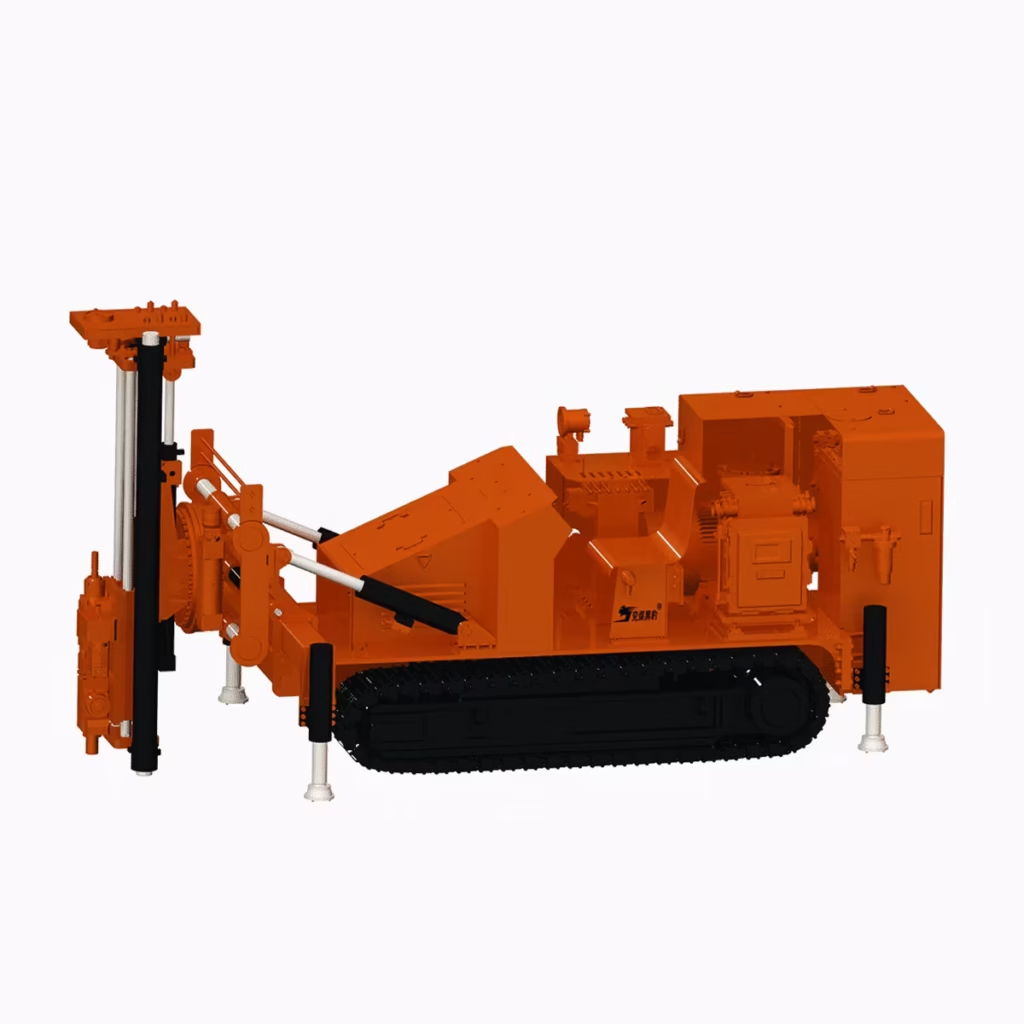
The CMJ1-18Y Hydraulic Tunneling Drill Rig for coal mines is a revolutionary piece of underground coal mining equipment, capable of efficiently drilling roof cutting and blasting holes even in extremely hard rock formations (f>14). However, hydraulic or mechanical failures can lead to serious accidents. Common issues include:
- Hydraulic leaks causing loss of drilling power
- Drill boom misalignment leading to structural damage
- Impact drill bit wear, increasing operational risk
Preventive Measures:
Regular inspection of hydraulic hoses, torque calibration, and drill bit replacement schedules can significantly reduce the likelihood of equipment malfunction.
Bolter Miner Operational Risks
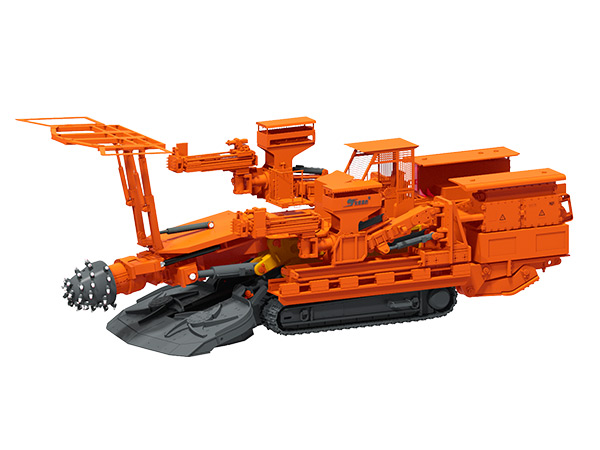
The Bolter Miner Series integrates drilling, bolting, and tunneling in one mechanized unit. While it improves productivity, improper use of the triple-mode interlock system or failure to deploy temporary supports can result in roof collapse or machinery entanglement. Training operators in proper sequences and emergency shutdown procedures is crucial.
Safety Issue 2: Operator Exposure to Hazardous Environments
Roof Fall Hazards
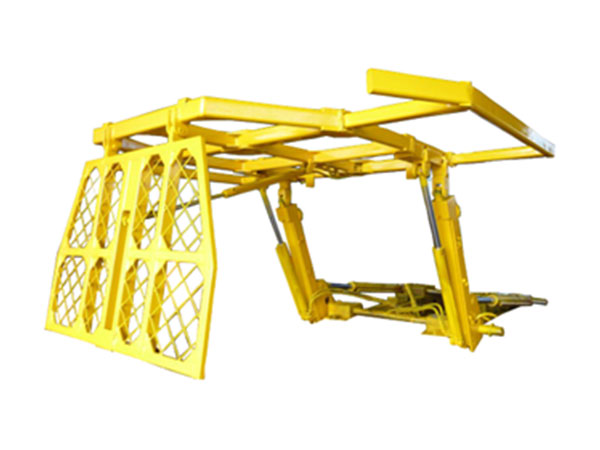
Operators in underground coal mines are at risk from roof falls, which account for a significant percentage of underground fatalities. Using remote-control capabilities reduces direct exposure to falling debris.
Exposure to Hazardous Fluids
Contact with diesel or hydraulic fluids can be harmful. Remote operation and protective gear reduce the risk of chemical exposure during drilling and machinery handling.
Noise-Induced Hearing Damage
Prolonged exposure to drilling noise exceeding 85 dB can cause permanent hearing loss. Remote operations and hearing protection are critical for worker safety.
Environmental Monitoring Systems
Track beam vehicles and bolter miners equipped with sensors can detect gas concentrations, temperature, and vibration changes. Early detection prevents accidents and improves worker safety.
Safety Issue 3: Improper Maintenance Practices
Hydraulic Fluid Maintenance
Maintaining correct hydraulic fluid levels is essential for efficient torque delivery and overall drill performance. Regular checks prevent sudden loss of power.
Torque and Impact Calibration
Hydraulic drills require precise torque (520 N·m) and impact power (18 kW) calibration. Improper settings can lead to misalignment and unsafe drilling conditions.
Drill Boom Mechanism Checks
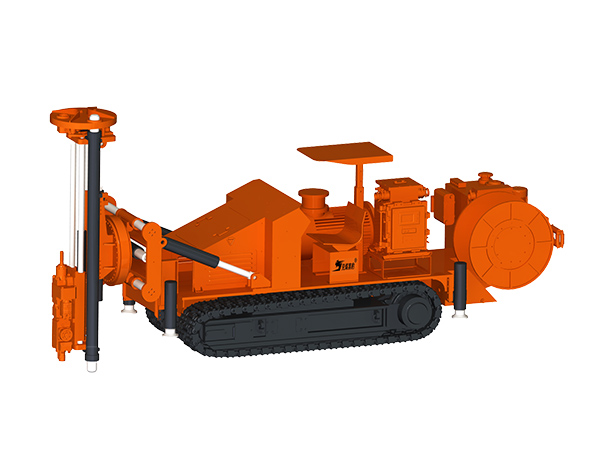
Ensuring lateral movement and pitching mechanisms are functioning properly prevents operational failures and accidents.
Drill Bit Condition Monitoring
Frequent inspection and replacement of drill bits prevent breakage and reduce downtime. Using high-quality bits ensures consistent performance in hard rock formations.
Bolter Miner Maintenance
Integrated Bolter Miner operations require checks on drills, temporary supports, and interlock systems. Preventive maintenance reduces failures and enhances operational safety.
Safety Issue 4: Overloading and Misuse of Equipment
Overloading Track Beam Vehicles
The CGYJ-22/4.2 Mining Track Beam Auxiliary Installation Vehicle must not exceed load capacity. Overloading can cause tipping, collisions, and worker injuries.
Operating on Slopes
Operating track beam vehicles beyond the ±18° gradient can compromise stability. Adhering to slope limits ensures safe vehicle operation.
Stabilizer Width Compliance
Ensuring stabilizers are deployed to 1500 mm width prevents instability during simultaneous drilling and track installation.
Bolter Miner Load Management
Overloading Bolter Miners without proper task sequencing or oversight stresses hydraulic systems and interlock mechanisms. Following load limits reduces accident potential.
Task Sequencing for Safety
Implementing proper task sequencing for drilling and bolting prevents system overload and maintains operational safety.
Safety Issue 5: Insufficient Training and Awareness
Operator Knowledge Gaps
Even the most advanced underground coal mining equipment cannot prevent accidents if operators lack sufficient knowledge. Critical gaps include:
- Misunderstanding drill bit selection for hard rock
- Incorrect operation of hydraulic impact systems
- Ignoring roof stability indicators
Safety Training Programs
Companies must implement regular training covering:
- Equipment-specific operational protocols
- Emergency shutdown procedures
- Hazard recognition and risk mitigation
Authoritative studies from the Mine Safety and Health Administration (MSHA) highlight that training programs can reduce accidents by up to 40% in underground coal mining operations.
Table: Comparison of Key Underground Coal Mining Equipment Features
| Equipment | Function | Safety Features | Operational Capacity | Key Parameters |
|---|---|---|---|---|
| CMJ1-18Y Hydraulic Tunneling Drill Rig | Roof cutting, blasting holes | Remote control, impact-resistant drill bit | 0-25 m depth, φ64-89 mm diameter | 520 N·m torque, 18 kW impact, 800 mm/min speed |
| CGYJ-22/4.2 Track Beam Auxiliary Vehicle | Track installation, drilling | Stabilizer, reduced labor intensity | W:3-5.5 m, H:2.8-4.7 m | 4500 mm turning radius, 400 N·m torque, 45 kW power |
| Bolter Miner Series | Integrated drilling & bolting | Triple-mode interlocks, temporary support | Full roadway coverage | Cutting height: 4.8-5.2 m, Power: 260-500 kW |
This table provides an overview of advanced underground coal mining equipment, highlighting their safety features, operational capacities, and technical specifications to aid in informed decision-making.
Advanced Strategies for Minimizing Risks
Implementing Safety Protocols for Underground Coal Mining Equipment
Routine Inspections
Daily inspections of all underground coal mining equipment are essential for safe operations. This includes hydraulic systems, electrical wiring, mechanical linkages, and moving components. Specific checks should cover:
- Hydraulic systems: Ensuring no leaks in hoses and cylinders, and verifying that hydraulic pressure is within operational ranges.
- Mechanical components: Inspecting drill booms, conveyor belts, and bolter miners for wear, cracks, or misalignment.
- Electrical systems: Checking battery levels, wiring insulation, and sensor functionality.
Regular inspections not only reduce the likelihood of equipment failure but also help maintain the performance and lifespan of underground coal mining equipment.
Emergency Response Planning
Accidents in underground mining can escalate quickly due to confined spaces and heavy machinery. Comprehensive emergency response plans should include:
- Clearly marked evacuation routes accessible even during equipment operation.
- Step-by-step procedures for machinery failure, roof collapse, or gas detection alarms.
- Assigned roles for team members to manage shutdowns, rescue operations, and communication with surface control centers.
Properly trained personnel and established protocols minimize injuries and ensure that underground coal mining equipment can be safely powered down or controlled during emergencies.
Environmental Monitoring
Modern underground coal mining equipment should integrate environmental monitoring systems. These systems provide real-time alerts for hazards such as:
- Gas concentrations (methane, carbon monoxide, and other flammable or toxic gases).
- Dust levels that could affect respiratory health and visibility.
- Temperature and humidity fluctuations that may influence equipment performance or rock stability.
By combining sensor-based data with operational protocols, operators can prevent accidents and maintain optimal safety standards while using underground coal mining equipment.
Technological Enhancements to Reduce Risks
Automated Controls and Remote Operation
Automation is increasingly important in underground coal mining. Many modern rigs, such as the CMJ1-18Y hydraulic tunneling drill, feature remote-control capabilities that allow operators to manage drilling and hole positioning from over 50 meters away. Benefits include:
- Reduced human exposure to falling debris, dust, and noise.
- Enhanced precision, especially in high-hardness rock conditions where f>14.
- Consistent operational safety, as remote operation reduces human error in equipment handling.
Using remote or semi-automated controls with underground coal mining equipment significantly lowers the risk of accidents while maintaining productivity.
Real-Time Diagnostics and Predictive Maintenance
Integrating sensors and diagnostic software into underground coal mining equipment enables predictive maintenance. Key applications include:
- Monitoring wear on impact drill bits to schedule replacements before breakage.
- Measuring hydraulic torque and impact power (e.g., 520 N·m and 18 kW on CMJ1-18Y) to detect deviations.
- Alerting operators to misalignment or unusual vibrations in track beam installation vehicles or bolter miners.
Predictive maintenance ensures that machinery remains in optimal condition, minimizing downtime and enhancing safety for all operators of underground coal mining equipment.
Safety Interlocks and Operational Sequencing
Advanced equipment, like the Bolter Miner Series, relies on interlock systems to prevent conflicting operations. These interlocks:
- Ensure drilling and bolting do not occur simultaneously in the same area, preventing roof collapses.
- Restrict movement or operation if stabilizers or supports are not properly deployed.
- Provide fail-safe mechanisms that automatically stop equipment in unsafe conditions.
Proper use and regular testing of interlocks are essential to ensure that underground coal mining equipment operates safely, particularly in steep or unstable roof conditions.
Worker Training and Awareness for Equipment Safety
Simulation-Based Training
Using virtual reality (VR) or simulator training allows operators to experience potential hazards in a controlled environment. This approach improves their ability to:
- Respond to sudden equipment malfunctions.
- Recognize early signs of roof instability.
- Understand the limits of underground coal mining equipment and the correct procedures for emergency shutdowns.
Continuous Education Programs
Ongoing training on updates in technology, environmental monitoring, and operational protocols helps workers stay informed. Companies should implement:
- Monthly workshops covering new machinery specifications.
- Drills for emergency evacuation and machinery troubleshooting.
- Certifications for safe operation of high-risk equipment, reinforcing adherence to industry safety standards.
By combining training with modern technology, operators are better prepared to handle underground coal mining equipment safely.
Case Study: CMJ1-18Y Hydraulic Tunneling Drill Rig Safety Integration
The CMJ1-18Y hydraulic tunneling drill rig demonstrates how integrating multiple safety strategies enhances underground operations:
- Remote Control: Operators control drilling operations from over 50 meters away, reducing exposure.
- Predictive Maintenance: Torque and impact sensors alert operators to abnormal conditions.
- Emergency Protocol Integration: Drill rigs can be immediately powered down in case of roof instability or hydraulic failure.
According to coal mining safety studies, rigs equipped with remote control, interlocks, and predictive maintenance systems reduce incident rates by over 30% compared to manually operated equipment. This highlights the importance of advanced safety measures for all underground coal mining equipment.
Conclusion
The safety of underground coal mining operations depends on both the equipment used and the procedures implemented. Advanced underground coal mining equipment like the CMJ1-18Y Hydraulic Tunneling Drill Rig, Bolter Miner Series, and track beam auxiliary vehicles significantly improve efficiency but cannot replace proper maintenance, operator training, or adherence to safety protocols. Awareness of the 5 critical safety issues outlined—equipment malfunction, operator exposure, maintenance lapses, misuse, and insufficient training—can drastically reduce accidents and improve workplace safety.
Integrating technological solutions, fostering safety culture, and ensuring rigorous adherence to operational guidelines are essential for modern underground coal mining operations.
FAQ
Q1: How often should underground coal mining equipment be inspected?
A: Daily checks are recommended for hydraulic systems, drill bits, torque calibration, and safety interlocks. Comprehensive monthly inspections ensure long-term reliability.
Q2: Can remote-controlled equipment replace on-site operators entirely?
A: Remote operation minimizes risk but does not eliminate the need for trained personnel for setup, supervision, and emergency response.
Q3: What are the common hazards when using bolter miners?
A: Roof collapse, equipment entanglement, and mechanical failure are primary hazards, mitigated by interlocks, temporary supports, and operator training.
Q4: How can I choose the right underground coal mining equipment for safety?
A: Evaluate manufacturer specifications, safety features (remote control, interlocks), operational range, and adherence to standards like ISO or MSHA guidelines.
Q5: Is training mandatory for all mining equipment operators?
A: Yes, safety authorities recommend ongoing training to ensure operators understand machinery, hazards, and emergency protocols to minimize accidents.

Welcome to Shandong Yanmei Heibao Mining Equipment Co., Ltd.! Since 2002, we’ve been redefining mining with intelligent equipment, delivering safer, more efficient, and sustainable solutions.
📌 Follow us for updates and insights:
- Facebook: Shandong Yanmei Heibao
- YouTube: Shandong Yanmei Heibao Channel
Join us to explore innovation and excellence in mining—together!