

Underground mining is one of the most challenging industrial environments on Earth. When you combine confined spaces, heavy loads, and unpredictable geology, it becomes clear that safety cannot be an afterthought—it must be engineered into every step. A crane mine system is designed to move heavy equipment and support systems in tunnels, but it also introduces unique risks such as electrical faults, mechanical failures, and human error.
In the last decade, mining operations have increasingly relied on battery-powered monorail cranes, especially in coal and metal mines where ventilation and emissions are critical. These systems improve efficiency and reduce pollution, but they also demand strict safety control. This article expands on the core safety strategies for crane mine operations, combining practical tips with professional concepts, real-world data, and authoritative references.
Table of Contents
Why Safety Matters in a Crane Mine Environment
The High-Risk Nature of Underground Mining
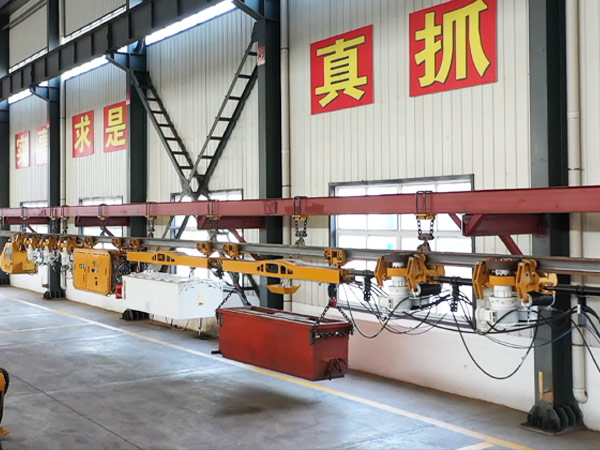
Mining accidents often occur due to limited escape routes, poor lighting, and unstable rock conditions. When you add heavy machinery such as a crane mine system, the risk of serious injury increases. According to global mining safety reports, over 60% of underground accidents involve material handling and equipment operation, meaning that crane systems must be managed with extra caution.
The Cost of Failure
A single incident can cause:
- equipment downtime
- major production losses
- costly repairs
- human injury or fatalities
The International Labour Organization (ILO) emphasizes that mining is among the top three industries for occupational risk, and material handling is one of the leading causes of accidents. This means that a crane mine must be designed and operated under strict safety frameworks.
Tip 1: Choose the Right Crane Mine Type for Your Roadway
Concept: Flameproof vs Non-Flameproof
In many underground environments, gas buildup or coal dust creates an explosive atmosphere. Flameproof cranes are designed to prevent sparks and heat from igniting the surrounding atmosphere. For mining environments, flameproof systems are not just recommended—they are often mandatory.
Standards and regulations commonly used for flameproof equipment include:
- IECEx (International Electrotechnical Commission System for Certification to Standards Relating to Equipment for Use in Explosive Atmospheres)
- ATEX (European Directive for explosive atmospheres)
- MSHA (U.S. Mine Safety and Health Administration) for mining safety
A flameproof crane mine system reduces the risk of catastrophic accidents, especially in coal mines where methane is a constant threat.
Concept: Battery-Powered Flameproof Monorail Cranes
Modern flameproof battery-powered monorail cranes combine safety with efficiency. These systems often include:
- high traction force (e.g., up to 360 kN), enabling transport on steep gradients
- one-button motor disengagement, ensuring system reliability
- independent motor protection, enabling real-time monitoring
This design is particularly important in steep underground roads where traction failure can cause uncontrolled load movement.
Tip 2: Implement Real-Time Monitoring and Protection Systems
Concept: Independent Motor Protection
Each motor in a crane mine system should have independent protection and monitoring. This includes:
- motor current monitoring
- temperature monitoring
- overload protection
- fault detection
These systems are not optional; they prevent overload and mechanical failure before they occur.
Concept: One-Button Motor Disengagement
If one motor unit fails, a well-designed system can disengage it with a single button, while other motors continue working. This design ensures continuous operation and reduces the risk of sudden stops or load drops.
Concept: Real-Time System Health Management
Real-time monitoring allows managers to track equipment health and schedule maintenance before a failure occurs. This is a key principle in Predictive Maintenance, which reduces downtime by up to 30–40% in many industries.
Tip 3: Use Energy-Efficient and Eco-Friendly Systems
Concept: Battery-Powered Monorail Cranes
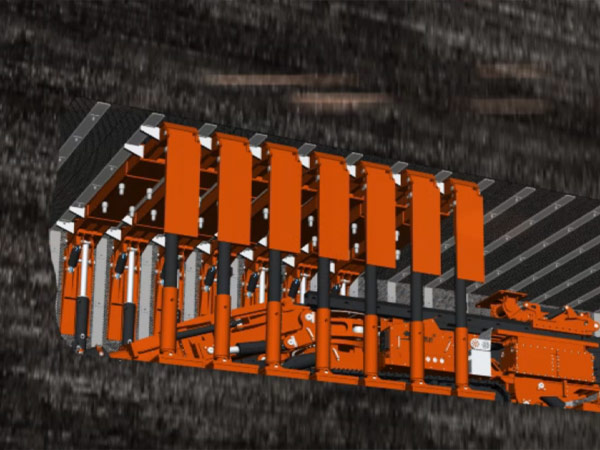
Battery-powered systems are the future of underground mining because they:
- eliminate exhaust gases
- reduce noise pollution
- improve air quality
- reduce ventilation costs
According to mining energy reports, ventilation can consume up to 40% of a mine’s total energy. By using battery systems, you reduce the need for intense ventilation, which also increases safety.
Concept: Reverse Charging and Fast Charging
Some advanced crane mine systems support:
- reverse charging, converting potential energy into electrical energy during downhill travel
- fast charging, completing a full charge in 1.5–2 hours
This improves efficiency and ensures the system remains operational during long shifts.
Environmental and Safety Benefits
Battery systems reduce:
- carbon emissions
- heat generation
- noise levels
- toxic fumes
This improves worker health and reduces the risk of fatigue-related accidents.
Tip 4: Improve Passability and Adaptability in Narrow Roadways
Concept: Strong Passability
Underground tunnels are often narrow and irregular. A crane mine system must be able to pass through confined spaces while maintaining stability.
Concept: Adaptability to Roadway Deformation
Roadway roof deformation and uneven ground are common underground. Systems that can adapt to uneven tunnels reduce the risk of derailment or load imbalance.
Concept: Compact Structure and Low Failure Rate
The DDD30 electric monorail crane is a good example of a compact design that offers:
- low failure rate
- easy maintenance
- wireless flameproof remote control
This type of design improves operational safety in small tunnels.
Tip 5: Prioritize Remote Control and Intelligent Operation
Concept: Wireless Flameproof Remote Control
Remote control keeps operators away from hazardous zones and reduces exposure to dangerous environments.
Concept: Intelligent Monitoring and Unmanned Operation
Modern systems can connect to:
- LAN networks
- the Internet
- remote monitoring systems
This enables managers to monitor operation in real time and supports automated or unmanned operation.
Concept: Human-Machine Interface (HMI)
A good HMI provides:
- clear status alerts
- real-time diagnostics
- operational logs
- safety alarms
This ensures that operators can respond quickly to issues.
Crane Mine Types Comparison Table
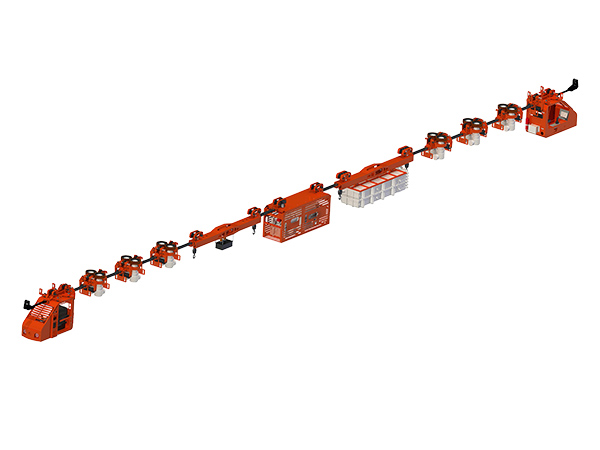
| Crane Mine Type | Key Features | Safety Benefits | Best Use Case |
|---|---|---|---|
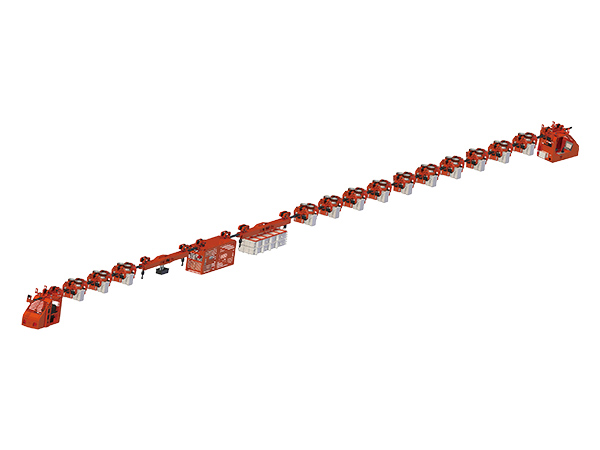
| One-to-One Flameproof Battery Monorail Crane | High traction (360 kN), one-button motor disengage, real-time motor protection | High reliability, strong coordination | Steep gradients, heavy load transport |
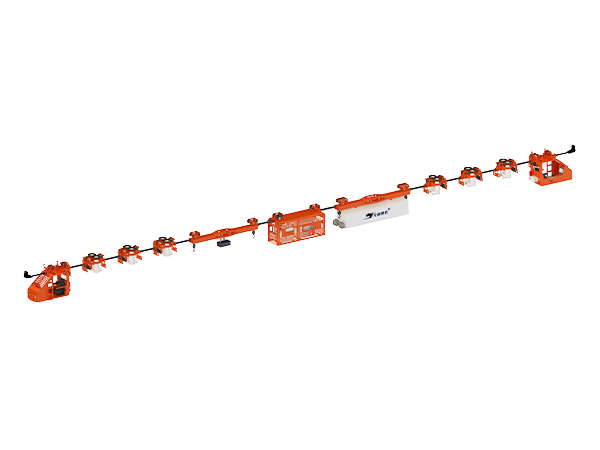
| DL-Series Lithium Battery Monorail Crane | Strong adaptability, fast charging (1.5–2 hours), remote monitoring | Eco-friendly, low emissions | Narrow tunnels, high efficiency |
| DX-Series Flameproof Battery Mining Monorail Crane | Reverse charging, strong passability, remote operation | High safety, energy recovery | Long-distance transport, high safety requirements |
| DDD30 Electric Monorail Crane | Compact structure, wireless remote control, low failure rate | Simple maintenance, high safety | Small tunnels, frequent movement |
Additional Professional Sections
Section 1: The Role of Crane Mine in Modern Underground Logistics
Concept: Integrated Transport System
A crane mine is not only a lifting device; it is part of an integrated logistics system that supports:
- ore transportation
- support system installation
- equipment relocation
- emergency rescue support
Concept: Underground Material Flow
Mining operations depend on continuous material flow. A reliable crane mine ensures that support systems and equipment arrive on time, preventing production delays.
Concept: Load Handling Efficiency
A well-designed system can handle heavy loads in one operation, reducing labor and improving safety.
Section 2: Common Causes of Crane Mine Accidents and Prevention
Concept: Human Error
Many accidents are caused by:
- improper operation
- poor communication
- lack of training
Concept: Mechanical Failure
Mechanical failures include:
- motor overload
- derailment
- brake failure
- structural fatigue
Prevention Strategies
- mandatory training and certification
- daily safety checks
- preventive maintenance schedule
- real-time monitoring and alarms
Section 3: Safety Management System for Crane Mine Operations
Concept: Risk Assessment
Before operating a crane mine, managers must perform a risk assessment covering:
- environment conditions
- load type
- worker proximity
- emergency escape routes
Concept: Standard Operating Procedures (SOPs)
SOPs must include:
- operation checklist
- emergency response plan
- maintenance schedule
- safety training program
Concept: Incident Reporting
A strong safety culture requires a transparent reporting system for near-misses and accidents.
Section 4: Comparison of Crane Mine Power Sources
Concept: Diesel vs Electric vs Battery
Diesel cranes are powerful but produce emissions and noise.
Electric cranes are cleaner but require overhead power lines.
Battery cranes offer the best balance of mobility and environmental safety.
Comparison Summary
| Power Type | Pros | Cons |
|---|---|---|
| Diesel | Strong power, long runtime | Emissions, high ventilation demand |
| Electric | Stable power, low emissions | Limited mobility |
| Battery | Eco-friendly, flexible | Requires charging management |
Section 5: Advanced Concepts in Crane Mine Safety
Concept: Fail-Safe Design
Fail-safe design means that the system defaults to a safe state when a fault occurs. This is critical in underground environments.
Concept: Redundancy
Redundancy means having backup systems. In a crane mine, this includes:
- multiple motor units
- backup power
- emergency braking systems
Concept: Predictive Maintenance
Predictive maintenance uses real-time data to predict failures before they happen. This is increasingly used in modern mining equipment.
Final Thoughts
A crane mine system is a powerful tool for underground mining, but it must be managed with safety-first thinking. By choosing the right crane type, using real-time monitoring, prioritizing eco-friendly systems, and leveraging remote control, you can significantly reduce risks and improve productivity.
FAQ
What is a crane mine and why is it used?
A crane mine is an underground crane system used for transporting heavy materials, support systems, and equipment in tunnels. It supports continuous underground logistics.
How do flameproof cranes improve mine safety?
Flameproof cranes prevent sparks and electrical faults from igniting explosive gases, making them safer for use in coal mines and methane-rich environments.
Can a crane mine operate in narrow tunnels?
Yes, modern crane mine systems like battery-powered monorail cranes are designed for strong passability and can operate in narrow spaces.
What are the advantages of battery-powered crane mine systems?
Battery systems are eco-friendly, produce no exhaust gases, reduce noise, and support fast charging and intelligent monitoring.
How often should crane mine equipment be inspected?
Inspection frequency depends on usage intensity and environmental conditions. A best practice is daily visual checks and monthly comprehensive inspections.
What are the main safety standards for crane mine equipment?
Common standards include IECEx, ATEX, and MSHA for safety and explosion protection.
What should be included in a crane mine safety checklist?
- motor and brake checks
- battery and power system checks
- load and hook inspection
- emergency stop test
- communication and remote control testing
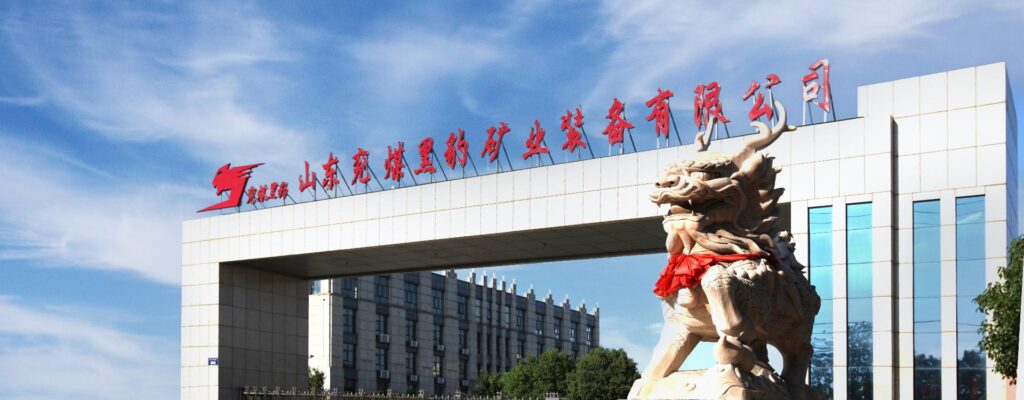
Welcome to Shandong Yanmei Heibao Mining Equipment Co., Ltd.! Since 2002, we’ve been redefining mining with intelligent equipment, delivering safer, more efficient, and sustainable solutions.
📌 Follow us for updates and insights:
- Facebook: Shandong Yanmei Heibao
- YouTube: Shandong Yanmei Heibao Channel
Join us to explore innovation and excellence in mining—together!