

Table of Contents
Introduction

Selecting the right mining safety equipment suppliers is one of the most critical decisions for mining operations. Mining is an inherently hazardous industry, and the safety of employees depends heavily on the quality and reliability of the equipment used. From helmets and protective clothing to ventilation systems and gas detectors, choosing suppliers that meet high safety standards can literally save lives.
However, with so many suppliers on the market, identifying the right ones can be a challenging task. This blog will explore six must-know issues when evaluating mining safety equipment suppliers. These considerations will help you make informed decisions and reduce risks associated with mining operations. We will discuss supplier reputation, product quality, compliance, pricing, delivery reliability, and after-sales support, providing detailed insights for mining companies.
NO.1 Supplier Reputation and Reliability

One of the most important factors when selecting mining safety equipment suppliers is their reputation within the industry. A supplier’s track record can provide a clear indication of the quality, reliability, and consistency of their products and services. Choosing a reputable supplier can mean the difference between safe, efficient operations and costly accidents or downtime.
Industry Certifications and Standards
Reputable mining safety equipment suppliers should comply with internationally recognized safety standards. Certifications such as ISO, CE, and ANSI compliance are critical, as they indicate that the equipment meets rigorous safety and quality requirements. Suppliers who cannot provide these certifications may offer products that fail under harsh mining conditions, potentially putting workers at risk. Ensuring that your supplier has up-to-date certifications not only protects employees but also demonstrates a commitment to safety and compliance.
Customer Feedback and Case Studies
Reviews from other mining companies can provide insight into a supplier’s reliability. Requesting case studies or references helps verify the consistency of product quality and delivery timelines. Long-term client relationships often indicate trustworthiness, and repeated positive feedback demonstrates a history of dependable service.
Long-Term Industry Presence
Suppliers with a long-standing presence in the mining safety equipment industry are more likely to have extensive experience and established quality processes. Newer suppliers may offer competitive pricing but may lack consistent reliability.
NO.2 Product Quality and Range

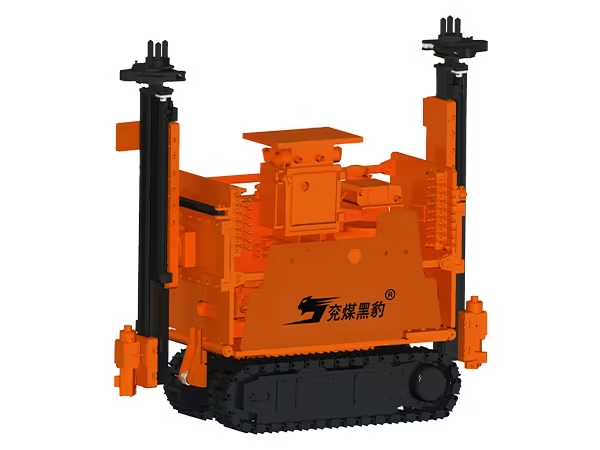
Mining operations require a wide variety of safety equipment. Suppliers who offer comprehensive product ranges can provide convenience, but product quality must remain the highest priority.
Durability and Material Quality
Safety equipment must withstand harsh mining environments. Helmets, gloves, protective suits, and respirators should be made from durable materials capable of resisting wear and tear. Substandard materials not only shorten equipment lifespan but also increase the risk of accidents.
Technological Advancements
Modern mining safety equipment often incorporates innovative technologies. Examples include real-time environmental sensors, automated ventilation controls, ergonomic designs to reduce worker fatigue, and impact-resistant materials. Suppliers who keep pace with technological advancements provide equipment that not only meets safety standards but also improves operational efficiency. When evaluating mining safety equipment suppliers, consider how often they upgrade their product lines and integrate new technologies.
Product Range Considerations
Choosing suppliers who offer a wide range of products allows mining companies to standardize their safety equipment, simplify procurement, and ensure compatibility across different types of machinery and operational environments.
NO.3 Compliance and Regulatory Issues
Working with mining safety equipment suppliers who understand regulatory requirements is essential. Compliance with local, national, and international mining regulations ensures that your operation avoids legal issues, fines, or operational shutdowns.
Regulatory Knowledge
Suppliers should have expertise in local and international mining safety regulations. This includes OSHA standards in the United States, European Union directives, and country-specific mining safety laws. Suppliers who understand regulatory requirements can help mining companies remain compliant and avoid costly penalties.
Documentation and Traceability
Reliable suppliers maintain comprehensive documentation, including batch numbers, manufacturing dates, quality inspections, and certification records. This traceability ensures that products can be tracked in case of recalls or quality issues. Mining safety equipment suppliers with thorough documentation practices provide transparency and accountability, which is crucial for safety audits and compliance verification.
Handling Regulatory Changes
Mining regulations may change over time. Suppliers who actively monitor regulatory updates and adapt their product offerings accordingly can help mining companies remain compliant without operational disruptions.
NO.4 Pricing, Value, and Total Cost of Ownership
While cost is always a factor, the cheapest option is rarely the best when evaluating mining safety equipment suppliers. A focus on long-term value and total cost of ownership ensures both safety and operational efficiency.
Initial Cost vs. Longevity
High-quality safety equipment may carry a higher upfront cost but typically lasts longer and requires fewer replacements. Mining safety equipment suppliers who offer durable products, warranties, and maintenance support provide better long-term value. Companies should assess the lifespan and durability of equipment, rather than making decisions based solely on price.
Hidden Costs
Hidden costs such as shipping fees, customs duties, installation charges, or after-sales service expenses can significantly affect overall investment. Comprehensive quotes from mining safety equipment suppliers should clearly outline all potential costs to prevent financial surprises.
Evaluating Value Beyond Price
Value assessment should include product quality, supplier reliability, compliance, and post-purchase support. Companies should not compromise safety for initial savings, as the long-term costs of accidents and equipment failure are far greater.
NO.5 Supply Chain and Delivery Reliability
Ensuring timely delivery of safety equipment is vital to maintaining continuous protection for workers. Delays can jeopardize safety and disrupt operations.
Lead Times and Stock Availability
Mining safety equipment suppliers should provide clear information on lead times and stock levels. Proper planning and bulk orders are essential to prevent shortages, especially in remote mining locations.
Logistics and Distribution Networks
Suppliers with established logistics and distribution networks can ensure faster, more reliable deliveries. Efficient shipping and handling reduce the risk of damaged or delayed equipment.
Emergency and Backup Options
Suppliers who offer emergency delivery or backup options can provide critical support during unexpected situations, such as equipment breakdowns or sudden increases in operational demands.
NO.6 After-Sales Support and Training
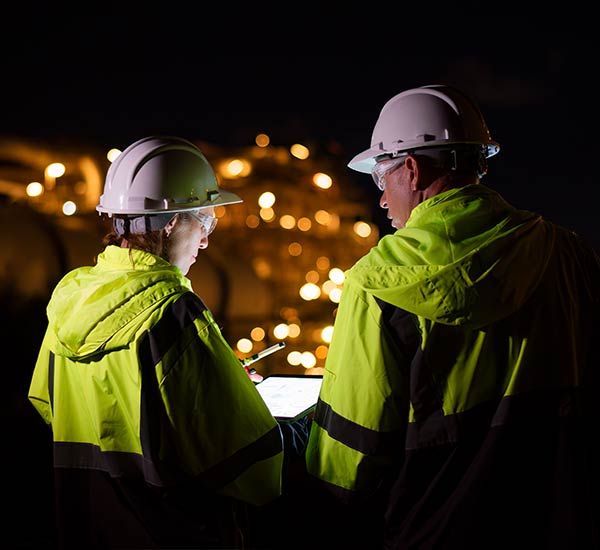
Excellent mining safety equipment suppliers go beyond product delivery—they provide ongoing support and training.
Maintenance and Repairs
Regular maintenance and occasional repairs are essential for safety equipment. Suppliers who provide maintenance services or training on self-maintenance help ensure consistent safety standards and reduce downtime.
Training and Usage Guidance
Correct usage of equipment is as important as quality. Suppliers who provide training materials, on-site demonstrations, or user manuals help workers understand proper procedures, reducing accidents caused by misuse.
Customer Support Availability
Responsive customer support ensures that any issues with equipment, delivery, or compliance are resolved quickly. Reliable mining safety equipment suppliers with accessible support teams enhance overall operational safety and efficiency.
Comparative Overview of Key Supplier Issues
| Issue | Importance | Key Considerations |
|---|---|---|
| Reputation | High | Certifications, customer feedback, long-term presence |
| Product Quality | High | Material durability, technological features, product range |
| Compliance | High | Regulatory knowledge, documentation, adapting to regulatory changes |
| Pricing | Medium | Total cost of ownership, hidden charges, long-term value |
| Delivery Reliability | High | Lead times, logistics network, emergency options |
| Support & Training | Medium | Maintenance, usage guidance, customer support availability |
This table summarizes the six must-know issues when evaluating mining safety equipment suppliers. It highlights the importance of each issue and provides key considerations for informed decision-making.
Conclusion
Choosing the right mining safety equipment suppliers is a complex but critical task. Mining companies must evaluate suppliers on reputation, product quality, regulatory compliance, pricing, delivery reliability, and after-sales support. Taking a holistic approach ensures that the selected suppliers provide not only high-quality equipment but also comprehensive services that support safety and operational efficiency.
Investing in trusted suppliers may require higher upfront costs but significantly reduces risks and long-term expenses. By carefully considering these six must-know issues, mining companies can create safer workplaces, maintain compliance, and enhance productivity.
FAQ
What are the most important factors when selecting mining safety equipment suppliers?
The most important factors include supplier reputation, product quality, compliance with safety regulations, pricing and total cost of ownership, delivery reliability, and after-sales support.
How can I verify a supplier’s credibility?
Check certifications such as ISO or CE, request references or case studies, read reviews from other mining companies, and verify how long they have been operating in the industry.
Is cheaper equipment always a bad choice?
Not necessarily, but the lowest-priced equipment often compromises on quality, durability, or compliance. Evaluate total cost of ownership, including maintenance, lifespan, and hidden costs, before making a decision.
Do suppliers provide training for equipment use?
Reliable suppliers usually offer user manuals, training sessions, and on-site demonstrations to ensure correct equipment usage and reduce the risk of accidents.
How can I ensure timely delivery of mining safety equipment?
Choose suppliers with established logistics networks, clear lead times, and stock availability. Consider suppliers who offer emergency delivery or backup options for critical situations.
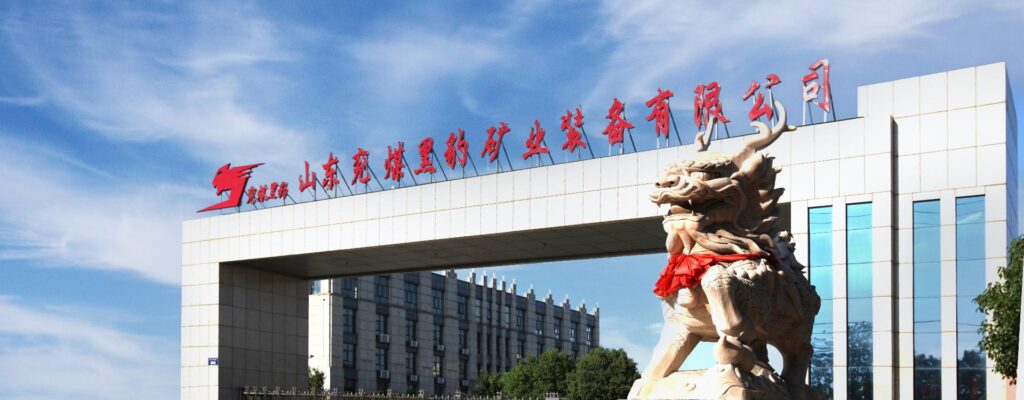
Welcome to Shandong Yanmei Heibao Mining Equipment Co., Ltd.! Since 2002, we’ve been redefining mining with intelligent equipment, delivering safer, more efficient, and sustainable solutions.
📌 Follow us for updates and insights:
- Facebook: Shandong Yanmei Heibao
- YouTube: Shandong Yanmei Heibao Channel
Join us to explore innovation and excellence in mining—together!