

جدول المحتويات
مقدمة
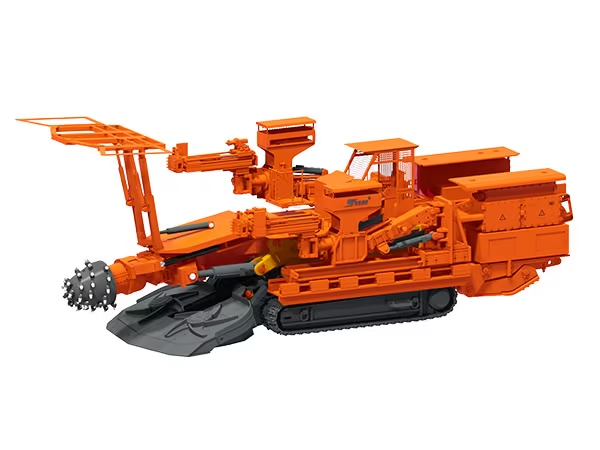
A coal mine anchoring drilling rig is an essential machine for stabilizing mine tunnels and supporting the roof and walls of mining chambers. By installing anchor bolts or cables, it prevents collapses, enhances safety, and ensures efficient coal extraction. Understanding its types, technical specifications, and practical applications is crucial for mining engineers and site managers.
What is a Coal Mine جهاز الحفر التثبيت?
Definition and Function
A coal mine anchoring drilling rig is a specialized piece of equipment designed to drill precise holes in rock, soil, or mixed geological layers and install anchors to reinforce mine tunnels. Its primary purpose is to maintain tunnel stability, prevent roof falls, and ensure worker safety. By integrating drilling, anchor placement, and grouting into a single workflow, the rig allows mining operations to secure unstable areas quickly and efficiently, reducing downtime and minimizing the risk of accidents. This makes it an essential tool in both newly developed tunnels and older mining sections that require structural reinforcement.
Key Components of a Mining جهاز الحفر التثبيت
The rig is composed of three core components that work together to achieve stable and reliable anchoring:
- Drill Unit: This unit penetrates rock or soil using either rotary or percussion force. Modern rigs may have adjustable torque and feed rates to adapt to different geological conditions.
- Anchor Installation System: After drilling, bolts or cables are precisely inserted into the drilled holes. This system ensures that anchors are correctly positioned for maximum structural support.
- Grouting System: Cement or resin is injected around the installed anchors, filling the annular space between the anchor and surrounding rock. This step ensures strong load transfer and long-lasting reinforcement.
By combining these three components, the rig provides a streamlined solution for tunnel support, improving efficiency and reducing manual labor.
أنواع جهاز الحفر التثبيت for Mining
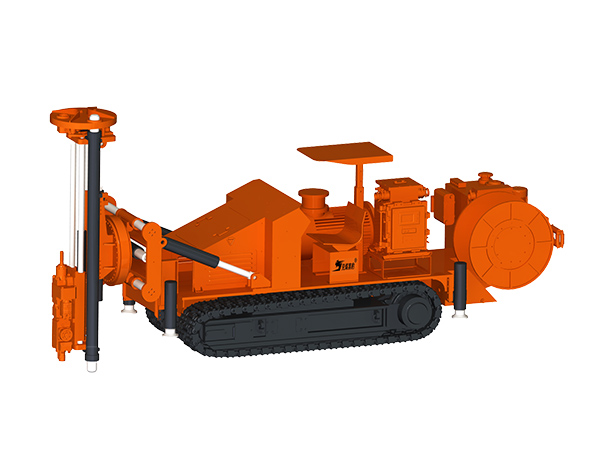
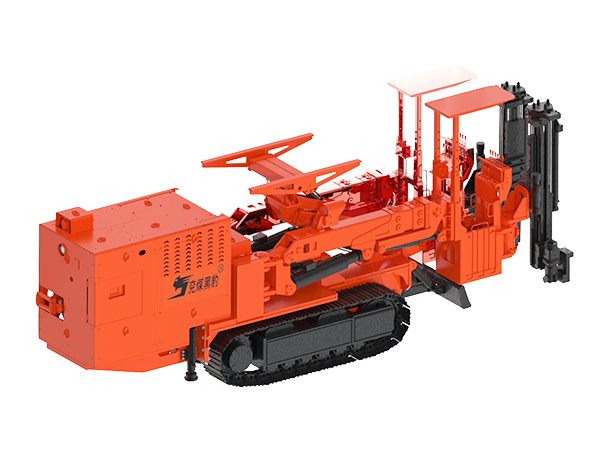
Power-Based Classification
Different power systems are used depending on the mining environment and tunnel conditions:
- Electric Anchoring Rigs: Suitable for shallow or medium-depth tunnels with relatively soft rock. They are energy-efficient and cost-effective but may not deliver enough torque for harder rock layers.
- Hydraulic Anchoring Rigs: Designed for hard rock or deep mining operations. These rigs provide high torque and greater stability, making them ideal for large-scale anchoring projects where precision and strength are critical.
- Explosion-Proof Pneumatic Rigs: Specialized rigs that operate safely in gas-rich mines or other hazardous environments. They are built to prevent sparks and reduce the risk of ignition, ensuring safe operations in potentially explosive atmospheres.
Application-Based Classification
Rigs can also be categorized based on their intended mining applications:
- Tunnel Roof Support Rigs: Primarily used to stabilize mine tunnel ceilings. These rigs are positioned strategically along the roof to prevent collapses and maintain a safe working environment.
- Coal Face Rigs: Used in active mining zones to provide immediate support along coal faces. Their precision drilling ensures anchors are installed efficiently and accurately.
- Soft-Hard Rock Mixed Terrain Rigs: Designed to operate in variable geological conditions, these rigs offer both flexibility and reliability, making them suitable for tunnels where rock composition changes frequently.
كيف Anchoring Drilling Rigs Work
Drilling and Anchor Installation Process
The process begins with drilling precise holes into rock or soil. Anchors are then inserted, and cement or resin is injected to secure them. This method effectively transfers stress from unstable rock layers to stable areas, providing reliable roof and wall support.
Conceptual Explanation
Roof reinforcement ensures worker safety by reducing collapse risks. Load distribution is improved through proper grouting, preventing localized stress. Anchoring drilling rigs provide immediate support, unlike conventional drills which only create holes without stabilization.
جهاز الحفر التثبيت vs Conventional Drilling
Conventional drilling focuses on excavation only. Anchoring drilling rigs combine drilling, anchor placement, and grouting into a single process, offering a safer and faster solution for coal mining support needs.
Technical Parameters and Comparative Table
Drill Diameter, Depth, and Power
Coal mine anchoring rigs vary in drill diameter, maximum depth, torque, and power. Selecting the appropriate rig depends on geological conditions, anchor size, and required efficiency.
Parameter Comparison
| Rig Type | Drill Diameter | Max Depth | Torque | Power | Application | مزايا |
|---|---|---|---|---|---|---|
| Electric Anchoring Rig | 20–35mm | ≤5m | واسطة | 7–10 kW | Shallow tunnels | Energy-efficient, low-cost |
| Hydraulic Anchoring Rig | 30–50mm | ≤10m | عالي | 15–20 kW | Deep tunnels, hard rock | High torque, fast drilling |
| Explosion-Proof Pneumatic Rig | 25–40mm | ≤6m | واسطة | 10–15 kW | Gas-rich mines | Safe in hazardous areas |
| Soft-Hard Rock Mixed Terrain Rig | 25–45mm | ≤8m | Adjustable | 12–18 kW | Variable geology | Flexible, reliable support |
This table provides a clear comparison to help mining engineers select rigs based on performance, application, and safety requirements.
Real-World Application Example
In a coal mine in Shanxi, China, a hydraulic anchoring drilling rig was used to stabilize a deep tunnel with mixed soft-hard rock layers. The rig drilled anchors up to 9 meters deep, achieving installation accuracy within ±5mm. The grouting system ensured full load transfer from the anchors to surrounding rock. As a result, the tunnel’s roof stability improved significantly, reducing potential roof fall incidents during coal extraction.
تطبيقات Anchoring Drilling Rigs في تعدين الفحم
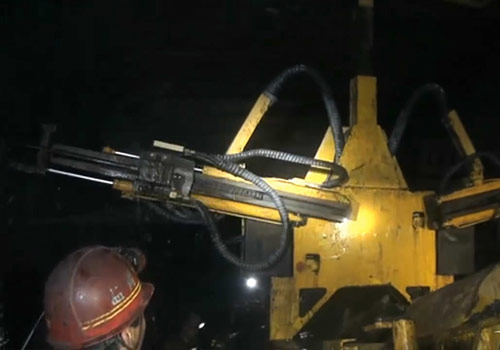
Tunnel Roof Stabilization
Rigs are positioned strategically along tunnel ceilings. Anchors transfer load from unstable roof strata to solid rock, minimizing collapse risks.
Coal Face Support
Anchors are installed along active coal faces, reinforcing the roof and allowing safe coal extraction. Precision drilling ensures that anchors align correctly with design specifications.
Mining Safety Renovation
Old or abandoned tunnels often require retrofitted anchoring to stabilize loose rock. Anchoring drilling rigs enable efficient reinforcement in challenging geological conditions.
اختيار الصحيح جهاز الحفر التثبيت
Geological Considerations
Hard rock tunnels require hydraulic rigs with high torque. Soft coal seams can be served by electric rigs. Hazardous environments need explosion-proof pneumatic rigs to prevent accidents.
Anchor Type and Length
Anchor diameter and required depth influence rig selection. Longer, heavier-duty anchors need rigs with higher torque and power.
Production Volume and Efficiency
High-output hydraulic rigs are ideal for deep tunnels with high-volume support requirements, while electric rigs suit shallow or smaller-scale operations.
Conceptual Comparison Table
| ميزة | Electric Rig | Hydraulic Rig | Pneumatic Rig |
|---|---|---|---|
| Drilling Force | واسطة | عالي | واسطة |
| سرعة | معتدل | سريع | معتدل |
| Safety in Hazardous Mines | معيار | معيار | Explosion-proof |
| يكلف | قليل | عالي | واسطة |
This comparison allows engineers to weigh trade-offs between cost, safety, speed, and power.
Operation Best Practices and Maintenance
Operational Tips
Proper drill alignment and anchor positioning ensure efficient support. Maintaining correct drilling angles and anchor depth maximizes roof stability.
Grouting and Curing
Grouting must fully fill the annular space around anchors to transfer load effectively. Curing times are critical to achieve optimal structural reinforcement.
الصيانة الروتينية
Inspect drill bits, hydraulic or pneumatic systems, and grouting equipment daily. Scheduled servicing prolongs equipment life and maintains consistent performance.
خاتمة
A coal mine anchoring drilling rig is indispensable for tunnel and coal face support. Understanding rig types, parameters, operation, and maintenance ensures safe and efficient mining operations. Real-world applications demonstrate the value of hydraulic and explosion-proof rigs in challenging geological conditions.
Need specific selection advice or a customized solution for your mining project? Contact our engineers today for professional guidance and tailored recommendations.
التعليمات
How deep can a coal mine anchoring rig drill?
Hydraulic rigs can drill up to 10 meters, while electric rigs handle 3–5 meters depending on rock hardness.
Which rig is best for gas-rich mining areas?
Explosion-proof pneumatic rigs are specifically designed to operate safely in flammable or explosive mine atmospheres.
How can I ensure anchor installation precision?
Using guidance systems, regular calibration, and proper training ensures anchors are installed at the correct depth and angle.
Can one rig handle mixed soft-hard rock layers?
Adjustable hydraulic rigs with variable torque and feed rates can adapt to different geological conditions, while electric rigs may struggle in hard rock sections.
What maintenance is essential for mining rigs?
Daily inspection of drill bits, hydraulic or pneumatic components, and grouting systems is recommended, along with periodic full maintenance checks.

مرحباً بكم في شاندونغ يانمي هيباو معدات التعدين المحدودة! منذ عام 2002، كنا إعادة تعريف التعدين باستخدام المعدات الذكية، وتقديم حلول أكثر أمانًا وكفاءة واستدامة.
📌 تابعونا للحصول على التحديثات والرؤى:
- فيسبوك: شاندونغ يانمي هيباو
- يوتيوب: شاندونغ يانمي هيباو القناة
انضم إلينا لاستكشاف الابتكار والتميز في مجال التعدين—معاً!