

- Discover how the right coal mine roof bolter can reduce roof fall risks by over 50% in modern operations
- Learn how to match equipment with geological conditions for maximum efficiency
- Compare machine types, automation levels, and cost-performance ratios
- Understand global safety standards and compliance requirements
- Explore real case studies, industry data, and best practices
- Get answers to practical, Google-style buyer questions
In underground mining, safety is not optional—it is engineered. One of the most critical machines ensuring structural safety is the coal mine roof bolter. According to global mining safety reports, improper roof support remains one of the leading causes of underground accidents. Choosing the right equipment is not just a purchasing decision—it directly impacts worker safety, operational efficiency, and long-term profitability.
This guide provides a comprehensive, professional-level breakdown to help buyers, engineers, and operators make informed decisions when selecting a roof bolting system.
Table of Contents
Understanding Coal Mine Roof Bolter Basics
What Is a Coal Mine Roof Bolter?
A coal mine roof bolter is a specialized underground machine used to drill holes and install bolts into mine roofs. These bolts create a reinforced beam structure that stabilizes rock layers. This process significantly reduces the risk of collapse.
Why Roof Bolting Is Essential in Modern Mining
Roof bolting has become the primary method of ground control in underground coal mining. Compared to traditional timber support, bolting offers higher strength, faster installation, and better adaptability to varying geological conditions.
Core Working Principle
Load Transfer Mechanism
Roof bolts transfer load from unstable rock layers to stronger strata above. This creates a self-supporting structure within the rock mass.
Friction vs Resin Bolting
Friction bolts rely on mechanical expansion, while resin bolts use chemical bonding. Each method has different applications depending on rock conditions.
Key Factors When Choosing Coal Mine Roof Bolter
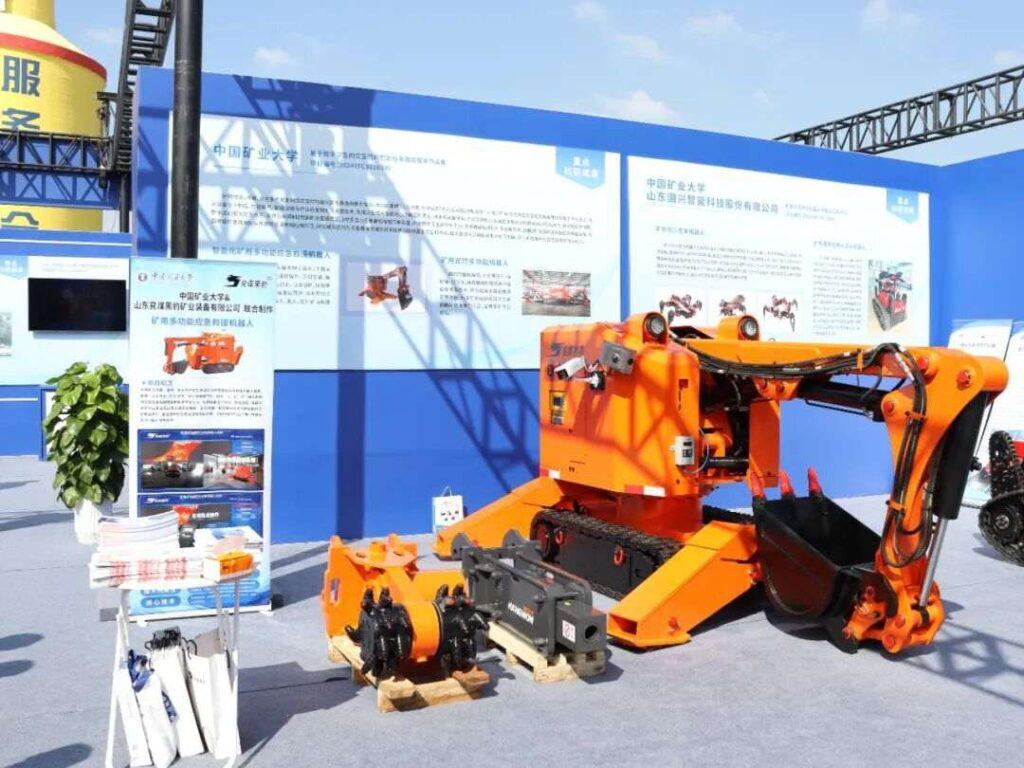
Geological Conditions
Rock Strength and Density
Hard rock formations require higher drilling torque and stronger bolting systems. Softer formations need precision to avoid over-drilling.
Fault Zones and Fractures
Areas with geological faults require advanced bolters with monitoring and control systems. Stability in these zones is more complex.
Machine Performance
Drilling Speed and Efficiency
Modern bolters can achieve drilling speeds of 1.5–3 meters per minute depending on conditions. Faster drilling improves productivity but must maintain accuracy.
Torque and Thrust Capacity
Torque values typically range from 200 to 600 Nm in standard machines. Higher torque ensures better penetration in dense rock layers.
Automation and Technology Level
Manual Operation
Manual systems provide flexibility but rely heavily on operator skill. They are best suited for smaller or less complex operations.
Semi-Automatic Systems
These systems improve consistency and reduce fatigue. They balance cost and performance effectively.
Fully Automated Roof Bolters
Automation enhances precision, reduces human error, and increases productivity. Advanced models can integrate with mine-wide digital systems.
Types of Coal Mine Roof Bolter
Hand-Held Roof Bolter
Compact and portable, hand-held roof bolters are specifically designed for narrow tunnels, low seams, and confined underground environments where larger equipment cannot operate efficiently. Their lightweight structure allows operators to maneuver easily in restricted spaces, making them a practical choice for small-scale mining operations or maintenance tasks.
However, these machines rely heavily on manual operation. This means higher labor intensity and operator skill requirements. Productivity is generally lower compared to mechanized systems, and consistency can vary depending on the operator’s experience. Despite these limitations, hand-held bolters remain valuable in situations where flexibility and accessibility are more important than output speed. They are also commonly used as supplementary equipment in larger mines for spot reinforcement work.
Track-Mounted Roof Bolter
Track-mounted roof bolters are among the most widely used machines in modern underground coal mining. Built on a crawler or track system, they offer excellent stability and mobility across uneven mine floors. This stability allows for more precise drilling and consistent bolt installation, which directly contributes to improved safety and structural reliability.
These machines are equipped with higher power output, including stronger torque and thrust capabilities, enabling them to handle a wide range of geological conditions—from soft coal seams to harder rock formations. Many models also incorporate semi-automatic controls, reducing operator fatigue and improving efficiency.
Track-mounted bolters are ideal for medium to large-scale operations where productivity and reliability are key priorities. While the initial investment is higher than hand-held units, their long-term performance and reduced labor requirements often make them a cost-effective choice.
Multi-Function Roof Bolter
Multi-function roof bolters represent the most advanced category in this equipment segment. These machines integrate multiple functions into a single system, including drilling, bolt installation, resin injection, and in some cases, cable bolting. This integration significantly reduces the need for multiple machines and minimizes operational downtime.
By combining several processes into one workflow, multi-function bolters greatly enhance productivity and efficiency. They are particularly suitable for large-scale, high-output mining environments where time and operational continuity are critical. In addition, many of these machines feature advanced automation systems, real-time monitoring, and digital controls, allowing for precise and consistent operation.
However, the complexity of these machines means higher initial costs and more demanding maintenance requirements. Operators also require specialized training to fully utilize their capabilities. Despite this, for mines focused on maximizing efficiency, improving safety, and reducing long-term operational costs, multi-function roof bolters are often the preferred solution.
Detailed Comparison of Coal Mine Roof Bolter Options
| Feature | Hand-Held Bolter | Track-Mounted Bolter | Multi-Function Bolter |
|---|---|---|---|
| Mobility | High | Medium | Medium |
| Power Output | Low | High | High |
| Automation Level | Low | Medium | High |
| Cost | Low | Medium | High |
| Productivity | Low | High | Very High |
| Maintenance Needs | Low | Medium | High |
Safety Standards and Compliance
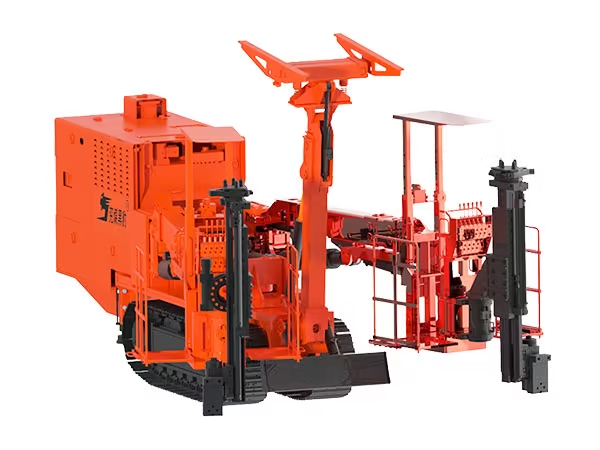
Global Mining Safety Standards
MSHA Compliance (USA)
The Mine Safety and Health Administration (MSHA) sets strict regulations for underground equipment. Machines must meet safety, ventilation, and operational requirements.
ISO Standards
ISO standards ensure quality, reliability, and safety across international markets. Compliance improves equipment acceptance globally.
Safety Features to Look For
Operator Protection Cabin
Modern machines include reinforced cabins to protect operators from falling debris.
Emergency Shutdown Systems
Quick shutdown functions prevent accidents during unexpected failures.
Dust Suppression Systems
Dust control is critical for health. Advanced bolters integrate water spray or vacuum systems.
Cost Analysis and ROI Considerations
Initial Investment vs Long-Term Value
While advanced machines have higher upfront costs, they often reduce labor costs and downtime.
Productivity Impact
Studies show automated bolters can increase productivity by 20–35% compared to manual systems.
Maintenance Cost Factors
Regular maintenance reduces major repair costs. Preventive strategies can lower total ownership cost significantly.
Maintenance Strategy for Coal Mine Roof Bolter
Daily Inspection Checklist
Hydraulic System Monitoring
Check for leaks, pressure consistency, and fluid quality. Hydraulic failure is a common cause of downtime.
Drill Bit Wear
Worn bits reduce efficiency and increase energy consumption. Regular replacement ensures optimal performance.
Preventive Maintenance Planning
Scheduled servicing based on operating hours helps avoid unexpected breakdowns. Industry recommendations suggest maintenance every 250–500 hours.
Real-World Case Study
Case: Productivity Improvement in Coal Mine
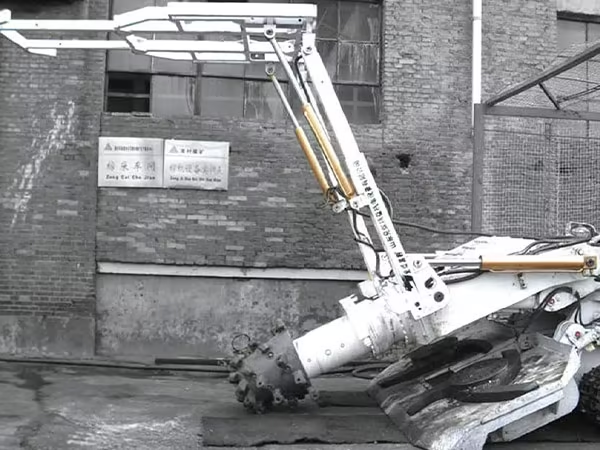
A mining company replaced manual bolters with semi-automatic track-mounted systems.
Before Upgrade:
- Frequent delays
- High operator fatigue
- Increased safety risks
After Upgrade:
- Productivity increased by 30%
- Downtime reduced significantly
- Safety incidents decreased
Industry Trends and Innovations
Smart Mining Integration
Modern roof bolters are increasingly integrated with IoT systems. This allows real-time monitoring and predictive maintenance.
Energy Efficiency Improvements
New designs focus on reducing energy consumption by up to 15%, lowering operational costs.
Automation and Robotics
Fully automated systems are becoming more common in large-scale mines. These systems improve accuracy and reduce human exposure to hazardous conditions.
Common Mistakes When Choosing Coal Mine Roof Bolter
Ignoring Geological Conditions
Selecting equipment without considering rock properties leads to inefficiency and higher wear.
Overlooking Maintenance Requirements
Complex machines require structured maintenance plans. Ignoring this increases long-term costs.
Choosing Based Only on Price
Low-cost equipment may result in higher operational costs over time.
Practical Buyer Checklist
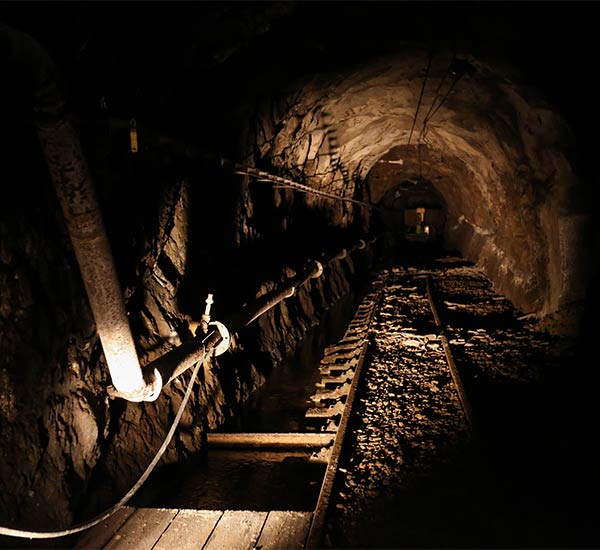
Before Purchase
- Analyze geological conditions
- Define productivity requirements
- Set budget and ROI expectations
During Evaluation
- Compare technical specifications
- Check compliance certifications
- Evaluate supplier support
After Purchase
- Implement training programs
- Establish maintenance schedules
- Monitor performance metrics
FAQ
What is the best coal mine roof bolter for high-production mines?
High-production operations benefit from multi-function or fully automated bolters. These machines provide higher efficiency and consistent performance.
How do I choose the right coal mine roof bolter for my mine?
Evaluate geological conditions, required output, automation level, and budget. Matching these factors ensures optimal selection.
How much does a coal mine roof bolter cost?
Costs vary widely depending on features and size. Advanced automated systems typically require higher investment but offer better ROI.
How often should maintenance be performed?
Daily inspections are recommended, with scheduled maintenance every few hundred operating hours.
Is automation necessary for modern mining?
While not mandatory, automation significantly improves safety, productivity, and long-term efficiency.
Conclusion
Choosing the right coal mine roof bolter is a strategic decision that directly affects safety, productivity, and cost efficiency. With increasing emphasis on automation, safety compliance, and operational optimization, selecting the right equipment requires a deep understanding of both technical and environmental factors.
By combining industry insights, real-world data, and practical evaluation strategies, this guide helps you make a confident and informed decision—ensuring safer and more efficient mining operations for the future.

Welcome to Shandong Yanmei Heibao Mining Equipment Co., Ltd.! Since 2002, we’ve been redefining mining with intelligent equipment, delivering safer, more efficient, and sustainable solutions.
📌 Follow us for updates and insights:
- Facebook: Shandong Yanmei Heibao
- YouTube: Shandong Yanmei Heibao Channel
Join us to explore innovation and excellence in mining—together!