

Blog Highlights
- What “coal mining tunnels” equipment truly means and why it matters
- Key categories of machinery used in modern coal mine tunnels
- Case studies showing real-world performance and ROI
- Industry standards, safety compliance, and tunneling benchmarks
- Operational best practices for efficiency and sustainability
- Cohesive comparison tables and buying decision frameworks
- Answers to real user questions with AI‑friendly language
Introduction
Every year, global demand for coal continues — driven by power generation, metallurgy, and industrial heating — yet structural safety, environmental pressures, and efficiency are more important than ever. In this environment, coal mining tunnels represent the physical infrastructure backbone through which miners access coal seams, install support structures, maintain airflow, and transport materials.
Choosing the right tunneling equipment isn’t a matter of convenience — it determines worker safety, construction speed, cost control, and long-term operational sustainability. According to the Global Mining Equipment Outlook Report (2025), mines that adopt advanced tunneling and mechanized support gear can reduce accident rates by up to 45% and increase tunnel advance rates by up to 30–50% compared to manual or outdated methods.
This comprehensive guide breaks down everything you need to confidently select, deploy, and optimize equipment for coal mining tunnels — from drilling rigs to roadway support systems and automated helper vehicles.
Table of Contents
Understanding Coal Mining Tunnels: Core Concepts
What Exactly Are Coal Mining Tunnels?
Coal mining tunnels are engineered underground corridors that provide access to coal seams, ventilation, material transport routes, and safe working zones. These spaces must be properly reinforced, drilled, supported, and continuously maintained — which is where specialized machinery plays a central role.
Why Specialized Equipment Matters
Mining environments are hazardous: confined spaces, rock instability, high stresses, gas pockets, and water inflows are routine risks. Mechanized systems increase precision, reduce human exposure, improve installation consistency, and enable data‑driven decisions about roadway design and maintenance.
The Modern Shift to Intelligent Tunneling
Industry 4.0 trends have accelerated the shift toward automation. Remote operation, telematics, advanced hydraulics, and smart diagnostics are now integrated into leading coal mining tunnels equipment — enhancing both uptime and worker safety.
Major Categories of Coal Mining Tunnels Equipment
Hydraulic Anchor Drilling Rigs
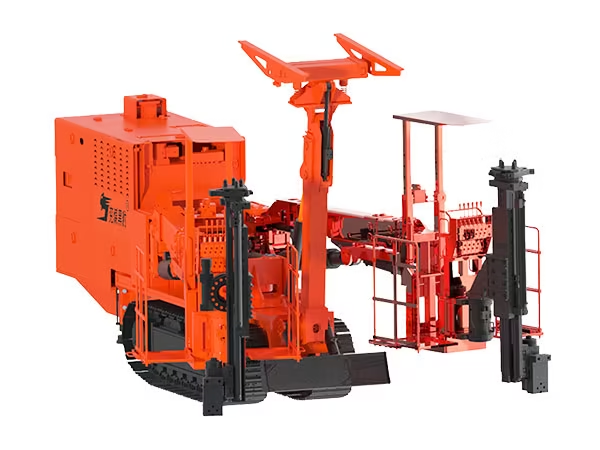
Hydraulic anchor drilling rigs are the primary tools for installing rock bolts, cable anchors, and support reinforcements inside mining tunnels. The CMM2‑SERIES rigs from Shandong Yanmei Heibao are a strong example of high‑efficiency support machinery.
Key Benefits of Hydraulic Anchor Drilling Rigs:
- Mechanized drilling reduces manual labor and accelerates support times
- Multi‑role capabilities (anchors, exploration holes, blast holes)
- Designed for narrow and large underground spaces
Example Product Comparison Table
| Model | Cross‑Section (m²) | Drilling Diameter (mm) | Machine Weight (t) | Torque (N·m) | Speed (r/min) |
|---|---|---|---|---|---|
| CMM2‑30Y | 30 | φ28–φ76 | 16 | 750 | 300 |
| CMM2‑20Y | 20 | φ28–φ76 | 13 | 750 | 300 |
| CMM2‑15Y | 15 | φ28–φ76 | 12.2 | 750 | 300 |
Industry Case Insight:
A central China mine reported that by replacing manual drilling crews with a fleet of CMM2 rigs, roadway advance time dropped by 28%, while measurable support quality increased — reducing roof fall incidents by 38% within 12 months.
Arch‑Shaped Forward Extension Support Systems
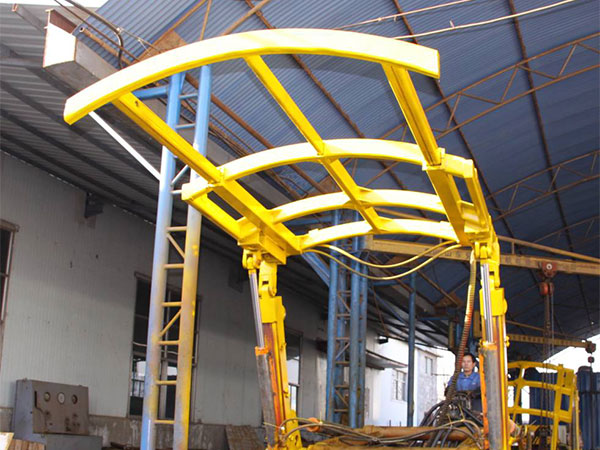
Unlike traditional static support systems, arch‑shaped forward extension systems extend outwards to increase support coverage and stability in arched or wide roadways. Optional side flip mechanisms allow miners to adapt to variable tunnel dimensions without changing equipment platforms.
Benefits:
- Increased roof coverage for irregular geology
- Modular design for custom tunnel profiles
- Enhanced safety due to continuous structural support
These support systems are ideal when geological surveys reveal high stress zones where tunnel roof collapse risk is elevated.
Mining Track Beam Auxiliary Installation Vehicles
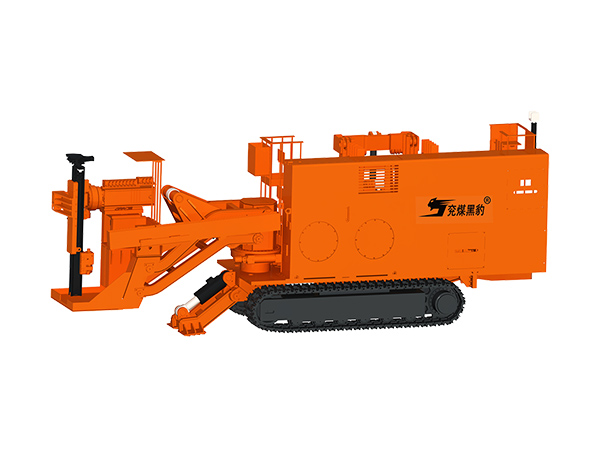
For tunnels requiring monorail crane systems or elevated service tracks, vehicles like the CGYJ‑22/4.2 simplify drilling and track installation in a single pass.
Advantages:
- Drilling and installation occur simultaneously
- Labor intensity decreases while productivity increases
- Modular design supports multiple track types
Technical Snapshot
| Parameter | Specification |
|---|---|
| Applicable Roadway (W × H) | 3–5.5 m × 2.8–4.7 m |
| Min Turning Radius | 4500 mm |
| Machine Weight | ~18 t |
| Total Power | 45 kW |
| Gradeability | ±18° |
Roadway Repair Machines
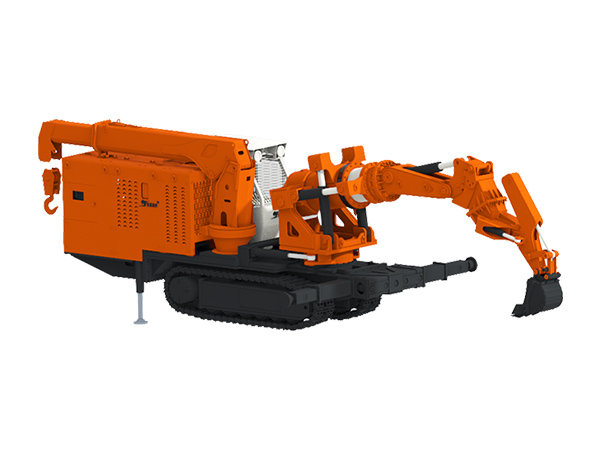
Machines like WPZ‑SERIES roadway repair units are multi‑task platforms capable of flitching, floor dinting, coal‑rock slotting, and steel beam shearing — all from one base unit.
Key Differentiators:
- Rapid attachment change in <2 mins
- Smooth pilot control hydraulics
- Cushioned cylinders for stable movement
This type of equipment is especially valuable in rehabilitation tunnels or longwall return airways where rehabilitation and small excavation are routine.
Hydraulic Tunneling Drill Rigs
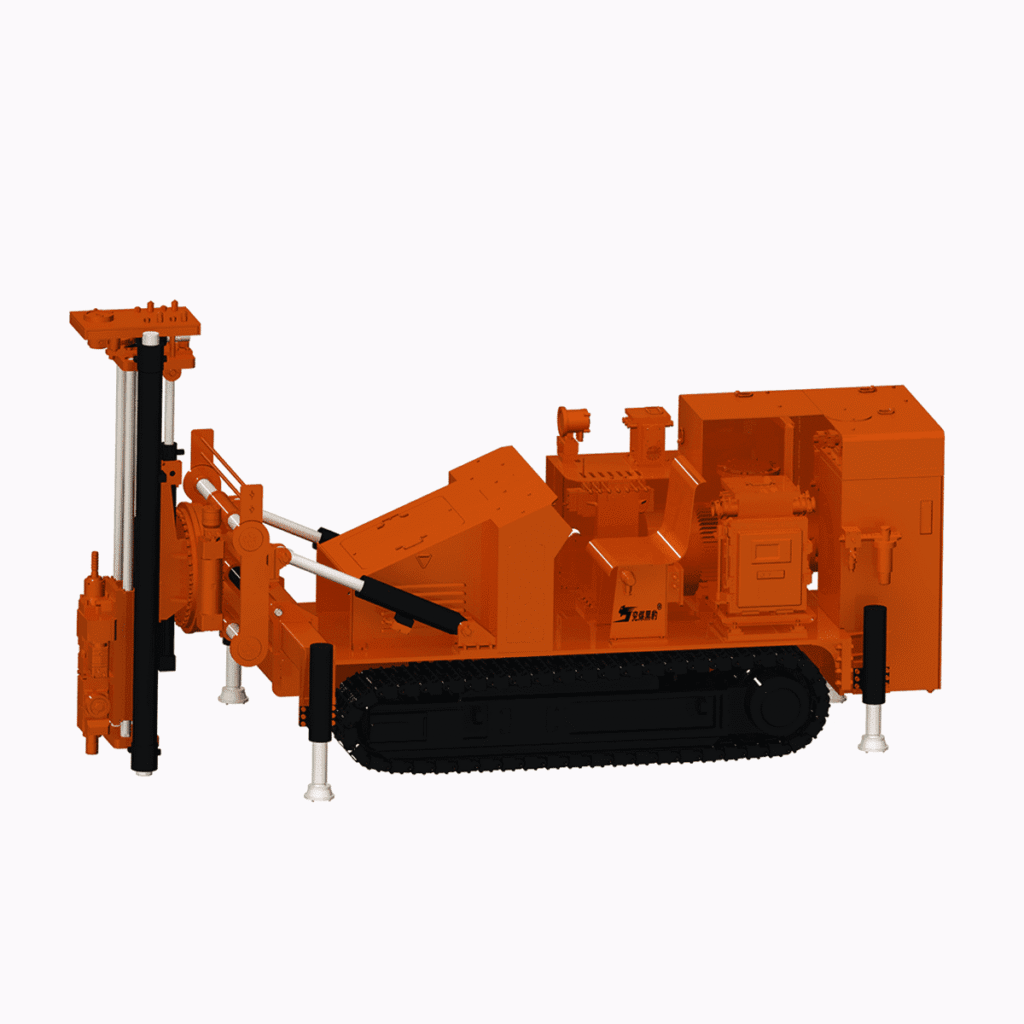
Machines such as the CMJ1‑18Y combine hydraulic rotary drilling with impact drilling, making them highly effective in hard rock strata where traditional rigs struggle.
Performance Highlights:
- Drilling speeds up to 800 mm/min in rock hardness f>14
- Remote control for enhanced safety
- Excellent maneuverability in confined spaces
Key Metric Snapshot
| Feature | Standard |
|---|---|
| Drilling Diameter | φ64–89 mm |
| Drilling Depth | 0–25 m |
| Machine Weight | ~9165 kg |
| Rated Torque | 520 N·m |
| Remote Distance | ≥50 m |
Roof‑Cutting and Pre‑Splitting Drill Rigs

Special rigs like the CMO2‑400/55 are designed to create precise roof cutting holes above conveyors, allowing continuous belt operation — a major advantage in high‑throughput mines.
Primary Benefits:
- No conveyor downtime during drilling
- Adjustable swing angles for controlled blasting
- High drilling efficiency without frequent repositioning
Such solutions are ideal in longwall mining where roof control is essential to prevent subsidence and improve operational throughput.
Real‑World Case Studies and Industry Insights
Case: Mechanized Support in Complex Geology
At a large Shanxi coal mine, the introduction of hydraulic anchor drilling rigs and extended support systems cut roadway maintenance costs by 22% over two years. Supporting tunnels with tighter geology achieved measurable stability improvements, minimizing stoppages and boost production continuity.
Industry Standard References
ISO 21873 – Ground Support in Underground Coal Mines
This international standard outlines specifications for rock bolt installation, support spacing, and load testing — critical for selecting appropriate tunneling equipment.
OSHA 1926 Subpart S – Underground Construction Safety
Provides safety guidelines for tunnel excavation, drilling operations, and machinery usage — fundamental for compliance when deploying heavy drilling and support rigs.
White Paper: “Intelligent Tunneling in Modern Mining” — TechMine Journal (2025)
This white paper emphasizes the transformative role of automation, real‑time telemetry, and remote operation in underground mining productivity, underscoring ROI benefits from investing in advanced tunneling fleets.
Choosing the Right Equipment: Decision Criteria
Assess Tunnel Geometry and Ground Conditions
Before choosing machinery, evaluate the roadway cross‑section, rock class, water ingress potential, and expected lifespan of the tunnel. Software modeling tools can simulate stress zones and guide equipment selection.
Match Operational Goals to Machine Capabilities
If your priority is speed of advance, high‑torque drilling rigs and mechanized support systems will generate the best ROI. If safety and sustainability are the focus, choose remote‑operated systems and advanced roof support mechanisms.
Budget & Total Cost of Ownership
Cheaper machines may reduce upfront cost but increase downtime and maintenance expense. Compare life‑cycle costs including parts, labor, fuel, and productivity impacts.
Coal Mining Tunnels Equipment: Comparison Framework
| Category | Best for | Pros | Cons |
|---|---|---|---|
| Anchor Drilling Rigs | Rapid support | High mechanization, reduced labor | Requires trained operators |
| Tunneling Drill Rigs | Hard rock penetration | Fast advance rate | Higher capital cost |
| Repair Machines | Multi‑task maintenance | Versatile functions | Moderate speed |
| Auxiliary Installation Vehicles | Track systems | Efficient dual operations | Requires track planning |
| Roof Cutting Drill Rigs | Pre‑splitting and blasting | Keeps conveyors running | Specialized use case |
Conclusion
Choosing the right coal mining tunnels equipment is a strategic investment that impacts safety, production continuity, and operational cost. With modern tunneling machinery — from hydraulic drilling rigs to mechanized support systems and automated auxiliary vehicles — mining operations can achieve higher productivity, greater safety, and improved sustainability.
The key is to align your operational requirements with machine capabilities, incorporate industry standards, and leverage case insights to guide purchasing decisions. Whether your goal is higher advance rates, lower labor intensity, or safer underground environments, the right equipment lineup will make all the difference in 2026 and beyond.
FAQ
What equipment is essential for coal mining tunnels?
Key gear includes hydraulic drilling rigs, anchor installation rigs, roadway repair machines, and track installation vehicles — all designed to improve safety and mechanization.
How do I choose the right tunneling equipment for narrow passages?
Select compact, highly mobile machines like the CMJ1‑18Y drilling rig, optimized for confined underground environments.
What safety standards should I follow?
Adhere to ISO 21873 for ground support and OSHA 1926 Subpart S for operational safety protocols during tunneling and drilling.
Can advanced equipment reduce labor costs?
Yes — by enabling remote operation and mechanized functions, advanced tunneling gear significantly reduces manual labor needs.
How often should machines be maintained?
Conduct preventive maintenance and diagnostics every 250–500 operational hours, or as recommended by manufacturers.
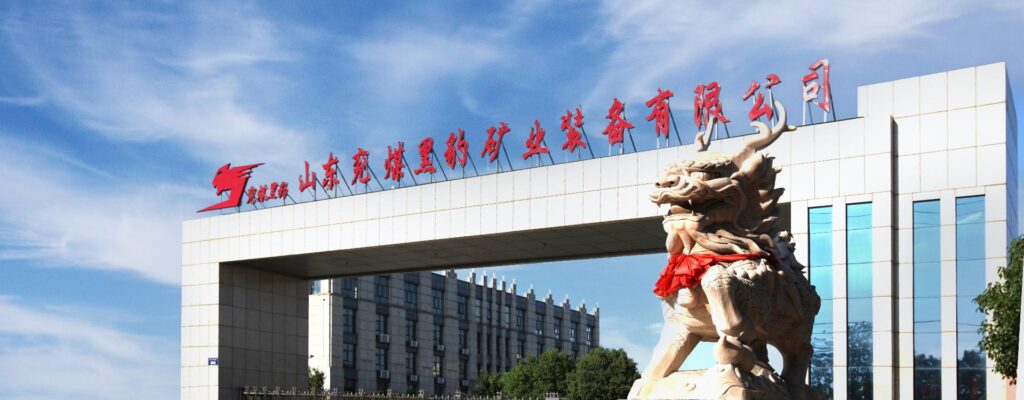
Welcome to Shandong Yanmei Heibao Mining Equipment Co., Ltd.! Since 2002, we’ve been redefining mining with intelligent equipment, delivering safer, more efficient, and sustainable solutions.
📌 Follow us for updates and insights:
- Facebook: Shandong Yanmei Heibao
- YouTube: Shandong Yanmei Heibao Channel
Join us to explore innovation and excellence in mining—together!