

Introduction
Coal mining is one of the most demanding industrial environments in the world, requiring specialized heavy machinery to keep operations running safely and effectively. Among this equipment arsenal, the drill rig stands out as a backbone — from opening roadways and installing rock bolts to gas drainage and geological exploration. Selecting the right drill rig can drastically affect your operational cost, productivity, and worker safety.
A poorly matched drill rig can result in project delays, excessive downtime, high maintenance costs, and increased safety risks. In contrast, a drill rig chosen with careful consideration of performance metrics, environmental conditions, and lifecycle cost can optimize the entire mining workflow — improving drilling depth accuracy, reducing labor intensity, and increasing productivity even in challenging underground conditions.
This comprehensive guide walks you through everything you need to know about coal mining drill rigs — from basic concepts and types to technical standards, performance metrics, latest innovations, and hands-on selection frameworks that mining professionals can trust.
Table of Contents
What Exactly Is a Coal Mining Drill Rig?
A drill rig in coal mining is a heavy-duty machine designed to bore holes into geological formations — primarily for roadway expansion, rock bolting and anchoring, gas drainage, and geological exploration. These rigs may be used underground or in open-pit coal operations, depending on mining strategy and geological conditions.
Technically, a drill rig is composed of three critical subsystems: the power unit (hydraulic or diesel engine), drilling mechanisms (rod feeding system, booms, and rotary drives), and integrated control systems for precision drilling and safety.
Key Differences Between Mining Drill Rigs and Other Drilling Equipment
Before diving into specific models, it’s important to distinguish coal mining drill rigs from other drilling machinery:
Mining Drill Rigs vs Water Well Rigs
- Mining rigs are engineered for rock hardness, confined space stability, and safety in explosive atmospheres.
- Water well rigs focus on depth and groundwater access, with less emphasis on explosion-proof housings.
Mining Drill Rigs vs Oil & Gas Rigs
- Oil & gas rigs are typically massive and stationary for deep drilling and casing operations.
- Coal mine drill rigs are compact, flexible, and designed for repeated relocation underground.
Understanding these fundamental differences helps avoid mismatches when procuring equipment for specialized coal mining tasks.
Coal Mining Drill Rigs: Core Types and Functions
Bolter Miner Rigs
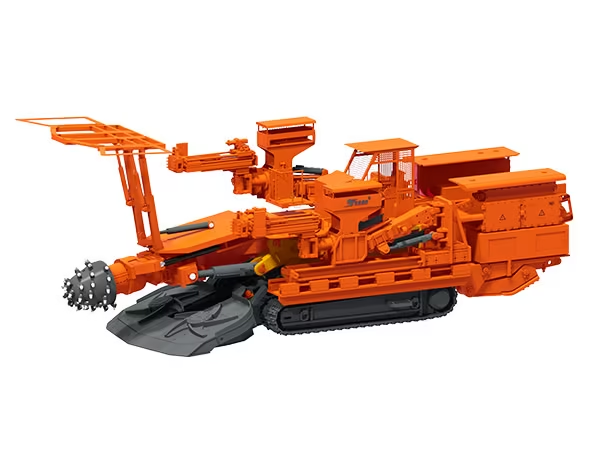
This class of drills integrates excavation, drilling, bolting, roadway support, and often loading functions into one mechanized unit. The goal is to perform full-range roadway operations without repositioning the equipment.
Key Benefits:
- Full mechanization reduces labour and improves drilling consistency.
- Integrated bolting and drilling save time in complex operations.
- Built-in safety systems protect operators.
These rigs are especially effective in roadway development where multiple tasks must be completed quickly and accurately.
Hydraulic Anchor Drilling Rigs (CMM2-Series & Similar)
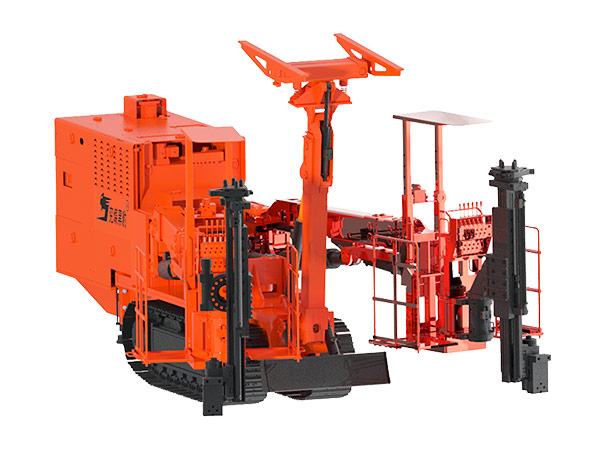
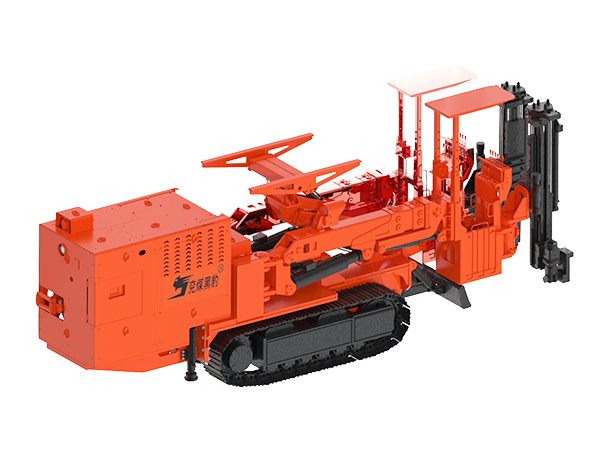
Hydraulic anchor rigs are specialized for installing rock bolts, cable anchors, exploration holes, and face blast holes. They boast strong drilling force and high adaptability to varying underground environments.
Operational Roles:
- Mechanized bolting and cabling support.
- Full-range drilling capabilities in tight or curved roadways.
- Rapid support installation and efficient tunnelling support.
These rigs have become a key choice for advanced mechanized tunnel support in modern coal mining projects.
Industry Standards and Safety Rules You Must Know
Coal Mine Drilling Standards
In 2024, China released a new technical standard, MT/T 1211-2024 “Coal Mine Underground Geological Exploration Drilling Robot”, which specifies requirements for drilling robots’ environmental adaptation, explosion-proof performance, control accuracy, and operational metrics in methane and coal dust environments.
This standard provides authoritative guidance for evaluating drill rig performance and safety compliance, especially for automated and robotic drilling solutions.
Explosion-Proof and Safety Compliance
Coal mines pose a high risk of methane and coal dust explosions. Industry drill rigs must meet stringent explosion-proof requirements, including sealed electrical systems and gas detection integrations to ensure safe underground drilling operations.
Not complying with these standards not only invites safety hazards but can also lead to heavy penalties under national coal safety regulations.
Drill Rig Performance Metrics: What Matters Most
Production Rate and Penetration Metrics
Industry benchmarks suggest that high-performance rigs can achieve up to 450 meters drilled per shift in certain production scenarios, depending on rock hardness and tooling quality.
This metric helps compare how quickly rigs can complete drilling tasks under normal operating conditions — a key factor for operational planning and cost estimation.
Bit Consumption and Drilling Efficiency
Bit consumption — measured in meters drilled per bit — is another important performance indicator. In abrasive rock formations, bit wear can significantly increase operating costs. Advanced rigs with optimized percussion control can extend bit life by 20–30% compared to traditional designs.
Overall Mining Equipment Effectiveness (OMEE)
An academic study introduced the OMEE (Overall Mining Equipment Effectiveness) metric to assess RT drilling rig fleet performance, combining availability rate, utilization rate, and productivity index over extended periods. In a 10‑year case study covering multiple rigs, production data revealed over 15 million drilled meters with 404,000 operational hours, yielding a production rate of ~37.12 meters per operating hour.
This kind of quantitative KPI analysis can guide long‑term equipment selection and maintenance planning.
Latest Technological Innovations Transforming Drill Rigs
Intelligent Monitoring Systems
Modern mining drill rigs increasingly incorporate real‑time monitoring technologies for drilling parameters like torque, penetration rate, and speed. For example, PLC‑based monitoring systems developed for directional drilling rigs can provide real‑time parameter display, automatic data storage, and condition alarms with measurement accuracy within ±1.25%.
These systems support preventative maintenance and reduce the risk of equipment failures underground.
Intelligent Directional Drilling and Automation
The trend in underground coal drilling is moving from mechanization to automation and intelligent control, enabling automatic directional drilling and optimized decision‑making. Systems that integrate automatic directional control, real‑time data fusion, and 3D geological mapping represent the future of intelligent drilling technology.
Remote Controlled Full‑Section Drilling Rigs
Remote control technology addresses safety issues by removing operators from dangerous zones. Research shows that full‑section rigs with hydraulic stabilization and remote control improve adaptability and operational stability in narrow or low roadways.
Practical Factors to Evaluate When Choosing a Drill Rig
Operating Environment and Geological Conditions
Different mines have unique formations — from soft coal seams to mixed hardness rock layers. A drill rig must match the expected depth, penetration resistance, and borehole precision requirements of the site.
Drilling Depth and Hole Diameter Requirements
Ensure the rig’s mechanical capacity supports your target drilling depth. Many anchor rigs today support drilling diameters of φ28–φ76 mm, enabling flexibility across missions such as cable anchoring and gas drainage drilling.
Maintenance Support and Spare Parts Availability
A drill rig is only as good as the support network behind it. Consider whether spare parts are easily available locally, whether the manufacturer offers on‑site service, and what is the typical lifecycle cost.
Total Cost of Ownership (TCO)
When comparing rigs, think beyond purchase price — factor in maintenance costs, expected work hours, downtime risk, and operator training requirements.
Example Comparison of Typical Drill Rig Models
| Feature | Robust Roadway Bolter Miner | Hydraulic Anchor Rig | Remote Controlled Full Section Rig |
|---|---|---|---|
| Best For | Full mechanized roadway work | Cable anchoring and bolts | High safety narrow roadways |
| Drilling Range | Multi‑boom integrated operation | Dual boom anchoring | Full section directional work |
| Automation | Moderate | Manual‑hydraulic | Remote / semi‑autonomous |
| Safety Features | Triple‑interlock, support frame | Explosion‑proof hydraulic | Remote operator control |
| Typical Drilling Diameter | Wide range support | φ28–φ76 mm | φ28–φ76 mm |
| Ideal Environment | Large roadways | Supporting tunnels | Confined & hazardous zones |
This comparison provides engineers and procurement teams with a snapshot view of which rig fits which mission best.
Case Study: Maximizing Productivity with KPI Monitoring
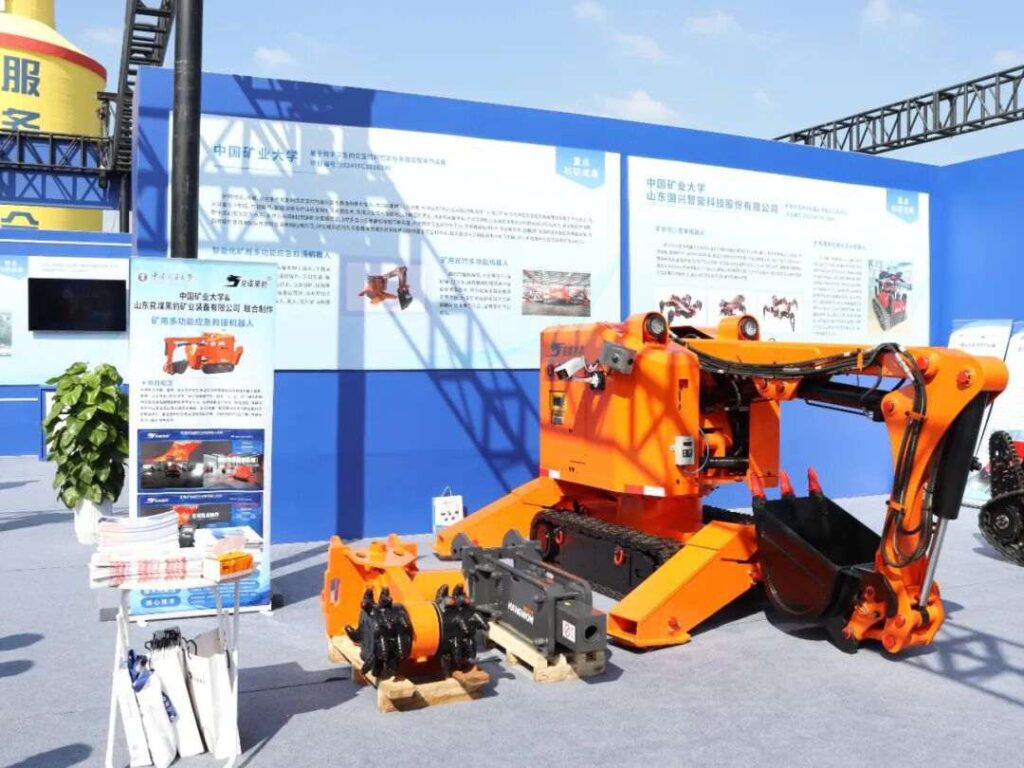
In a decade‑long study of open‑pit drill rigs, mines implementing structured maintenance and KPI tracking saw continuous production rates above 37 m per operating hour, with productivity indexes around or above 1.0 — indicating a well‑calibrated maintenance and operational strategy.
By leveraging metrics such as utilization rate and production rate, mining managers can make data‑driven decisions about rig deployment and maintenance schedules.
Conclusion
Selecting the right coal mining drill rig involves a multi‑factor evaluation covering performance metrics, safety standards, operational environment, automation objectives, and long‑term cost models. With modern advancements like intelligent monitoring, automation technology, and internationally recognized standards, mining operations can achieve greater productivity, improved safety, and cost efficiency.
Whether you’re expanding roadways, installing anchors, or executing precision exploration, the right rig backed by data‑driven performance metrics and strong maintenance strategy makes all the difference.
FAQ
Q: What drill rig type is best for narrow coal mine shafts?
For narrow underground conditions, compact hydraulic anchor rigs and remote‑controlled drilling rigs are often preferred due to their maneuverability and safety advantages.
Q: How can automated systems improve drill rig operations?
Automation improves drilling precision, reduces labor costs, and enhances safety by minimizing human exposure in hazardous zones, especially when integrated with intelligent monitoring.
Q: Are there industry standards I should follow?
Yes — industry standards like MT/T 1211‑2024 define technical specs and safety requirements for underground drilling robots, ensuring compliance and operational safety.
Q: How do I measure the effectiveness of my drill rigs?
Utilize KPIs like production rate, utilization rate, and availability metrics. Advanced methodologies like OMEE can provide holistic insight into fleet performance.
Q: Will maintenance strategy impact overall productivity?
Absolutely — strategic, scheduled maintenance significantly increases rig availability, reduces unexpected downtime, and prolongs equipment life.

Welcome to Shandong Yanmei Heibao Mining Equipment Co., Ltd.! Since 2002, we’ve been redefining mining with intelligent equipment, delivering safer, more efficient, and sustainable solutions.
📌 Follow us for updates and insights:
- Facebook: Shandong Yanmei Heibao
- YouTube: Shandong Yanmei Heibao Channel
Join us to explore innovation and excellence in mining—together!