

Table of Contents
The Importance of Anchor Drill Rigs in Underground Coal Mining
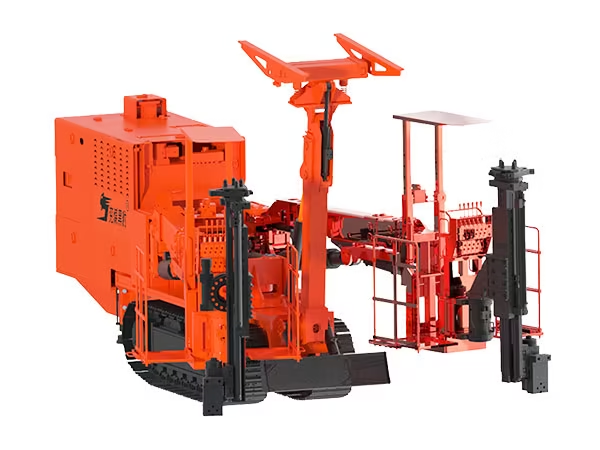
In modern coal mining, safety and efficiency rely heavily on the stability of underground structures. The anchor drill rig has become one of the most essential machines in achieving that stability. Designed to drill anchor holes and install rock bolts, it plays a central role in ensuring that mine roofs and sidewalls remain secure. By combining mechanical precision with powerful support systems, anchor drill rigs significantly reduce the risk of collapses and ground movement in deep mining environments.
Defining the Anchor Drill Rig
An anchor drill rig is a specialized piece of drilling equipment used to install anchors into rock or coal formations. These anchors—such as bolts, rods, or cables—form a robust support network that holds surrounding rock layers in place. Unlike conventional drilling rigs, which are primarily designed for resource extraction or exploration, anchor drill rigs are engineered for stabilization, reinforcement, and underground safety.
Purpose of Anchor Drill Rigs in Mining
Anchor drill rigs are specifically designed to maintain the structural integrity of tunnels, roadways, and shafts in coal mines. By creating anchor points in weak strata, they help manage ground pressure and reduce risks of collapses or rock falls. Their role is critical in ensuring the long-term stability of underground operations.
Difference from Conventional Drilling Equipment
While conventional drilling rigs focus on penetrating rock for extraction or sampling, anchor drill rigs are optimized for precision and control. They are engineered to work within confined underground spaces, with features like adjustable torque, flexible drill angles, and enhanced feed mechanisms to safely install anchors at the correct depth.
How Anchor Drill Rigs Support Underground Safety
The main purpose of an anchor drill rig is to control ground pressure by transferring loads from weak layers of rock to stronger, more stable strata. This prevents structural failures and ensures that tunnels, shafts, and mining roadways remain secure during excavation and long-term operation.
Roof and Wall Stabilization
Anchor drill rigs install anchors into the mine roof and sidewalls, creating a network of support that holds loose rock in place. This reduces the likelihood of rock falls and deformation, protecting both miners and equipment.
Load Distribution Mechanism
By anchoring unstable rock layers, the rigs distribute stress and weight more evenly across the mine structure. This minimizes localized failures and ensures that pressure is transferred to more stable geological formations.
Contribution to Overall Mine Safety
The use of anchor drill rigs directly impacts the safety protocols of underground coal mines. When combined with other ground control methods, such as mesh, shotcrete, or steel sets, anchor rigs enhance the resilience of the mining environment, reducing accidents and operational interruptions.
The Evolution of Anchor Drilling Technology
Anchor drill rigs have evolved significantly over the past decades. Early models were manual or semi-manual, requiring considerable human labor and limiting depth and precision. Modern systems now incorporate hydraulic, pneumatic, or electric power, improving both efficiency and safety.
Hydraulic Systems
Hydraulic anchor drill rigs use pressurized fluid to generate high torque and penetration force. These systems allow for deeper drilling and better handling of hard rock layers, while offering smoother control over the drilling process.
Pneumatic Systems
Pneumatic rigs operate using compressed air, providing a lightweight and highly maneuverable solution. They are ideal for medium or soft rock formations and situations where mobility in confined tunnels is crucial.
Electric Systems
Electric-powered anchor drill rigs focus on energy efficiency, low noise, and reduced ventilation demands. These rigs are particularly suitable for methane-prone or restricted-ventilation coal seams, where safety and environmental concerns are a priority.
Integration of Digital Technology
Modern rigs often include digital monitoring and control systems, enabling operators to track torque, drill angle, and penetration speed in real time. This improves drilling accuracy and reduces wear on equipment, while also supporting predictive maintenance programs.
Understanding the Working Principle
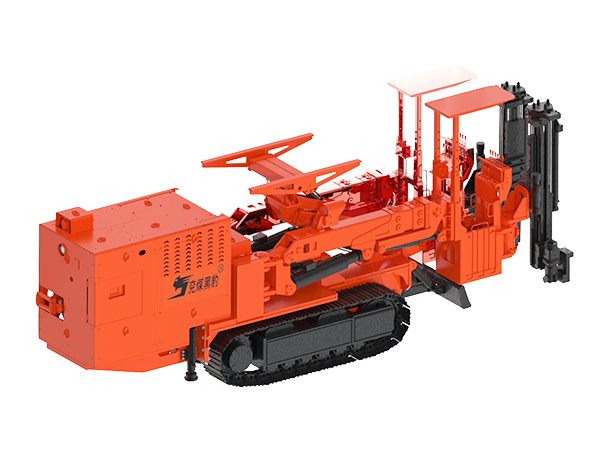
The operation of an anchor drill rig is conceptually simple but requires precision engineering to be effective. The rig uses rotational and thrust forces to drill holes into the rock or coal formation. Once the hole is drilled, the anchor bolt or cable is inserted and secured with grouting materials such as cement or resin.
Step-by-Step Anchoring Process
- Rig Positioning and Alignment – The rig is set up at the desired location, with drill angles carefully calibrated to match structural requirements.
- Drilling the Hole – The drill bit penetrates the rock to the specified depth while monitoring torque and feed pressure.
- Anchor Insertion – The bolt, rod, or cable is inserted into the drilled hole.
- Grouting and Securing – Cement, resin, or other stabilizing materials are injected to secure the anchor in place.
Load Transfer and Rock Stabilization
Once the anchor hardens, it transfers stress from weak rock layers to stronger strata, creating a stable underground network. This process prevents roof sagging and wall deformation, significantly increasing the safety and durability of mining operations.
Safety Features in Modern Anchor Drill Rigs
Modern rigs incorporate automatic feed regulation, emergency stops, and torque sensors, which allow operators to safely drill in varying geological conditions. These systems help reduce risks associated with tool jamming, over-torquing, or unexpected rock behavior.
Advantages of Anchor Drill Rigs for Coal Mines
- Precision Drilling: Accurate hole placement ensures effective load transfer.
- Versatility: Suitable for a variety of geological formations and mine layouts.
- Enhanced Safety: Reduces human exposure to hazardous zones during drilling.
Comparative Overview: Anchor Drilling vs. Conventional Drilling
| Aspect | Anchor Drill Rig | Conventional Drilling Rig |
|---|---|---|
| Primary Function | Structural reinforcement | Material extraction |
| Drilling Depth | Shallow to medium (support holes) | Deep (exploration/mining) |
| Design Focus | Stability and safety | Penetration and productivity |
| Mobility | Compact and portable | Larger, less mobile |
| Operational Environment | Confined underground spaces | Open-pit or surface zones |
The Role of Torque and Feed Systems
The torque system allows the drill bit to rotate through hard rock layers, while the feed system ensures steady pressure and prevents tool damage. Together, they form the core mechanics that make anchor drilling both efficient and safe.
Main Categories of Anchor Drill Rigs

Anchor drill rigs used in coal mines can be broadly classified based on their power source and application environment.
Hydraulic Anchor Drill Rigs
Hydraulic rigs use pressurized fluid systems to provide consistent torque and high penetration force. They are ideal for deep underground projects where rock hardness varies significantly.
Pneumatic Anchor Drill Rigs
Pneumatic systems rely on compressed air, offering lightweight design and ease of movement. These rigs are well suited for operations requiring quick setup and relocation within narrow tunnels.
Electric Anchor Drill Rigs
Electric-powered rigs focus on energy efficiency and lower emissions. Their quiet operation and reduced ventilation demand make them suitable for environmentally controlled mines.
Comparison Table: Types of Anchor Drill Rigs
| Type | Power Source | Key Advantage | Best Use Case |
|---|---|---|---|
| Hydraulic | Fluid pressure | High torque and deep drilling | Hard rock conditions |
| Pneumatic | Compressed air | Lightweight and portable | Soft or medium rock seams |
| Electric | Electrical energy | Energy-efficient and low noise | Ventilation-limited mines |
The Structure and Components of an Anchor Drill Rig
Every anchor drill rig consists of several interconnected systems that ensure stable operation. The base provides structural balance, the rotary head generates rotation, and the feed system regulates penetration speed. A sophisticated control system manages torque, pressure, and angle precision, allowing the operator to adapt the machine to specific geological conditions.
Key Components Overview
| Component | Function | Importance in Operation |
|---|---|---|
| Base & Frame | Provides stability and support | Ensures balance on uneven mine floors |
| Rotary Head | Rotates the drill rod | Enables penetration through rock layers |
| Feed Mechanism | Advances the drill into rock | Controls drilling speed and precision |
| Control System | Adjusts torque, feed, and angle | Enhances drilling accuracy and safety |
Design Innovations in Modern Rigs
Today’s rigs emphasize compact, modular structures to fit within confined mining environments. Safety features such as emergency stops, protective shields, and automated pressure regulation are becoming standard design elements.
Applications of Anchor Drill Rigs in Coal Mines
Roof and Wall Reinforcement
The most common use of an anchor drill rig is to install roof bolts that prevent rock falls and collapses. By reinforcing overhead strata, the rig ensures the long-term stability of mining passages.
Gas Drainage and Pressure Relief
Anchor drill rigs are also employed to create boreholes that help release methane gas. This not only enhances safety but also improves ventilation and reduces the risk of explosions.
Roadway and Tunnel Support
In addition to mining operations, anchor drilling technology supports roadway construction and maintenance inside mines. It strengthens tunnel linings and improves the overall integrity of underground networks.
Choosing the Right Anchor Drill Rig
Selecting the proper anchor drill rig depends on geological factors, mining conditions, and operational goals. Harder rock formations may require hydraulic systems with higher torque, while softer seams may perform better with lightweight pneumatic rigs. Energy consumption, maintenance requirements, and operator training also influence the final choice.
Factors Influencing Equipment Selection
| Selection Factor | Consideration | Impact on Performance |
|---|---|---|
| Geological Hardness | Determines drilling resistance | Affects required torque and speed |
| Power Type | Hydraulic, pneumatic, or electric | Influences efficiency and mobility |
| Space Constraints | Limited underground area | Dictates rig size and setup time |
| Safety Standards | Compliance with mining laws | Ensures safe operation and certification |
Considering Safety and Compliance
In coal mining, compliance with safety standards and certifications is mandatory. Anchor drill rigs must meet regulatory guidelines related to explosion-proof design, stability testing, and environmental impact. Proper documentation and certification help ensure reliable and lawful operation.
Operating and Maintaining an Anchor Drill Rig
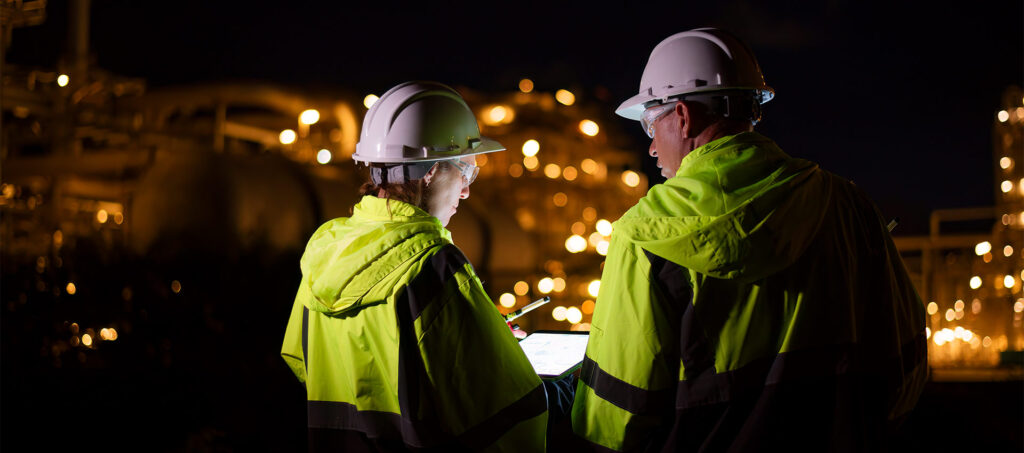
Anchor drill rigs require skilled operation and consistent maintenance to achieve optimal performance. Before each shift, operators inspect the hydraulic systems, hoses, and drill rods. During drilling, parameters like pressure, rotation speed, and feed rate are carefully monitored.
Preventive Maintenance and Equipment Longevity
Preventive maintenance extends the lifespan of the equipment and reduces costly downtime. Regular lubrication, tightening of connections, and replacement of worn drill bits maintain performance consistency.
Enhancing Operator Safety
Operator safety remains a top priority. Proper training, adherence to safety protocols, and the use of personal protective equipment help minimize risk. Many rigs now include built-in safety interlocks and automatic stop functions to protect workers in high-risk environments.
Technological Advances and Future Trends
Automation and Remote Operation
The mining industry is increasingly integrating automation into anchor drilling systems. Remote-controlled rigs reduce the need for human presence in hazardous zones, improving overall safety.
Digital Monitoring and Data Analytics
Sensors embedded in modern rigs can track parameters such as drilling depth, torque, and vibration. These data points feed into predictive maintenance systems, reducing unexpected equipment failures.
Energy Efficiency and Sustainability
Future anchor drill rigs will likely adopt hybrid power systems and improved hydraulic designs to reduce energy consumption and emissions. As sustainable mining practices grow in importance, energy-efficient drilling solutions will become a key differentiator.
FAQ
What makes an anchor drill rig essential for coal mining safety?
Anchor drill rigs stabilize mine roofs and walls by installing anchors that prevent collapses, creating a safer environment for workers and equipment.
How is an anchor drill rig different from a rock drilling rig?
A rock drilling rig focuses on excavation and exploration, while an anchor drill rig specializes in structural reinforcement and support installation.
Can anchor drill rigs operate in high-gas or low-ventilation environments?
Yes. Certain rigs, especially electric-powered models, are designed for safe operation in methane-rich or low-oxygen zones.
What maintenance does an anchor drill rig require?
Routine maintenance includes hydraulic inspections, lubrication, and replacing worn drilling tools. Preventive care ensures performance stability and safety compliance.
Are anchor drill rigs compatible with automation technologies?
Modern rigs are increasingly equipped with sensors and control systems that allow for semi-automatic or fully remote operation, improving precision and reducing human risk.
The Future of Safer and Smarter Coal Mining
The anchor drill rig represents the foundation of a secure, efficient, and technologically advanced coal mining industry. As underground conditions become more complex, the need for reliable support and automation grows stronger. Through continued innovation, digital integration, and sustainable design, anchor drill rigs will remain a cornerstone of safe mining operations worldwide—ensuring both productivity and protection beneath the earth’s surface.

Welcome to Shandong Yanmei Heibao Mining Equipment Co., Ltd.! Since 2002, we’ve been redefining mining with intelligent equipment, delivering safer, more efficient, and sustainable solutions.
📌 Follow us for updates and insights:
- Facebook: Shandong Yanmei Heibao
- YouTube: Shandong Yanmei Heibao Channel
Join us to explore innovation and excellence in mining—together!