

Table of Contents
Introduction
Safety in underground mining operations remains a top priority in 2026, especially with the increasing reliance on underground mining vehicles. These vehicles, which include loaders, trucks, and personnel carriers, operate in confined spaces under harsh conditions. The combination of heavy loads, limited visibility, and variable terrain presents significant risks. Implementing effective safety measures not only protects workers but also improves operational efficiency and reduces downtime.
With technological advancements and stricter regulatory standards, mining companies are updating protocols and training programs to enhance safety. This guide will cover essential safety tips for operating underground mining vehicles in 2026, highlighting best practices, expert insights, and practical solutions.
Selecting the Right Underground Mining Vehicle
Vehicle Type and Application
Choosing the appropriate underground mining vehicle is the first critical step in ensuring safety and operational efficiency. Underground mining environments vary significantly depending on the mine layout, material type, and operational goals. Vehicles are specifically designed for applications such as ore transport, drilling support, personnel movement, and equipment towing.
For example, loaders and small utility vehicles are ideal for narrow tunnels with limited turning radius, while larger haul trucks are used in main drifts or larger chambers to transport heavy ore loads efficiently. Selecting a vehicle with the correct load capacity, size, and maneuverability reduces the risk of collisions, tip-overs, and other accidents in tight or low-clearance areas.
Additionally, the choice of vehicle type should consider the type of rock, floor conditions, and incline. Soft or uneven floors may require vehicles with advanced suspension systems or tracked mobility to maintain stability. Vehicles designed for personnel transport must include safety features such as seat belts, roll cages, and secure entry/exit points to prevent injuries in case of sudden stops or bumps.
Engine and Power Options
Modern underground mining vehicles feature a variety of propulsion systems, including diesel, battery-electric, and hybrid engines. Each type has distinct advantages and trade-offs depending on operational needs.
Battery-electric vehicles have seen a significant rise in adoption in 2026 due to their zero emissions, lower heat generation, and quieter operation. These benefits are critical in confined underground environments, where ventilation is limited, and air quality directly affects worker safety. For instance, studies by the International Mining Safety Organization indicate that switching to electric vehicles in deep mines can reduce airborne particulate levels by up to 60%, improving both worker health and overall visibility underground.
Diesel engines remain prevalent for high-power applications, particularly when heavy loads must be transported over longer distances. However, diesel vehicles require careful ventilation and emission monitoring to comply with occupational safety standards. Hybrid vehicles, which combine battery and diesel engines, offer a balance of power, reduced emissions, and operational flexibility, especially for mines transitioning to greener technologies.
Furthermore, engine selection influences vehicle maintenance schedules. Electric motors generally require less frequent maintenance compared to internal combustion engines, reducing downtime and operational costs over the vehicle lifecycle.
Visibility and Monitoring Systems
High-visibility designs and advanced monitoring systems are now standard in underground mining vehicles. In 2026, manufacturers integrate LED lighting, cameras, proximity sensors, and collision detection systems to reduce blind spots, improve operator awareness, and minimize accident risk.
For instance, a recent case study from a gold mine in Western Australia showed that retrofitting vehicles with 360-degree cameras and proximity sensors reduced vehicle-to-vehicle incidents by 35% over a year. Modern vehicles also include real-time telemetry systems, which monitor vehicle speed, load, engine temperature, and environmental conditions, alerting operators and supervisors to potential hazards instantly.
Advanced monitoring technology also enables predictive maintenance. Sensor data can detect early signs of brake wear, hydraulic leaks, or suspension issues, allowing maintenance teams to address problems before they result in accidents or equipment failure.
Vehicle Inspection and Maintenance
Pre-Shift Inspections
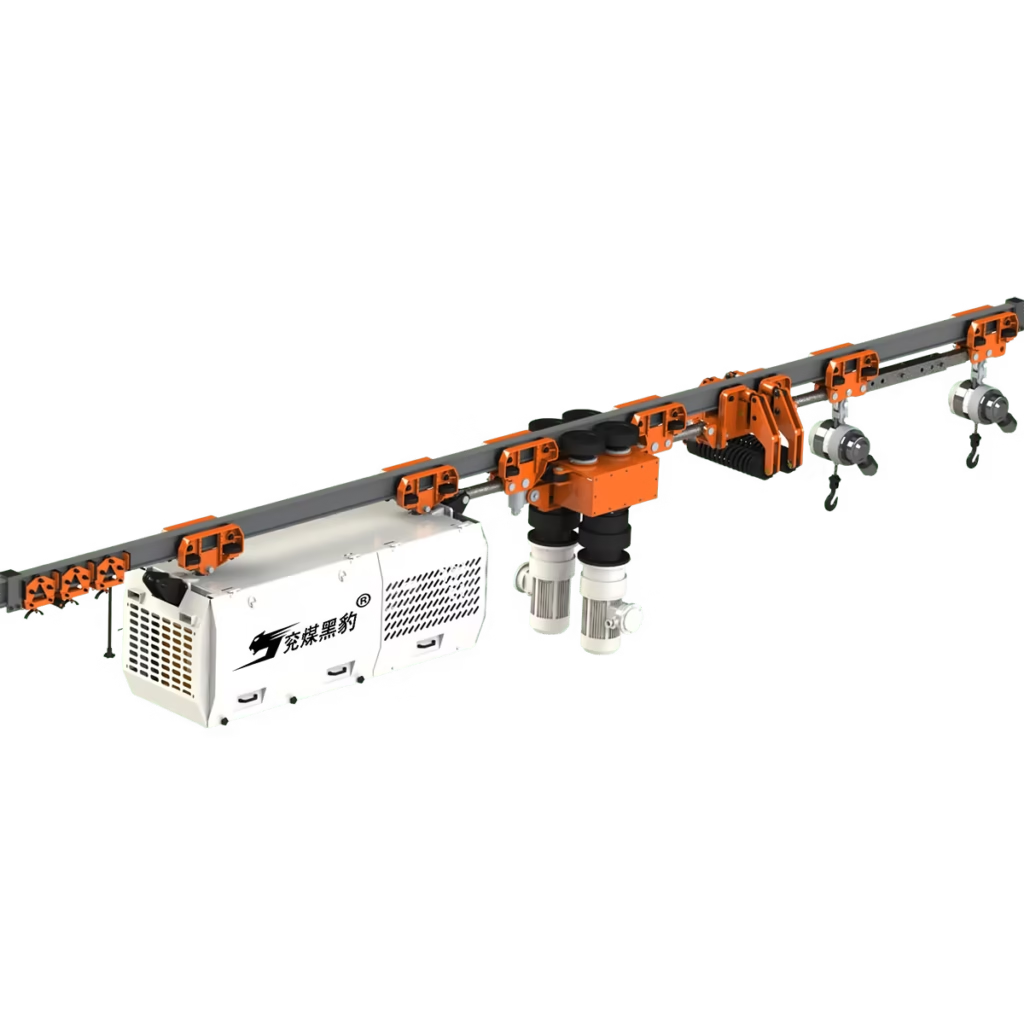
Before operating an underground mining vehicle, operators must conduct a thorough pre-shift inspection. This includes checking all critical systems such as brakes, steering, hydraulics, lights, safety alarms, and emergency equipment. Tires or tracks must be inspected for wear, damage, or improper inflation.
Documenting inspections is essential not only for safety compliance but also for tracking trends that may indicate recurring issues. For example, repeated minor brake issues in several vehicles may signal a need for a fleet-wide adjustment or component upgrade. Pre-shift inspections also serve as an opportunity to verify that safety devices, including fire extinguishers and first-aid kits, are present and functional.
Routine Maintenance Schedules
Routine maintenance schedules are crucial for safe operation. In 2026, predictive maintenance technologies allow mining companies to track vehicle performance in real-time. Sensors embedded in engines, hydraulics, and electrical systems alert operators and maintenance teams to potential failures before they occur.
Following manufacturer-recommended maintenance intervals, typically every 250–500 operational hours depending on usage, prevents unexpected breakdowns. Ignoring maintenance schedules is one of the leading causes of underground mining vehicle accidents, as worn components such as brakes, tires, or hydraulic lines can fail under stress.
Expert Recommendations
John Reynolds, a mining safety consultant with over 15 years of experience, emphasizes:
“Underground mining vehicles fail most often due to deferred maintenance or overlooked pre-shift checks. Strict adherence to inspection protocols reduces incidents by up to 30% and extends the lifespan of the fleet.”
Many modern mines are implementing digital maintenance logs and automated reminder systems, ensuring that maintenance tasks are not missed even during high production periods. This not only enhances safety but also improves operational efficiency and reduces long-term costs.
Safe Operation Practices
Speed Control and Tunnel Awareness
Maintaining safe speed limits is critical in confined underground spaces. Operators must adapt speed based on tunnel width, visibility, incline, and surface conditions. Sharp turns, uneven floors, wet or icy areas, and intersections require slower, more controlled operation.
A survey of underground mining operations in Canada revealed that excessive speed was a contributing factor in 42% of vehicle incidents, highlighting the importance of strict speed control policies and continuous operator training. Modern underground mining vehicles often include speed governors and automatic braking systems to prevent overspeeding in high-risk zones.
Load Management
Overloading underground mining vehicles compromises stability and increases the risk of tip-overs or collisions. Operators should adhere to rated load capacities and distribute weight evenly across the vehicle platform. Uneven loads can cause hydraulic strain and accelerate wear on suspension components.
In practice, mines implement load monitoring systems that track weight in real-time and alert operators when limits are approached. For example, a European copper mine reported that integrating load sensors reduced overloading incidents by 60% in the first year.
Communication and Signaling
Effective communication among operators, supervisors, and support staff is essential to prevent accidents. Standardized hand signals, two-way radios, vehicle-mounted audible alarms, and flashing lights ensure coordinated movements even in low-visibility conditions.
In larger mining operations, command centers monitor vehicle movements through telemetry and GPS systems, directing operators safely through tunnels and avoiding congestion points. Incorporating real-time location tracking also allows rapid emergency response if an incident occurs.
Operator Ergonomics and Fatigue Management
Operator fatigue is an often-overlooked factor in underground mining vehicle safety. Ergonomic vehicle design, including adjustable seats, vibration dampening, and climate control, reduces fatigue and improves focus during long shifts.
Mines increasingly adopt rotation schedules and mandatory rest periods to reduce the risk of fatigue-related accidents. Research from the Mining Safety Institute indicates that fatigue contributes to 20–25% of underground vehicle incidents annually, making ergonomic and operational management a key safety consideration.
Table: Underground Mining Vehicle Safety Features Comparison
| Vehicle Type | Max Load Capacity | Key Safety Features | Ideal Tunnel Size | Monitoring Systems | Recommended Usage |
|---|---|---|---|---|---|
| Battery-Electric Loader | 5 tons | LED lighting, collision sensors, emergency brakes | Medium | Real-time monitoring, proximity alert | Ore transport, material handling |
| Diesel Personnel Carrier | 3 tons | High-visibility cab, rollover protection | Large | Backup cameras, audible alarms | Staff transport |
| Hybrid Underground Truck | 10 tons | Stabilizers, reinforced chassis, anti-tip systems | Wide | GPS tracking, vibration sensors | Ore hauling, drilling support |
| Compact Battery Driller | 2 tons | Low-emission engine, automatic shutdown | Narrow | Load sensors, thermal monitoring | Drilling and sampling |
| Articulated Mining Vehicle | 7 tons | Articulated steering, rollover protection | Medium | Proximity sensors, remote monitoring | Mixed transport and utility |
This table highlights the importance of matching vehicle type with safety features, tunnel size, and operational tasks. Using a vehicle with proper monitoring and protection systems ensures a safer underground environment.
Advanced Safety Technologies in 2026
Automation and Remote Operation
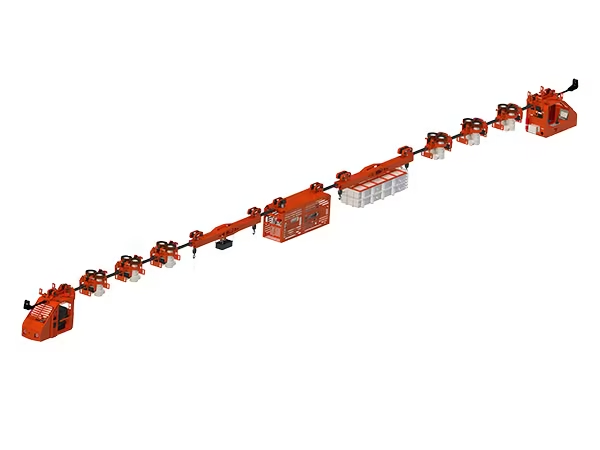
In 2026, automation and remote operation have become increasingly standard in underground mining vehicles. Autonomous or semi-autonomous vehicles are being deployed in tunnels, shafts, and mining drifts to perform repetitive or high-risk tasks such as ore transport, drilling support, and waste material removal. By reducing the need for direct human operation in hazardous areas, mining companies significantly improve safety while maintaining high productivity.
Remote operation systems allow operators to control underground mining vehicles from centralized command centers, often located above ground. These systems leverage high-speed data transmission, AI-assisted navigation, and real-time telemetry to ensure precise vehicle movements, even in complex or low-visibility conditions. Operators can monitor multiple vehicles simultaneously, optimizing workflow while minimizing risks associated with confined spaces, falling rock hazards, or gas accumulation.
Recent industry trials show that mines using remote operation for ore haulage reported a 40–50% reduction in minor collision incidents and a 25% decrease in vehicle-related injuries. Moreover, remote operation reduces the physical strain on operators, allowing longer shifts without fatigue-related risks.
Battery-electric underground mining vehicles further enhance automation capabilities by integrating with energy management systems. Automated charging schedules, regenerative braking, and predictive maintenance algorithms ensure that vehicles operate efficiently while minimizing downtime.
Collision Avoidance Systems
Advanced collision avoidance technology is now a standard requirement for modern underground mining vehicles. These systems combine LIDAR, radar, ultrasonic sensors, and computer vision to detect obstacles, other vehicles, and personnel in real time.
Collision avoidance systems can issue visual and audible alerts or automatically slow or stop the vehicle if a potential collision is detected. This is particularly useful in congested tunnels, blind intersections, or during nighttime operations.
A study by the International Council on Mining Safety revealed that mines implementing automated collision avoidance experienced a 35–45% reduction in vehicle-to-vehicle and vehicle-to-infrastructure incidents. In addition, these systems can track moving objects over time, alerting operators to changes in tunnel traffic and helping supervisors optimize vehicle scheduling.
Integration with fleet management software allows operators to view real-time maps of underground vehicle positions, further reducing the likelihood of collisions. AI-assisted path planning can even calculate the safest and most efficient routes for multiple vehicles operating simultaneously.
Environmental Monitoring
Environmental safety remains critical in underground mining operations. In 2026, underground mining vehicles are increasingly equipped with integrated air quality sensors, gas detectors, temperature monitors, and vibration sensors.
These systems continuously monitor oxygen levels, detect combustible or toxic gases such as methane or carbon monoxide, and measure ambient temperature and humidity. Real-time alerts allow operators to respond immediately to hazardous conditions, evacuate personnel if needed, and adjust ventilation systems to maintain safe working environments.
For example, in a coal mine in Appalachia, the installation of underground mining vehicles with environmental monitoring reduced near-miss incidents related to gas exposure by 30% within the first year. Data collected by the sensors can also be stored and analyzed for trend detection, helping safety officers proactively address recurring risks.
Vibration monitoring helps identify tunnel instability or equipment wear. By tracking vibration levels of underground mining vehicles, maintenance teams can predict potential mechanical failures before they become safety hazards.
Training and Compliance
Operator Certification
Operators of underground mining vehicles must undergo comprehensive certification programs before being allowed to operate machinery independently. Certification typically includes practical driving tests under realistic tunnel conditions, emergency response drills, equipment troubleshooting, and mastery of safety protocols.
Some mines now implement simulation-based training using VR technology. Virtual reality allows operators to practice navigating underground mining vehicles in complex tunnel layouts without any physical risk. According to research conducted by the Mining Safety Institute, VR-trained operators showed a 20% faster learning curve and 30% fewer operational errors during initial real-world shifts compared to traditional training methods.
Regulatory Standards
Compliance with local and international mining safety regulations is mandatory. Agencies such as the MSHA (Mine Safety and Health Administration) in the United States, the ISO 45001 occupational health and safety standard, and regional mining safety authorities provide comprehensive guidelines covering:
- Vehicle operation and safety features
- Inspection and maintenance schedules
- Emergency preparedness and evacuation protocols
- Reporting and documentation of incidents
Meeting these regulatory standards ensures that underground mining vehicles operate safely, reduces legal liability, and aligns operations with best practices for worker safety.
Continuous Learning
With the rapid evolution of technology, continuous operator training is essential. Underground mining vehicles now incorporate AI navigation, automated control systems, and advanced collision avoidance technology, all of which require operators to update their skills regularly.
Mining companies are increasingly investing in ongoing education programs that combine classroom instruction, hands-on practice, and virtual simulations. Refresher courses every 6–12 months ensure that operators remain proficient in both conventional operation and emerging technologies.
A case study from a European copper mine showed that operators who participated in continuous training programs reduced vehicle-related incidents by 25% and maintenance-related downtime by 15% over a two-year period. These programs also improve operator confidence and efficiency, enhancing both safety and productivity underground.
Safety Culture Integration
Finally, the effectiveness of advanced safety technologies depends on integrating them into the overall safety culture of the mining operation. Supervisors must encourage consistent use of monitoring systems, proper reporting of hazards, and adherence to speed limits and load capacities. Teams trained to recognize early warning signs, communicate effectively, and respond to emergencies ensure that technological tools achieve their full potential in preventing accidents.
Conclusion
Safe operation of underground mining vehicles in 2026 requires a holistic approach, combining proper vehicle selection, rigorous maintenance, advanced safety technologies, and trained operators. By integrating these strategies, mining companies can reduce accidents, improve productivity, and ensure long-term operational sustainability. The continuous evolution of safety standards and vehicle technology highlights the importance of proactive safety management in underground mining environments.
FAQ
Q1: What is the typical load capacity of an underground mining vehicle?
A1: Depending on the type, underground mining vehicles can carry between 2 and 10 tons, with specialized loaders and trucks handling heavier loads.
Q2: Are electric underground mining vehicles safer than diesel ones?
A2: Electric vehicles reduce emissions, heat, and noise, improving underground air quality and operator comfort, which indirectly enhances safety.
Q3: How often should inspections be conducted?
A3: Pre-shift inspections are mandatory daily, and full maintenance checks should follow manufacturer-recommended intervals, typically every 250–500 operational hours.
Q4: Can automation completely replace human operators?
A4: While automation reduces risk, human supervision remains critical for decision-making in complex underground environments.
Q5: What are the newest safety technologies for 2026?
A5: Technologies include remote operation, LIDAR collision avoidance, environmental monitoring sensors, AI-based navigation, and real-time performance tracking.

Welcome to Shandong Yanmei Heibao Mining Equipment Co., Ltd.! Since 2002, we’ve been redefining mining with intelligent equipment, delivering safer, more efficient, and sustainable solutions.
📌 Follow us for updates and insights:
- Facebook: Shandong Yanmei Heibao
- YouTube: Shandong Yanmei Heibao Channel
Join us to explore innovation and excellence in mining—together!