

Table of Contents
- Faster excavation and project completion
- Lower overall costs with advanced technology
- Enhanced worker safety and protection
- Reduced environmental impact and noise
- Greater adaptability to complex conditions
- Smart, sustainable mining solutions
You see the difference when you use a Tunnel Boring Machine. It works faster, saves you money, and keeps your team safer than traditional tunneling equipment. You also create less noise and pollution, which helps protect the environment. The industry now moves toward intelligent, green mining solutions. Many companies use automation and renewable energy to meet strict standards and boost efficiency.
| Metric | Tunnel Boring Machines (TBMs) | Traditional Tunneling Equipment |
|---|---|---|
| Average Speed | 1 mile per week | Slower than TBMs |
| Cost | Up to 90% reduction | Billions for a few miles |
| Safety | Exceeds current standards | Varies, often less rigorous |
| Environmental Impact | Zero emissions, reduced noise | Significant pollution and noise |
Key Takeaways
- Tunnel Boring Machines (TBMs) excavate tunnels faster than traditional methods, completing projects in less time and reducing disruption to the surface.
- Using TBMs can significantly lower overall project costs, with potential savings of up to 90% compared to traditional tunneling equipment.
- TBMs enhance worker safety with advanced features that minimize exposure to hazards, such as automated systems and real-time monitoring.
- These machines have a lower environmental impact, producing zero emissions and reducing noise, making them ideal for urban projects.
- Modern tunneling technology, including TBMs, supports sustainable practices and improves efficiency, paving the way for smarter construction solutions.
Tunneling Methods Overview
Tunnel Boring Machine Basics
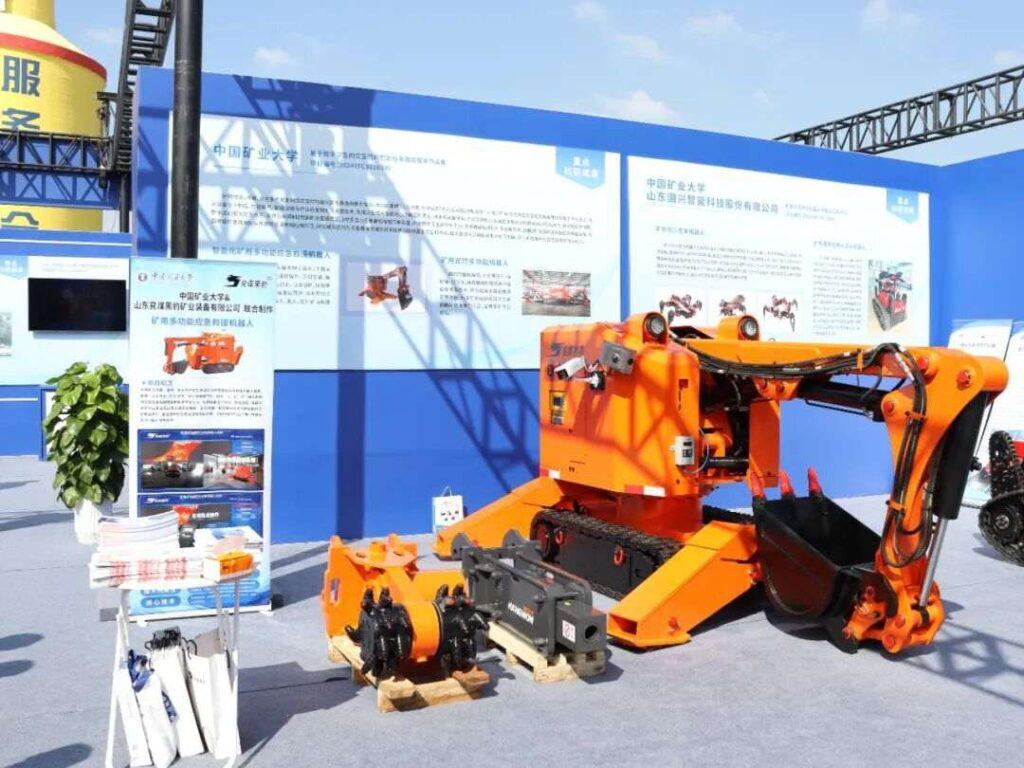
You use a Tunnel Boring Machine when you need to excavate long tunnels quickly and safely. This machine works by rotating a cutter head that breaks rock and soil. The shield keeps the tunnel stable while the conveyor system removes debris. The support system installs tunnel lining right after excavation, which prevents collapses and keeps your team safe.
Tip: Tunnel Boring Machines operate continuously, which means you can finish projects faster and with less disruption to the surface.
| Component | Description |
|---|---|
| Cutter Head | Rotates and breaks rock, directs debris to conveyor system. |
| Shield | Provides stability and protects against collapses. |
| Conveyor System | Moves excavated material out of the tunnel efficiently. |
| Support System | Installs tunnel lining to maintain safety and structure. |
Traditional Equipment Basics
You often see traditional tunneling equipment in projects that use drill and blast rigs, raise borers, or roadheaders. These machines work well for shorter tunnels or when you need to adapt to different ground conditions. Drill and blast rigs use explosives to break rock, while roadheaders cut through softer ground. Raise borers create vertical shafts, and microtunneling machines install utilities in cities.
| Equipment Type | Typical Applications |
|---|---|
| Drill and Blast Rigs | Road and railway tunnels in hard rock |
| Raise Borers | Vertical shaft drilling in mining |
| Microtunneling Machines | Underground utilities in urban areas |
| Roadheaders | Soft ground tunneling for roadways |
Key Differences
You notice several key differences between a Tunnel Boring Machine and traditional equipment. The Tunnel Boring Machine uses a rotating cutter head for continuous excavation, while traditional methods rely on drilling and blasting cycles. TBMs offer higher speed and efficiency, which reduces project time. You also get a safer work environment with less risk from blasting. TBMs cause minimal surface disruption, making them ideal for urban projects. Traditional equipment may cost less at first, but TBMs save money on long tunnels due to faster completion and fewer delays.
| Aspect | Tunnel Boring Machine | Traditional Drill and Blast |
|---|---|---|
| Operational Principle | Rotating cutter head bores through rock | Drilling holes and blasting rock |
| Speed and Efficiency | High-speed, continuous excavation | Slower, cyclic process |
| Safety | Safer for workers inside the machine | Higher risk from blasting |
| Surface Disruption | Minimal, suitable for cities | More disruption due to blasting |
| Cost-Effectiveness | Efficient for long tunnels | Better for short tunnels |
- Conventional tunneling uses cyclic excavation and adapts to many shapes.
- Mechanized tunneling, like TBMs, grows more popular for large projects.
- American Method relies on ground strength and works for different tunnel sizes.
You can choose the best method by considering your project’s length, location, and safety needs.
Tunnel Boring Machine Speed
Excavation Speed
You want your tunneling project to move quickly. The Tunnel Boring Machine gives you a clear advantage in excavation speed. When you use this equipment, you can achieve much higher daily progress compared to traditional methods. The following table shows how different tunneling methods compare in average speed:
| Tunneling Method | Average Speed (meters per day) |
|---|---|
| Tunnel Boring Machines | 100 (rock) / 28.5 (soil) |
| Shield Tunneling | 1.7 to 3.3 |
| Cut-and-Cover | 1 to 2 |
You see that the Tunnel Boring Machine can excavate up to 100 meters per day in rock. Traditional methods like cut-and-cover or shield tunneling move much slower. This speed means you finish projects faster and reduce the time your team spends underground.
Note: Faster excavation also means less disruption to the surrounding area and a quicker return to normal surface activities.
Operation Mode
You benefit from the continuous operation mode of the Tunnel Boring Machine. This machine works around the clock, using automated systems to keep excavation moving. Traditional equipment relies on manual processes, which often require frequent stops for blasting, clearing debris, or maintenance.
Here is a comparison of operation modes:
| Aspect | Tunnel Boring Machines (TBMs) | Traditional Equipment |
|---|---|---|
| Operation Mode | Continuous operation | Manual processes |
| Surface Disruption | Minimal | Significant |
| Maintenance Downtime | Low | High |
| Ground Condition Handling | Versatile | Limited |
| Advance Rate | High | Variable |
You can see that the Tunnel Boring Machine offers low downtime and high advance rates. You also get less surface disruption, which is important for urban projects. To keep the machine running smoothly, you use grout mixing and pumping equipment. Ground improvement techniques, such as grouting and soil stabilization, help maintain stable working conditions. Managing cutter tools well prevents unexpected downtime and keeps your project on track.
Project Timeline
You want to complete your project on schedule or even ahead of time. The Tunnel Boring Machine helps you achieve this goal. Advanced technologies in these machines lead to faster excavation and less downtime. You can finish projects in a fraction of the time compared to traditional methods.
- Plasma tunnel-boring technology accelerates excavation, especially in hard rock.
- Micro TBMs work well in urban areas, reducing project durations through mechanized processes.
- Notable urban projects have shown significant time savings with these machines.
- Less downtime means you complete the tunnel faster and move on to the next phase.
When you choose a Tunnel Boring Machine, you invest in speed, efficiency, and reliable project delivery. You give your team the tools to meet tight deadlines and handle complex tunneling challenges.
Cost Comparison
Equipment and Setup
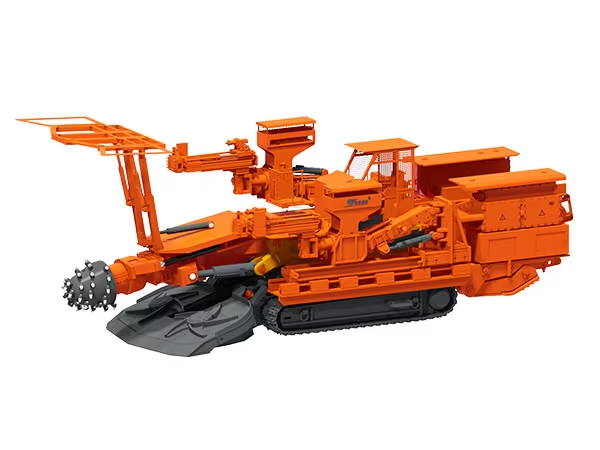
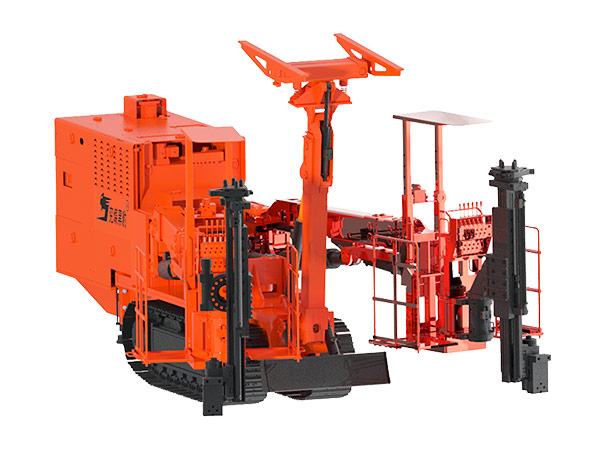
You face several cost components when you start a tunneling project. The initial capital investment for advanced machinery can be high. You pay for transportation and assembly, which may reach millions of dollars. Operation costs include energy, consumables, and labor. Maintenance costs cover regular upkeep and repairs. Staffing costs reflect the need for specialized crews and technical support. Ancillary equipment ensures efficiency and safety throughout the project.
| Cost Component | Description |
|---|---|
| Initial Capital Investment | Upfront cost for acquiring machinery, which varies by size, type, and technology. |
| Transportation & Assembly | Expenses for moving and assembling equipment, often significant for large machines. |
| Operation Costs | Recurring expenses such as energy, consumables, and labor. |
| Maintenance Costs | Regular maintenance and repairs, which can drive up costs if breakdowns occur. |
| Staffing Costs | Ongoing labor costs for skilled crews and technical support. |
| Ancillary Equipment | Additional systems and equipment needed for efficient and safe operation. |
Labor and Operation
You notice that labor and operational costs differ between modern machinery and traditional methods. Advanced machines require fewer workers, which can lower overall expenses. Traditional tunneling often needs more labor and takes longer to complete. Labor costs may reach 40-50% of the total project cost in the United States, with rates in cities like New York climbing to $110 per hour. Modern machines account for only 18-20% of the total cost, so labor and materials become the main expenses. High labor costs result from skilled workers, union rules, and market demand.
- Modern machines reduce labor requirements and boost efficiency.
- Traditional methods incur higher labor costs and longer project durations.
- Labor costs can make up nearly half of the total project cost.
- Machinery accounts for a smaller portion of the total cost compared to labor and materials.
Tip: You can save money by choosing equipment that streamlines operations and reduces the need for manual labor.
Long-Term Value
You want to maximize value over the life of your project. Modern tunneling equipment offers significant long-term savings. The cost per mile for traditional methods ranges from $100 million to $1 billion, while advanced machines can lower this to $10 million per mile. You also benefit from electric-powered machines, which reduce environmental impact. Some systems repurpose excavated earth into bricks, adding further value.
| Aspect | Traditional Tunneling Costs | Advanced Machinery Costs |
|---|---|---|
| Cost per mile | $100 million to $1 billion | $10 million |
| Tunnel Diameter | 28 feet | 12 feet |
| Environmental Impact | Diesel-powered | Electric-powered |
| Material Repurposing | None | Excavated earth into bricks |
You see that investing in advanced tunneling equipment can lead to lower costs, faster completion, and greater sustainability. These factors help you make informed choices for your next project.
Safety Factors
TBM Safety Features
You want to keep your team safe during tunneling projects. Modern tunnel boring machines include advanced safety features that protect workers from many hazards. These machines use improved designs to reduce your exposure to dangerous conditions. Fire-resistant linings help contain flames and keep air moving, which prevents smoke from building up. Automated systems stabilize the ground and prevent collapses. Ventilation systems lower silica dust and improve air quality. You also benefit from noise and vibration protection, such as helmets with active noise cancellation and gloves that dampen vibration. Real-time monitoring uses sensors to track air quality and gas levels, giving you early warnings if something goes wrong.
| Safety Feature | Description |
|---|---|
| Improved TBMs | Enhance excavation efficiency and protect workers by minimizing exposure to hazardous conditions. |
| Fire-resistant linings | Contain flames and ensure proper airflow to prevent smoke accumulation. |
| Automated systems | Stabilize unpredictable terrain, ensuring structural integrity and preventing collapse. |
| Ventilation systems | Reduce silica dust concentrations and improve air quality, significantly lowering health risks. |
| Noise and vibration protection | Use active noise cancellation helmets and vibration-dampened gloves to reduce exposure. |
| Real-time monitoring | Sensors track air quality and gas levels, providing early warnings for hazardous conditions. |
Traditional Risks
You face several risks when you use traditional tunneling equipment. These risks can put your team in danger and slow down your project. The most common safety risks include:
- Groundfalls and cave-ins from unstable ground or construction mistakes.
- Dangerous gases like methane and carbon monoxide can build up without proper ventilation.
- Fires can start in confined spaces, so you need strict fire safety rules.
- Heavy machinery accidents, such as being struck or caught, are a constant concern.
Worker Protection
You want to make sure every worker goes home safe. Modern tunneling methods give you better protection than older techniques. You get safer working conditions with advanced machines that shield you from dust, noise, and vibration. Automated systems and real-time monitoring help you spot problems before they become emergencies. Good ventilation and fire-resistant materials lower the risk of injury. When you choose advanced tunneling solutions, you invest in your team’s safety and well-being.
Environmental Impact
Noise and Emissions
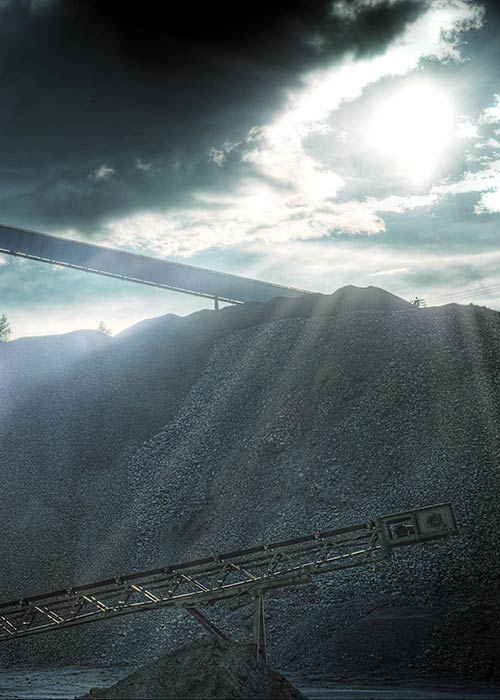
You want to reduce noise and harmful emissions on your tunneling site. Modern machines use energy-efficient drives and advanced noise control systems. These features keep the work environment quieter and cleaner. Traditional tunneling methods, such as drill and blast, create high noise levels and release more dust and exhaust. You can see the difference when you work near urban areas or sensitive environments. Lower noise and fewer emissions help you meet strict environmental standards and protect nearby communities.
Tip: Choosing equipment with electric or zero-emission options can make your project even more sustainable.
Site Impact
You need to think about how your tunneling project affects the surrounding area. A Tunnel Boring Machine creates less surface disruption because it works underground and removes material continuously. This means you avoid large open trenches and reduce the risk of ground settlement. Traditional methods often require more surface access and create more waste. You may see more vibration, dust, and changes to the landscape with older equipment. By using advanced machines, you keep the site cleaner and safer for workers and the public.
Green Mining Practices
You can support green mining practices by using intelligent tunneling solutions. These machines offer dust suppression, energy efficiency, and precise tunnel dimensions. You also reduce material waste and improve safety for your team. The table below shows how green mining practices compare between modern and traditional methods:
| Green Mining Practices Enabled by TBMs | Traditional Methods |
|---|---|
| Dust suppression | High dust generation |
| Energy-efficient drives | Less energy-efficient |
| Noise control | High noise levels |
| Continuous excavation | Intermittent drilling |
| Enhanced safety | Higher risk |
| Precise tunnel dimensions | Variable dimensions |
| Reduced material waste | More material waste |
You can also use intelligent modules and zero-emission vehicles for auxiliary transport. These solutions help you lower your carbon footprint and support sustainable development in mining. By choosing advanced technology, you lead the way in responsible and green tunneling.
Adaptability and Technology
Ground Conditions
You face many types of ground when you start a tunneling project. Some tunnels pass through hard rock, while others go through soft soil or mixed layers. Modern machines use advanced cutting tools that adapt to different materials. High-resolution mapping systems, such as ground-penetrating radar and seismic imaging, help you understand the geology before you dig. Real-time data collection lets you adjust operations quickly, keeping your project safe and efficient. You can handle groundwater and shifting layers with less risk, thanks to automated systems and robotics.
Tip: Real-time monitoring helps you predict geological shifts and avoid unexpected delays.
Tunnel Design Flexibility
You need flexibility in tunnel design to meet project goals. Machines today offer high adaptability to geology and require minimal manual adjustments. You see reduced project timelines and lower safety risks. Handling groundwater becomes easier with effective systems. The table below compares design flexibility between modern machines and traditional methods:
| Feature | Tunnel Boring Machines (TBMs) | Traditional Methods |
|---|---|---|
| Adaptability to geology | High | Low |
| Manual adjustments required | Minimal | Significant |
| Project timeline impact | Reduced | Extended |
| Safety risks | Lower | Higher |
| Handling groundwater | Effective | Challenging |
You benefit from precise tunnel dimensions and continuous progress, even in complex environments.
Intelligent Mining Solutions
You can boost performance with intelligent mining solutions. AI algorithms optimize cutting and predict equipment failure, reducing downtime. Artificial neural networks and other smart systems help you predict geological issues and adjust machine parameters. Real-time analytics detect anomalies early, lowering the risk of tunnel collapse. Robotics take over dangerous tasks, improving safety for your team. Automated decision-making reduces manual interventions in hazardous areas. Robotic simulations allow you to test scenarios before you dig, which helps prevent errors.
- AI and predictive maintenance lower energy use and material waste.
- FANUC ROBOGUIDE software improves logistics and material handling.
- Automated systems keep your project moving smoothly and safely.
You see how technology makes tunneling safer, faster, and more adaptable to changing conditions.
Project Suitability
Urban Projects
You often face unique challenges when working in cities. High-traffic areas, sensitive buildings, and underground utilities require careful planning. Modern machines help you minimize ground movement and protect city infrastructure. For example, advanced cutter-head designs adapt to mixed soils and obstructions. These features keep ground settlement low, which is important for safety. In one project, engineers kept subsidence at just 13.1 mm—well below the 30 mm limit. You also benefit from improved cutting efficiency and better control over soil mixing. These advantages make modern tunneling equipment a top choice for urban projects.
| Factor | Description |
|---|---|
| Ground Conditions | Minimizes settlement in shallow-buried city tunnels. |
| Machine Design | Adapts to mixed soils and urban obstructions. |
| Excavation Efficiency | Planetary transmission boosts cutting and reduces unexcavated areas. |
| Settlement Control | Achieves minimal subsidence, protecting surface structures. |
| Operational Complexity | Handles complex city layouts with advanced features. |
Note: You can keep city life moving smoothly by choosing equipment that controls settlement and noise.
Rural and Remote Sites
You may need to build tunnels in areas far from cities. In these locations, speed and safety matter most. Modern machines let you finish projects faster and with fewer workers. You get higher progress rates, especially in good rock. Smoother tunnel walls mean you spend less on lining and repairs. You also need less ventilation, which helps keep workers healthy. Traditional methods, like drilling and blasting, can slow down in tough ground and raise costs. Modern equipment helps you avoid these problems and stay on schedule.
- Achieve steady progress in hard rock.
- Lower ventilation needs improve worker health.
- Smoother walls reduce final lining costs.
Challenging Environments
You sometimes face extreme or complex conditions underground. These might include changing rock types, high water pressure, or unexpected obstacles. You can handle these challenges by using the right technology and planning ahead. Start with a thorough study of the ground. Use dewatering to control water levels. Choose cutting heads designed for hard rock or cobbles. Regular checks and spare parts keep your machine running. Eco-friendly practices help you protect the environment.
| Challenge | Solution |
|---|---|
| Geological variability | Study soil profiles before starting. |
| Groundwater pressure | Use dewatering and pressure control. |
| Hard rock and obstructions | Select specialized cutting heads or pre-drill tough sections. |
| Equipment maintenance | Inspect often and keep spare parts ready. |
| Environmental impact | Follow green practices and assess risks. |
Tip: Careful planning and the right equipment help you succeed, even in the toughest conditions.
Comparison Table
You want to see how a Tunnel Boring Machine compares to traditional tunneling equipment. The table below highlights the most important metrics. You can use this information to choose the best method for your project.
| Metric | Tunnel Boring Machines (TBMs) | Traditional Tunneling Methods |
|---|---|---|
| Advance Rates | High, but ground conditions may slow progress | Lower, but progress is often predictable |
| Adaptability to Geological Conditions | Handles many types, but less flexible in extreme cases | Adapts well to changing ground |
| Cost-Effectiveness | High initial investment, saves money long-term | Lower upfront cost, higher ongoing expenses |
| Safety | Advanced safety features protect workers | Safety protocols in place, but blasting risks |
| Operational Flexibility | Works best in stable environments | Adjusts easily to new challenges |
Tunnel Boring Machine Advance Rates
You get faster progress with a Tunnel Boring Machine. The machine can excavate long tunnels quickly. You may face delays if the ground is very hard or unstable, but overall speed remains high.
Adaptability to Geological Conditions
You need equipment that can handle different ground types. Tunnel Boring Machines work well in most conditions. In very tough geology, traditional methods may offer more flexibility.
Cost-Effectiveness
You invest more at the start with a Tunnel Boring Machine. Over time, you save money because the machine works faster and needs less labor. Traditional methods cost less at first, but you may pay more for labor and materials as the project continues.
Tip: Consider long-term savings when you choose your tunneling method.
Safety
You protect your team with advanced safety features in Tunnel Boring Machines. Automated systems and strong shields keep workers safe. Traditional methods use safety protocols, but blasting and manual labor increase risks.
Operational Flexibility
You want equipment that can adjust to new challenges. Tunnel Boring Machines work best in stable environments. Traditional methods let you change techniques quickly if you face unexpected problems.
- Use this table to compare your options.
- Think about your project’s ground conditions, budget, and safety needs.
- Choose the method that fits your goals.
You gain clear benefits when you choose advanced tunneling solutions. Projects finish faster, cost less, and keep your team safer. Intelligent systems, like AI and video surveillance, help you spot problems early and reduce risks. Sustainable practices protect the environment and lower maintenance costs. The table below highlights why modern tunneling methods lead the industry:
| Advantage | Modern Solutions | Traditional Methods |
|---|---|---|
| Efficiency | High | Moderate |
| Safety | Improved | Higher risk |
| Sustainability | Strong | Limited |
You can expect even more progress as smart technology shapes the future of underground construction.
FAQ
What is a Tunnel Boring Machine?
A Tunnel Boring Machine is a large, advanced machine that digs tunnels through rock or soil. You use it for projects that need speed, safety, and minimal surface disruption. It works continuously and installs tunnel support as it moves.
How does a Tunnel Boring Machine compare to traditional tunneling equipment?
You get faster excavation, better safety, and less noise with a Tunnel Boring Machine. Traditional equipment, like drill and blast, takes longer and creates more dust. TBMs also reduce surface impact and help you meet strict environmental standards.
When should you choose a Tunnel Boring Machine for your project?
You should use a Tunnel Boring Machine for long tunnels, urban projects, or when you need high safety and low disruption. It works best in stable ground and when you want to finish the job quickly and efficiently.
Are Tunnel Boring Machines environmentally friendly?
Yes, you can choose electric or zero-emission Tunnel Boring Machines. These machines lower noise, dust, and pollution. They support green mining practices and help you protect the environment during construction.